Rehabilitation for Functional Neurological Disorder

Introduction

At Home Rehab Therapists, we understand the complexities of living with Functional Neurological Disorder (FND). Our specialist multidisciplinary team delivers tailored rehabilitation in the community, helping individuals regain confidence, manage symptoms and improve quality of life.

Rehabilitation For Functional Neurological Disorder 01

What is FND?

FND is a condition where individuals experience neurological symptoms including movement disorders, sensory disturbances, seizures or weakness that do not stem from identifiable structural damage in the nervous system. These symptoms are very real and can be life-changing, often affecting mobility, confidence, and daily functioning.

Common presentations include:

  • Non-epileptic seizures
  • Tremors or jerky movements
  • Muscle weakness
  • Gait and balance difficulties
  • Speech, swallowing or vision changes
  • Sensory loss, numbness, or altered sensations

Our Approach

We take a person-centred, evidence-informed approach to FND. Our aim is to support you in building management strategies, restoring function, and regaining independence in meaningful activities.

This will include:

  • Comprehensive multidisciplinary assessment
  • Goal setting involving you, your family/carers, and other health professionals
  • Rehabilitation plan combining therapy, education, and self-management strategies
  • Regular multidisciplinary sessions with ongoing reviews

What We Offer

Our multidisciplinary team works together to deliver a coordinated and comprehensive rehabilitation service, including:

  • Physiotherapy – to support movement, coordination, balance and mobility through graded, functional activity
  • Occupational Therapy – to promote independence, manage fatigue, and find practical solutions for daily life and meaningful activities.
  • Psychological support – to develop coping strategies, build resilience, and promote self-management.

Rehabilitation For Functional Neurological Disorder 02

Why Choose Home Rehab Therapists?

  • Specialised multidisciplinary expertise in FND-informed rehabilitation
  • Flexible community-based support, we come to you, wherever you are.
  • We focus on what matters to you
  • We recognise that management of FND can be ongoing, and we are here to support your journey.

If you’re living with FND and would like to find out how we can support you, please get in touch.

Neurologic Music Therapy

NMT

Music Therapy is an established psychological clinical intervention, delivered by HCPC registered Music Therapists to help people whose lives have been affected by injury, illness or disability through supporting their psychological, emotional, cognitive, physical, communicative and social needs.

Neurologic Music Therapy (NMT) is an evidence-based, neuroscientific model of practice based on 20 standardised clinical techniques for sensorimotor training, speech & language training, and cognitive training. Each technique has its own target population, research-base, and clinical protocols. NMT is driven by advances in neuroscience and the understanding of the perception, production, and performance of music and how music can influence and change non-musical brain and behaviour function.

Neurologic Music Therapy uses music to work on non-musical goals, in other words, music is just the tool that we use to support patients in a range of clinical goals, including increasing arousal and/or awareness, improving attention and working memory, increasing physical strength, improving ability to follow verbal instructions and make choices, among many others.

Sessions are personalised to each individual’s needs, and adapted as the therapy progresses. Music helps re-frame rehabilitation, to take what may be repetitive and make it interesting, to take the focus off something that may be painful. Neurologic Music Therapy (NMT) makes rehabilitation engaging, personalised and relevant.

Contact Us Today to discuss how we can help your rehabilitation journey with Neurologic Music Therapy.

Neurological Courses: Neurorehabilitation Training in the UK

ai generated, neurons, brain

Introduction

Home Rehab Therapists is a leading at home healthcare provider specialising in complex neurological conditions across the UK. Our MDT consists of highly experienced clinicians including physiotherapists, occupational therapists, speech and language therapists, psychologists, specialist nurses and dietitians. We care for patients in their own homes.

Neurorehabilitation is a specialised field that focuses on the recovery and improvement of function in patients with neurological conditions. It involves understanding the brain, spinal cord, central nervous system, and the entire nervous system to provide comprehensive care.

Neurorehabilitation is applicable to a wide array of neurological conditions, including stroke, traumatic brain injury, multiple sclerosis, Parkinson’s disease, and Alzheimer’s disease. This field is essential for helping patients regain their independence and improve their quality of life.

Caring for patients with neurological conditions is complex and requires neurological training for healthcare professionals and Healthcare Assistants (HCAs). To meet this need we offer bespoke neurological training for HCAs and clinicians supporting complex neuro patients.

What is Neurorehabilitation?

ai generated, neurons, brain

Neurorehabilitation is a specialised field dedicated to aiding patients in their recovery from neurological disorders or injuries that impact the brain, spinal cord, and nervous system. The primary aim of neurorehabilitation is to enhance the patient’s quality of life by improving their physical, cognitive, and emotional functions. This comprehensive approach involves a multidisciplinary team of healthcare professionals, including neurologists, physical therapists, occupational therapists, speech therapists, and specialist nurses.

Neurorehabilitation is applicable to a wide array of neurological conditions such as stroke, traumatic brain injury, spinal cord injury, multiple sclerosis, Parkinson’s disease, and Alzheimer’s disease. The rehabilitation process begins with a thorough assessment of the patient’s needs, followed by the creation of a personalised treatment plan. This plan may encompass physical therapy to restore movement, occupational therapy to promote independence in daily activities, speech therapy to address communication challenges, and medication management to control symptoms. Additionally, education and support for both the patient and their family are integral components of the rehabilitation process.

By providing patients with the necessary tools and support, neurorehabilitation teams play a crucial role in helping individuals achieve their full potential and improve their overall quality of life. This holistic approach ensures that all aspects of the patient’s well-being are addressed, leading to more effective and sustainable recovery outcomes.

Why Neurological Training is important

Caring for patients with neurological conditions is complex due to the complexity of the nervous system and the varied presentations of neurological impairment. Advanced neurological training programmes give healthcare professionals the comprehensive understanding, knowledge, and skills to deliver high quality, evidence based care.

Specialised neurological training supports neurorehabilitation professional development, so practitioners can keep up to date with the latest neuro care. This continuous learning is key to improving patient outcomes and ensuring neurorehabilitation for healthcare professionals is effective and patient focused.

Bespoke Neurological Training Programmes to suit you

Customised Training Packages

We know every client and situation is different. So we offer bespoke training programmes to meet specific needs. Our training can be 1-3 days, with flexibility on group size and experience level. This tailored approach means participants get the most relevant and effective learning, building on foundational training in internal medicine that supports specialised neurological training.

Delivered by MDT and Specialist Nurses

Our training is delivered by an MDT, reflecting the multidisciplinary nature of neurorehabilitation. The team includes physiotherapists, occupational therapists, speech and language therapists, psychologists, specialist nurses, dietitians, and neurological colleagues. This integrated approach means participants get the benefit of all the expertise and perspectives.

By learning from an MDT, participants get a full understanding of neuro care, including advanced physiotherapy techniques in neurorehabilitation, innovative occupational therapy strategies, and effective speech and language therapy approaches.

Who can attend our Neurological Training Courses

Our neurological training courses are for HCAs, clinicians, carers and support staff working with complex neurological conditions. HCAs support patients with their daily needs and specialised training helps them provide high quality care.

Clinicians such as physiotherapists, occupational therapists, nurses and speech and language therapists will benefit from neurorehabilitation training for complex conditions. The courses are also for carers who want neurological training for carers to improve their knowledge and skills in supporting loved ones.

Skills you will develop in our MDT Training Programmes

Our MDT training programmes are designed to develop a range of core skills for neurorehabilitation, with a particular focus on the brain and spinal cord.

In our programmes participants will learn the art of conducting a full neurological assessment that covers physical, cognitive, emotional dimensions, and the peripheral nervous system. We will teach you holistic assessment, how to recognise and interpret subtle signs and symptoms that may impact a patient’s overall wellbeing. By developing your clinical reasoning and becoming proficient with standardised assessment tools you will be able to make accurate diagnoses and tailor interventions to each patient’s individual needs.

Communication and Teamwork

Effective communication is key to good healthcare, especially in an MDT. Our training will help you communicate clearly and compassionately with colleagues and patients. We will teach you strategies to overcome communication barriers such as working with patients who have speech or cognitive impairments. You’ll also learn how to build strong team relationships so information flows and everyone is on the same page for patient care.

Patient Centred Care Planning

We advocate for patient centred care where care plans are developed with the patient and their family. Our programmes will teach you how to set realistic and meaningful goals that reflect the patient’s own aspirations and values. You’ll learn to create holistic care plans that bring together all the disciplines, not just the physical but also the psychological and social factors that impact on recovery. By measuring outcome you’ll be able to monitor progress and adjust interventions as needed to get the best possible outcome.

Rehabilitation Techniques and Interventions

Our training will give you in-depth knowledge of various rehabilitation techniques to improve patient outcomes.

You’ll learn practical skills in advanced physiotherapy techniques to improve movement and reduce spasticity, occupational therapy strategies to promote independence in daily activities, and cognitive rehabilitation techniques to help patients with memory, attention, and problem solving.

By understanding the human brain, you will gain insights into neurological disorders and how to address them effectively. Through practical learning and case studies, you’ll be able to apply these interventions in your practice.

Psychological Support in Care

Understanding and addressing the psychological impact of neurological conditions is a key part of whole care. We will teach you to recognise signs of depression, anxiety and other emotional challenges patients may face. You’ll learn how to incorporate psychological support into your care plans whether by using basic counselling techniques or working with mental health professionals. This will mean patients get support for their emotional wellbeing as well as their physical rehabilitation.

Complex Neurological Conditions including Multiple Sclerosis

Complex neurological conditions have multiple symptoms that need to be managed. Our programmes will teach you how to manage symptoms such as pain, fatigue, cognitive impairment, and those arising from infectious diseases. You’ll learn how to manage challenging behaviour and patient safety, so you can deliver compassionate and effective care. We will also cover medication management so you understand the effects and interactions of medications used in neuro care.

Assistive Technology and Adaptive Equipment

We will introduce you to a range of assistive technologies and adaptive equipment that can make a big difference to a patient’s independence and quality of life.

Training will include selecting the right devices, teaching patients and carers how to use them and how to integrate technology into care plans. By staying up to date with the latest technology you’ll be able to offer your patients the latest solutions to meet their changing needs.

Family and Carer Involvement

We recognise the important role families and carers play in the rehabilitation process so our programmes will teach you strategies for education and involvement. You’ll learn how to communicate with family members, support them and encourage their active participation in care. This will benefit the patient and strengthen the support network for long term recovery.

Ethical and Legal

Navigating the ethical and legal aspects of healthcare is essential for professional practice. We will cover patient confidentiality, informed consent and safeguarding vulnerable adults. You’ll learn about professional standards and how to manage complex situations that involve legal considerations, working with case managers or liaising with lawyers. This will mean you can deliver care that is not only effective but also ethical and legal.

Cultural Competence and Awareness

Culturally sensitive care is more important in our diverse society. Our training will help you develop an awareness of different cultural, religious and personal values.

We will teach you how to communicate respectfully and adapt your care approaches to different cultural preferences. By being culturally competent you’ll be better able to build trust and rapport with patients from all backgrounds and deliver more person-centred care.

Research and Evidence Based Practice

We encourage a culture of lifelong learning and evidence based practice. You’ll learn how to critically appraise research literature and apply the latest research into your clinical practice. By staying up to date with neurorehabilitation research you’ll ensure your patients get the best and latest care.

Why Choose Our Neurological Training for Healthcare Professionals

Our neurological training will benefit:

  • Professional Development: Develop your neurorehabilitation professional development and career progression.
  • Practical Skills: Learn practical skills to support complex neuro patients and improve patient outcomes.
  • Latest Techniques: Stay up to date with the latest neurological training techniques and best practice in your field.

By attending our programmes you will be helping to raise the standard of neuro care in the community.

Book Your Bespoke Neurological Training Programme

Booking your bespoke neurological training with Home Rehab Therapists is easy:

  1. Get in Touch: Contact us to discuss your training needs.
  2. Consultation: We will work with you to understand your requirements, group size, experience levels and training focus areas.
  3. Customisation: Our team will create a bespoke training package for you.
  4. Scheduling: Choose the dates and times for the training sessions.
  5. Delivery: Our MDT will deliver the training at a location of your choice.

We will make it as easy as possible for you to get the best training.

Travel With Physio: Expert Neuro Physios for Rehabilitation and Care of Neurological Conditions

plane, aircraft, sky

For people with neurological conditions travel can be exciting and scary. The need for consistent rehabilitation makes travel seem impossible or impractical. But at Home Rehab Therapists we believe neurological rehabilitation shouldn’t stop you from exploring the world. Our service allows you to travel with a specialist physiotherapist and have continuous care and a personal rehabilitation plan while you are away.

This way of neurological rehabilitation abroad means clients can keep up their rehabilitation progress without having to compromise on their travel plans. We make international travel accessible and enjoyable for people with complex neurological needs. This is especially helpful for case managers looking for a complete care solution for their clients and have peace of mind that their clients are supported every step of the way.


Why travel with a specialist physiotherapist?

International travel presents challenges for people with neurological conditions. Mobility issues, rehabilitation schedules and unfamiliar environments can be barriers to many from travelling. But travelling with physiotherapists for rehabilitation turns these challenges into manageable parts of the experience. Here are a few tips for managing discomfort during travel.

Having a specialist neuro physiotherapist with you means you will receive physio for your neuro condition abroad and continuity of care is key to progress. They are skilled in adapting rehabilitation techniques to different environments so you can have therapy while you’re exploring new destinations. The physiotherapist can provide physio tips to alleviate common travel-related issues.

Plus physiotherapy assisted travel for brain injury survivors and others with neurological conditions adds an extra layer of safety. Physiotherapists can deal with any health issues that arise, adjust rehabilitation plans as needed and support with daily activities. Addressing lower back support can also help reduce neck pain. This level of care reduces the risks associated with international travel for people with complex needs.

For case managers this is a solution for clients who want to travel but need ongoing rehabilitation. It means clients’ health and rehabilitation goals are prioritised and international rehab support matches their care plans.

How our physiotherapy-assisted travel works

Our physiotherapy services for international travel are client focused and comprehensive. The process starts with an in depth consultation with the client, their family and the case manager. We assess the client’s specific needs, rehabilitation goals and travel aspirations to create a personal plan.

Personalised travel and rehabilitation planning

calendar, dates, schedule

We create personalised rehabilitation plans for travel that fit around the client’s itinerary. This means scheduling therapy sessions around travel activities so rehabilitation doesn’t detract from the trip. Our physiotherapists are skilled at using different environments – hotels, parks, recreational facilities – to deliver effective therapy sessions. Incorporating exercise stretches into the travel plan can alleviate stress and tension. For example, performing chin tucks by pressing the chin straight backwards helps to stretch and relax the postural muscles at the base of the skull, reducing neck discomfort.

Logistical support and coordination

We understand the complexities of international travel so we handle the logistics to make the journey smooth. This means coordinating accessible transport, arranging medical equipment and liaising with accommodations to meet the client’s needs. While many cars have in-built lumbar supports, they often have a generic design that may not fit individual body shapes or heights effectively. Using a proper lumbar pillow or even a rolled towel can provide better lumbar support by maintaining the natural arch of the spine and alleviating pressure on spinal components. We ensure every aspect of the trip is considered so the client and case manager are not stressed.

Continuous communication, adaptation, and physio tips

Throughout the trip our physiotherapists will keep in touch with the client and their support network. We’ll provide regular updates to case managers so they’re informed of the client’s progress. If any changes to the rehabilitation plan are needed our physiotherapists can adapt quickly so the client’s health and safety is priority.


Rehabilitation plans for travel

At the core of our service is the provision of neurological rehab therapy while travelling that is both effective and flexible. We know each client’s condition and goals are different so our physiotherapists create individualised programs to meet their specific needs. Maintaining the natural arch of the spine is crucial to alleviate pressure on spinal ligaments and ensure spinal health. Effective lumbar support can help maintain this natural curvature, reducing discomfort during travel.

Rehabilitation integrated with travel experiences

We believe rehabilitation should add to the travel experience not detract from it. Our physiotherapists incorporate therapy into daily routines that fit around the client’s interests and itinerary. For example, walking exercises may take place in scenic areas or balance training could be done at a cultural site. Addressing lower back support can help reduce neck discomfort during travel. Additionally, exercises like chin tucks can target small postural muscles, promoting relaxation and reducing tension in the neck area. This way clients are actively engaged in their rehabilitation and travel.

Using different environments for therapy and exercise stretches

beach, sea, footprints

Travel provides access to different environments that can be used for therapy. Beaches, swimming pools, parks and urban areas offer unique opportunities for therapy. Our physiotherapists are skilled at adapting exercises to these environments so clients can work towards their goals in new and enjoyable ways. Additionally, using a travel pillow can enhance comfort during long flights. Wearing the travel pillow in a slightly better position can reduce stress on the neck’s muscles, ligaments, and joints while resting or sleeping.

Monitoring progress and adjusting plans

Continuous assessment is a key part of effective rehabilitation. Our physiotherapists will regularly review the client’s progress and adjust the rehabilitation plan as needed. This means therapy stays aligned with the client’s changing needs so the program is maximised during international travel.


Quality of life for clients with neuro conditions

International travel can increase the quality of life for people with neuro conditions. It offers new experiences, personal growth and social interaction. Travel is one of the most enjoyable aspects of life, and managing discomfort is crucial to maintain this enjoyment. By providing specialist neuro care during travel we enable clients to have these benefits without compromising their health.

Psychological and emotional benefits

fidget, spinner, stress

Travel can have a profound positive impact on mental health. Exposure to new cultures, environments and social interaction can improve mood, reduce stress and increase motivation. For clients in rehab these psychological benefits can add to physical therapy and overall well being.

Independence and confidence

Traveling with a physiotherapist helps clients build independence and confidence. Managing daily activities in new environments reinforces their abilities which can translate to more autonomy in daily life.

Family and social connections

Travel often involves visiting family or attending social events. Maintaining these connections is important for emotional health. Our service means clients can fully participate in these experiences knowing their rehabilitation needs are being met.


Setting and achieving goals during international trips

Goal setting is a key part of rehabilitation. Travel provides a unique opportunity for clients to set and achieve new goals with our physiotherapists. Adjusting the seat angle for optimal ergonomics is crucial during travel. Tilting the seat slightly down towards the feet can help maintain proper posture by keeping the knees level with or lower than the hips, reducing pain and discomfort during long periods of sitting.

Realistic and meaningful goals

darts, dart board, goal

Our physiotherapists work with clients to set goals that are achievable and meaningful in the travel context. This might be walking a certain distance to a landmark, increasing stamina to do activities, or improving fine motor skills to do travel related tasks.

Monitoring progress and celebrating achievements

Throughout the trip progress towards these goals is tracked. Achievements are celebrated to provide positive feedback to motivate clients to keep going. This not only advances rehabilitation but also makes the travel experience more enjoyable.

Adjusting goals as needed

Flexibility is key when traveling. If circumstances change – such as changes to the itinerary or unexpected challenges – our physiotherapists will adjust the rehabilitation goals accordingly. So therapy stays relevant and effective throughout the trip.


Who can use physiotherapy for international travel with a pre existing medical condition?

Our service is for people with neuro conditions who want to travel internationally. This includes but is not limited to:

  • Brain injury survivors
  • Stroke patients
  • Spinal cord injury clients
  • Clients with degenerative neuro conditions

It is important to consult a healthcare professional if you have a pre-existing medical condition before traveling to ensure personalized advice and safe exercise techniques.

Brain injury survivors

For rehab abroad for brain injury survivors continuity of care is key. Traveling with a physiotherapist means rehabilitation isn’t interrupted which can be critical for recovery outcomes.

Stroke patients

Stroke patients need ongoing therapy to regain mobility and function. Neuro rehab while traveling internationally means they can continue to progress while enjoying the travel experience.

Clients with degenerative conditions

Conditions like Multiple Sclerosis or Parkinson’s Disease present ongoing challenges. Our service provides physiotherapy support for neuro conditions on holiday to manage symptoms and maintain function while traveling.


Supporting case managers with specialist travel services

We know case managers play a critical role in co-ordinating care for clients with complex needs. Our service is designed to support them by providing a reliable and high quality solution for clients who want to travel.

Care planning

We work with case managers to ensure all aspects of the client’s care are covered. This collaborative approach means the rehabilitation plan aligns with the overall care plan.

Logistics

We handle the logistics of travel and rehabilitation so case managers don’t have to. This includes transportation, accommodation and scheduling of therapy sessions.

Reporting

Our physiotherapists provide regular updates on the client’s progress so case managers are informed. This transparency means case managers can trust our service as part of the client’s care plan.


Get in touch to book specialist travel support

Traveling internationally doesn’t have to mean stopping rehabilitation. With Home Rehab Therapists clients can travel safely and continue to progress towards their rehabilitation goals.

Contact us today

If you are a case manager or individual interested in our specialist rehab services for international travel we’d love to hear from you. Our team will talk to you about your specific needs and how we can tailor our service to you.

One on one consultations

We offer one on one consultations to get to know you and your needs. This means we can create a bespoke plan for a successful and enjoyable trip.

Get in touch

Start your journey to international travel with expert support. Contact us to find out more.

Understanding Stroke Rehabilitation

Are you ready to take the first step towards regaining your independence after a stroke?

Discover how our tailored home therapy services can support your recovery journey. Contact us today to learn more.

Stroke 01

Introduction to Stroke Rehabilitation and its Importance

Stroke rehabilitation is a critical aspect of recovery for stroke survivors. It involves a multidisciplinary approach, with various healthcare professionals working together to address the physical, cognitive, and emotional challenges faced by stroke patients. Our stroke rehabilitation programs are designed to support people in regaining independence and improving their quality of life.

Stroke survivors often experience a wide range of impairments, including mobility limitations, communication difficulties, and cognitive deficits. Through comprehensive rehabilitation services, our goal is to optimise functional outcomes and enhance overall well-being for individuals affected by stroke.

Overview of Stroke Physiotherapy

Stroke physiotherapy plays a vital role in stroke rehabilitation, focusing on maximizing mobility, muscle strength, and function. A stroke physiotherapist uses evidence-based treatment approaches such as constraint-induced movement therapy, functional electrical stimulation, treadmill training, and task-specific training to facilitate recovery in stroke patients.

By targeting the affected limb and implementing stretching exercises, our physical therapists aim to enhance motor function and improve walking ability in post-stroke individuals. Our physiotherapy programs incorporate mobility aids and assistive devices to support patients in their daily activities and promote independence.

Exploring Occupational Therapy for Stroke Recovery

Stroke 02

Role of Occupational Therapists in Stroke Rehabilitation

An occupational therapist plays a crucial role in helping post-stroke individuals regain independence in everyday activities. Through tailored interventions and rehabilitation services, our occupational therapy team assists stroke patients in relearning essential skills for daily living, such as dressing, grooming, cooking, and household chores.

We use virtual reality training, repetitive task training, and functional electrical stimulation to promote functional recovery and enhance quality of life. Moreover, our occupational therapists collaborate closely with other members of the team to develop comprehensive treatment plans that address the unique needs and goals of each individual.

Personalised Treatment Approaches and Adaptive Strategies

Our occupational and physical therapy programs involve personalised treatment approaches tailored to the unique needs and goals of each stroke patient. We focus on improving upper limb function, standing balance, and upper extremity function through activities such as mirror therapy, bilateral training, and circuit training.

By involving stroke survivors in everyday activities and providing mobility aids as needed, we strive to prevent joint stiffness and promote optimal recovery outcomes. Additionally, our occupational therapists educate stroke patients and their caregivers on adaptive strategies and environmental modifications to facilitate independent living and enhance overall well-being.

Restoring Communication Skills: Speech Therapy Techniques for Stroke Survivors

Approaches to Improve Speech, Language, and Swallowing Abilities

Speech and Language therapy (SLT) is essential for addressing communication and swallowing difficulties. Our speech and language therapists utilize evidence-based techniques such as mental practice, strength training, and repetitive practice to improve language skills and enhance swallowing function.

By incorporating SLT into our rehabilitation programs, we aim to facilitate functional recovery and improve overall quality of life for stroke patients. Moreover, our speech therapists collaborate with other members of the healthcare team to develop individualized treatment plans that address the specific communication and swallowing needs of each stroke survivor.

Rehabilitation Techniques for Aphasia, Dysarthria, and Dysphagia

Our speech therapists specialize in treating common communication disorders associated with stroke, including aphasia, dysarthria, and dysphagia. Through a combination of speech exercises, language drills, and swallowing therapy, we work to restore communication skills and promote safe swallowing in stroke survivors.

Our goal is to empower stroke patients to communicate effectively and participate in meaningful social interactions. Additionally, we provide education and support to caregivers to ensure they have the necessary skills and resources to assist in communication and swallowing rehabilitation journey.

Addressing Emotional Challenges: Psychological Support in Stroke Rehabilitation

Coping Strategies, Counseling, and Mental Health Support in Stroke Rehabilitation

Stroke 03

The emotional impact of stroke can be significant, affecting mood, self-esteem, and overall psychological well-being. Psychological support, including counseling, psychotherapy, and support groups, can be instrumental in helping stroke survivors cope with the emotional challenges of recovery.

Psychologists and mental health professionals work closely with patients and their families to develop coping strategies, manage stress and anxiety, and promote resilience.

Promoting Emotional Wellbeing and Resilience in Stroke Survivors

Stroke survivors often face significant emotional challenges as they navigate the physical, cognitive, and psychosocial consequences of stroke. Promoting emotional wellbeing and resilience is essential for supporting stroke survivors in coping with the psychological impact of stroke, fostering adaptive coping strategies, and enhancing overall quality of life. Through a holistic approach that integrates psychosocial support, counselling, and therapeutic interventions, healthcare professionals can empower stroke survivors to navigate the emotional complexities of stroke recovery with strength, resilience, and hope.

Psychoeducation and Coping Skills Training: Psychoeducation programmes provide stroke survivors and their families with information, resources, and coping strategies to help them understand and manage the emotional consequences of stroke. These programmes cover topics such as grief, loss, adjustment, stress management, and resilience-building techniques. By equipping individuals with knowledge and skills to cope effectively with the challenges of stroke recovery, psychoeducation promotes emotional empowerment and enhances psychological resilience.

Cognitive-Behavioral Therapy (CBT): Cognitive-behavioral therapy (CBT) is a evidence-based psychotherapeutic approach that focuses on identifying and modifying negative thought patterns and behaviors associated with depression, anxiety, and other emotional difficulties. CBT helps stroke survivors develop coping skills, challenge maladaptive beliefs, and learn adaptive strategies for managing emotional distress. By addressing cognitive and behavioral factors that contribute to emotional wellbeing, CBT promotes resilience and fosters positive psychological adjustment to life after stroke.

Mindfulness-Based Interventions: Mindfulness-based interventions, such as mindfulness meditation, yoga, and relaxation techniques, offer valuable tools for promoting emotional wellbeing and resilience in stroke survivors. These practices cultivate present-moment awareness, acceptance, and nonjudgmental observation of thoughts, emotions, and sensations. By teaching individuals to cultivate a mindful attitude towards their experiences, mindfulness-based interventions help reduce stress, anxiety, and rumination, while enhancing emotional regulation, self-awareness, and psychological flexibility.

Supportive Counseling and Peer Support: Individual and group counseling provide opportunities for stroke survivors to express their feelings, concerns, and experiences in a supportive and nonjudgmental environment. Through counseling, individuals receive validation, empathy, and encouragement from trained professionals, helping them navigate the emotional challenges of stroke recovery. Peer support groups offer additional opportunities for connection, understanding, and shared experiences among stroke survivors, fostering a sense of belonging, solidarity, and hope.

Meaning-Making and Post-Traumatic Growth: Many stroke survivors find meaning and purpose in their experiences of adversity, leading to post-traumatic growth—a positive psychological transformation that emerges from the struggle with significant life challenges. Healthcare professionals can facilitate meaning-making processes by helping stroke survivors reframe their experiences, identify personal strengths, and discover new sources of meaning, purpose, and growth in life after stroke. By promoting post-traumatic growth, healthcare professionals empower stroke survivors to find hope, resilience, and renewed meaning in the face of adversity.

Addressing Emotional Challenges: Emotional Support in Stroke Rehabilitation

Importance of Psych Support in Stroke Recovery

Stroke recovery is a multifaceted journey that extends beyond physical rehabilitation to encompass emotional, cognitive, and psychosocial dimensions. Psychosocial support plays a crucial role in addressing the emotional needs, psychological challenges, and social adjustments faced by stroke survivors as they navigate the complexities of recovery. By providing compassionate care, evidence-based interventions, and a supportive environment, psychosocial support enhances resilience, promotes psychological well-being, and facilitates holistic healing in stroke survivors.

Addressing Emotional Distress: Stroke survivors often experience a range of emotional responses in the aftermath of stroke, including sadness, grief, anxiety, depression, frustration, and fear. Psychosocial support helps individuals cope with these emotional challenges by providing validation, empathy, and guidance in navigating their feelings. By addressing emotional distress early in the recovery process, healthcare professionals can prevent the development of more severe psychological symptoms and promote positive adaptation to life after stroke.

Promoting Coping Skills and Resilience: Psychosocial support empowers stroke survivors to develop adaptive coping skills and resilience to effectively manage the stressors and challenges associated with stroke recovery. Through counseling, psychotherapy, and psychoeducation programmes, individuals learn practical strategies for coping with adversity, problem-solving, managing emotions, and building resilience. By enhancing coping skills and resilience, psychosocial support fosters psychological strength, resourcefulness, and flexibility in navigating the ups and downs of recovery.

Improving Quality of Life: Psychosocial support enhances the overall quality of life for stroke survivors by addressing their emotional, social, and existential needs. By promoting a sense of connectedness, belonging, and purpose, psychosocial support reduces feelings of isolation, loneliness, and existential distress commonly experienced after stroke. By facilitating engagement in meaningful activities, relationships, and community connections, psychosocial support enriches the lives of stroke survivors and promotes a sense of fulfillment, meaning, and satisfaction.

Enhancing Social Support and Integration: Social support plays a vital role in stroke recovery, providing individuals with emotional, practical, and instrumental assistance from family, friends, caregivers, and peers. Psychosocial support facilitates the development of social support networks and promotes social integration by connecting stroke survivors with resources, services, and peer support groups in their communities. By fostering social connections, belonging, and reciprocity, psychosocial support strengthens resilience, reduces feelings of isolation, and enhances overall well-being in stroke survivors.

Facilitating Adjustment and Adaptation: Psychosocial support assists stroke survivors in navigating the process of adjustment and adaptation to the changes and challenges brought about by stroke. By providing education, guidance, and encouragement, healthcare professionals help individuals make sense of their experiences, set realistic goals, and develop a sense of agency and control over their lives. By fostering acceptance, self-compassion, and self-efficacy, psychosocial support empowers stroke survivors to embrace their strengths, overcome obstacles, and live fulfilling, meaningful lives after stroke.

Coping Strategies and Resilience Building

Stroke 04

Coping with the aftermath of a stroke can be a challenging and emotionally demanding process for stroke survivors. However, the development of effective coping strategies and resilience-building techniques can greatly enhance their ability to adapt, thrive, and regain a sense of control over their lives.

Identifying Effective Coping Strategies: Stroke survivors may employ various coping strategies to manage the physical, emotional, and psychological challenges they encounter during recovery. These strategies may include problem-focused coping, which involves actively addressing specific stressors and problems, or emotion-focused coping, which focuses on regulating emotions and managing distress. By identifying and implementing effective coping strategies tailored to their individual needs and preferences, stroke survivors can better navigate the ups and downs of recovery.

Seeking Social Support: Social support from family, friends, healthcare professionals, and support groups can be invaluable in helping stroke survivors cope with the emotional and practical challenges they face. By sharing their experiences, feelings, and concerns with others who understand and empathize, stroke survivors can gain perspective, validation, and encouragement. Additionally, social support provides opportunities for practical assistance, companionship, and meaningful connections, which can enhance resilience and promote psychological well-being.

Promoting Resilience Through Positive Coping: Resilience—the ability to bounce back from adversity and adapt positively to challenges—is a key factor in facilitating successful stroke recovery. Building resilience involves cultivating positive coping skills, attitudes, and beliefs that foster adaptability, optimism, and perseverance in the face of adversity. By focusing on strengths, setting realistic goals, maintaining a sense of purpose, and seeking meaning in their experiences, stroke survivors can promote resilience and enhance their ability to overcome obstacles and thrive in the aftermath of stroke.

Developing Self-Care Practices: Self-care practices such as relaxation techniques, mindfulness meditation, physical activity, and creative expression can play a vital role in promoting emotional well-being and resilience in stroke survivors. By prioritizing self-care and engaging in activities that promote relaxation, stress reduction, and self-expression, stroke survivors can recharge their batteries, replenish their energy reserves, and foster a sense of balance and inner peace amidst the challenges of recovery.

Home Visits in London and Home Counties: Convenience and Comfort in Stroke Rehabilitation

Benefits of Home-Based Stroke Rehabilitation

Our home-based stroke rehabilitation services offer convenience, comfort, and personalized care for stroke survivors in London and the Home Counties. By bringing rehabilitation services directly to the patient’s doorstep, we eliminate the need for travel and provide a supportive environment where stroke patients can focus on their recovery goals.

Home visits allow our rehabilitation professionals to assess the patient’s home environment, identify potential barriers to recovery, and implement strategies to optimize functional independence. Additionally, home-based rehabilitation enables stroke survivors to participate in therapy sessions at their own pace and in familiar surroundings, leading to improved outcomes and greater satisfaction with the rehabilitation process.

Stroke 05

Tailored Treatment Plans and Individualised Care

Each stroke survivor has unique rehabilitation needs and goals, which is why we offer tailored treatment plans and individualized care to our patients. Our team of rehabilitation professionals, including physiotherapists, occupational therapists, speech therapists, and psychologists, collaborates closely to develop comprehensive rehabilitation programs that address the physical, cognitive, emotional, and social aspects of stroke recovery.

Whether it’s improving mobility, regaining independence in daily activities, restoring communication skills, or managing emotional challenges, our home-based physical therapy services are designed to meet the diverse needs of stroke survivors and support them in reclaiming their confidence and independence after stroke.

Maximising Comfort and Convenience

Home-based stroke rehabilitation offers numerous advantages, including increased comfort and convenience for patients and their families. By receiving rehabilitation services in the familiar and supportive environment of their own home, stroke survivors can feel more relaxed and at ease during therapy sessions.

Moreover, home visits eliminate the stress and logistical challenges associated with traveling to a clinic or rehabilitation center, allowing stroke patients to focus solely on their recovery without the added burden of transportation or scheduling concerns. This enhanced convenience enables stroke survivors to maintain consistency in their rehabilitation regimen and facilitates greater engagement in therapy, leading to more positive outcomes and a smoother transition back to everyday life.

Holistic Approach to Stroke Rehabilitation

At Home Rehab Therapists, we adopt a holistic approach to stroke rehabilitation that encompasses physical, cognitive, emotional, and social aspects of recovery. Our multidisciplinary team collaborates closely to address the diverse needs of stroke survivors and provide comprehensive care that promotes overall well-being and functional independence.

From physiotherapy and occupational therapy to speech therapy and psychological support, we integrate evidence-based practices and innovative techniques to optimize recovery outcomes and enhance quality of life for our patients. By taking a holistic approach to stroke management, we strive to empower stroke survivors to achieve their rehabilitation goals and regain confidence in their ability to lead fulfilling and meaningful lives post-stroke.
Stroke 06

Empowering Stroke Patients and Their Families

Stroke 07

At the heart of our stroke rehabilitation services is a commitment to empowering stroke survivors and their families to navigate the challenges of recovery with resilience and determination. We recognise the critical role that family members and caregivers play in the rehabilitation process and provide them with education, training, and support to facilitate the best possible outcomes for their loved ones.

Through ongoing communication, collaboration, and encouragement, we empower stroke survivors to take an active role in their recovery journey and equip them with the skills and resources they need to overcome obstacles and achieve their full potential. Together, we strive to build a supportive community of care that fosters hope, resilience, and independence for all those affected by stroke.

Tailored Exercises and Techniques to Enhance Movement

Constraint-Induced Movement Therapy (CIMT)

Constraint-induced movement therapy (CIMT) is a key technique employed in stroke rehabilitation, involving the restriction of the unaffected limb to promote intensive practice and relearning of motor skills in the affected limb. By limiting the use of the unaffected limb, CIMT encourages neuroplastic changes in the brain, leading to improvements in motor function and the ability to perform everyday activities. This evidence-based approach has been shown to be effective in promoting functional recovery and enhancing movement in stroke survivors.

Functional Electrical Stimulation (FES)

Functional electrical stimulation (FES) is another valuable technique used in stroke rehabilitation to stimulate weakened muscles and facilitate movement in the affected limb. By delivering electrical impulses to specific muscles, FES can help strengthen muscles, improve motor control, and enhance functional abilities. This modality is often incorporated into rehabilitation programs to promote muscle activation and motor recovery, ultimately enabling stroke survivors to regain independence in daily activities.

Treadmill Training

Treadmill gait training is a popular intervention in stroke rehabilitation aimed at improving walking ability and gait parameters. By providing structured and progressive treadmill-based exercises, therapists can target specific aspects of gait, such as stride length, walking speed, and weight-bearing capacity. Treadmill training sessions are tailored to individual needs and may include various techniques such as body-weight support, speed adjustments, and incline changes to challenge and improve walking function and gait training.

Task-Specific Training Exercises

Task-specific training exercises are integral to stroke rehabilitation, focusing on simulating real-life activities to improve upper limb function and coordination. These exercises aim to address functional goals by practicing tasks such as walking practice reaching, grasping, and lifting objects. Through repetitive and targeted practice, stroke survivors can regain strength, dexterity, and control in the affected limb, leading to increased independence and participation in daily activities.

Virtual Reality Training

Virtual reality training is an innovative approach to stroke rehabilitation that offers immersive environments and interactive tasks to promote motor learning and cognitive engagement. By using virtual reality systems, physical therapists can create dynamic and motivating therapy sessions that target specific movement patterns and functional goals. Virtual reality exercises are designed to challenge and stimulate the brain, helping stroke survivors improve motor function, coordination, and balance in a safe and controlled environment.

Customised Activities and Adaptations for Improved Quality of Life

Stroke 08

Occupational Therapy Interventions to Enhance Daily Functionality and Independence

Occupational therapy focuses on improving independence in daily activities such as self-care, home management, work, and leisure activities. Occupational therapists use a variety of interventions, including task analysis, environmental modifications, adaptive equipment, and energy conservation techniques, to help stroke survivors achieve their functional goals.

Adaptive Strategies and Assistive Devices for Stroke Survivors

Following a stroke, many survivors encounter challenges in mobility, communication, and performing activities of daily living (ADLs). Occupational Therapists (OTs) play a crucial role in evaluating functional abilities, identifying barriers to independence, and implementing tailored interventions to support stroke survivors in regaining autonomy and quality of life. Adaptive strategies and assistive devices are integral components of OT interventions, offering practical solutions to address physical, cognitive, and psychosocial impairments.

Mobility Aids: OTs collaborate with stroke survivors to assess mobility limitations and recommend appropriate assistive devices to enhance safety and mobility. This may include selecting the most suitable cane, walker, or wheelchair based on the individual’s balance, strength, and coordination. OTs also provide training in proper use and manoeuvring of mobility aids to maximise independence and confidence in navigating various environments.

Communication Aids: For stroke survivors with communication difficulties, OTs offer a range of strategies and devices to facilitate effective interaction with others. Through alternative communication techniques such as using communication boards, speech-generating devices, or AAC apps, OTs empower individuals to express their needs, preferences, and emotions, fostering social participation and meaningful engagement in daily life.

Activities of Daily Living (ADL) Aids: OTs focus on promoting independence in ADLs by recommending adaptive equipment and teaching compensatory techniques to overcome functional challenges. From adaptive utensils and dressing aids to bathing and toileting aids, OTs tailor interventions to match the individual’s abilities and goals, enabling stroke survivors to maintain personal hygiene, grooming, and dressing routines with greater ease and confidence.

Cognitive and Memory Aids: Cognitive impairments such as memory loss, attention deficits, and executive dysfunction can pose significant barriers to independence and participation. OTs employ cognitive rehabilitation strategies and memory aids to support stroke survivors in managing daily tasks, organising information, and improving cognitive function. By implementing memory aids, organisers, and visual supports, OTs help individuals enhance their memory, attention, and problem-solving skills, facilitating greater autonomy and self-reliance.

Home Modifications and Environmental Adaptations: In addition to recommending assistive devices, OTs assess the home environment to identify potential safety hazards and barriers to independence. Through home modifications and environmental adaptations, such as installing grab bars, handrails, or ramps, OTs create a supportive and accessible living space that promotes mobility, safety, and independence for stroke survivors. By addressing environmental barriers, OTs empower individuals to navigate their home environment with confidence and ease, reducing the risk of falls and enhancing overall quality of life.

In conclusion, Occupational Therapists play a pivotal role in enhancing independence and quality of life for stroke survivors through the provision of adaptive strategies and assistive devices. By addressing physical, cognitive, and environmental challenges, OTs empower individuals to overcome obstacles, achieve their goals, and live life to the fullest following a stroke. Through collaborative and client-centred interventions, OTs facilitate meaningful engagement in daily activities, promote social participation, and support stroke survivors on their journey to recovery and rehabilitation.

Restoring Communication Skills: Speech Therapy Techniques for Stroke Survivors

Importance of Speech Therapy in Stroke Rehabilitation

Speech therapy plays a crucial role in stroke rehabilitation, particularly for individuals who experience communication difficulties as a result of stroke-related impairments. Stroke survivors may encounter challenges with speaking, understanding language, reading, and writing, impacting their ability to communicate effectively. Speech therapists, also known as speech-language pathologists (SLPs), employ a range of techniques and interventions to address these communication deficits and restore functional abilities.

Speech and Language Assessment

The first step in speech therapy for stroke survivors is a comprehensive assessment conducted by a qualified speech-language pathologist. This assessment involves evaluating various aspects of communication, including speech production, language comprehension, reading, and writing skills. Through standardized tests and clinical observations, the SLP identifies specific areas of impairment and develops individualized treatment plans tailored to the unique needs and goals of each stroke survivor.

Speech Therapy Techniques for Aphasia

Aphasia is a common language disorder that can occur after a stroke, affecting a person’s ability to speak, understand, read, and write. Speech therapy techniques for aphasia focus on improving language skills and facilitating communication. These may include:

Repetitive Task Training

Repetitive task training involves repeated practice of functional tasks and exercises to promote neuroplasticity and enhance language recovery. Stroke survivors engage in structured activities that target language production, comprehension, and expression, gradually improving their communication abilities over time.

Mental Practice

Mental practice is a technique that involves visualizing and mentally rehearsing speech and language tasks without physically speaking. Stroke survivors are guided through mental imagery exercises to strengthen neural pathways associated with language processing and production. This approach can supplement traditional speech therapy interventions and support language recovery efforts.

Functional Communication Strategies

Functional communication strategies focus on teaching stroke survivors alternative methods of communication to compensate for language difficulties. These may include using gestures, drawings, communication boards, or augmentative and alternative communication (AAC) devices to convey messages effectively. Speech therapists work collaboratively with stroke survivors to identify and implement strategies that facilitate successful communication in various contexts.

Swallowing and Dysphagia Management

In addition to their clinical practice in addressing speech and language impairments, speech therapists also play a vital role in managing swallowing disorders, known as dysphagia, which can occur following a stroke. Dysphagia can pose serious health risks, including aspiration pneumonia and malnutrition, if left untreated. Speech therapy techniques for dysphagia focus on improving swallowing function, safety, and efficiency through:

Swallowing Assessments

Speech therapists conduct thorough assessments to evaluate swallowing function and identify potential swallowing difficulties. This may involve clinical evaluations, bedside swallowing assessments, and instrumental assessments such as videofluoroscopy or fiberoptic endoscopic evaluation of swallowing (FEES).

Dysphagia Exercises

Dysphagia exercises are designed to strengthen swallowing muscles, improve coordination, and reduce the risk of aspiration during eating and drinking. These exercises may include tongue, lip, and jaw exercises, as well as swallowing maneuvers and sensory stimulation techniques to enhance swallowing function.

Modified Diet and Feeding Techniques

Based on the findings of swallowing assessments, speech therapists recommend appropriate diet modifications and feeding strategies to minimize the risk of choking and aspiration. This may involve modifying food and liquid textures, altering mealtime behaviors, and teaching compensatory swallowing techniques to improve safety and efficiency during meals.

Addressing Emotional Challenges: Psychological Support in Stroke Rehabilitation

Coping Strategies, Counseling, and Mental Health Support in Stroke Rehabilitation

Stroke 09

Stroke rehabilitation is not solely about physical recovery; it encompasses emotional and psychological healing as well. Coping with the aftermath of a stroke can be overwhelming for both survivors and their loved ones. Therefore, integrating coping strategies, counseling, and mental health support into the rehabilitation process is essential for promoting holistic well-being and enhancing overall quality of life.

Coping Strategies: Coping with the physical and emotional consequences of stroke requires resilience and adaptive coping strategies. Occupational Therapists (OTs) and other members of the rehabilitation team work collaboratively with stroke survivors to develop effective coping mechanisms tailored to their individual needs. These strategies may include:

  • Problem-Solving Skills: Teaching individuals how to identify challenges, brainstorm solutions, and implement action plans to address problems effectively.
  • Positive Reframing: Encouraging individuals to reframe negative thoughts and emotions into more positive and constructive perspectives, fostering resilience and optimism.
  • Stress Management Techniques: Introducing relaxation techniques such as deep breathing, mindfulness meditation, and progressive muscle relaxation to help reduce stress, anxiety, and tension.
  • Social Support Networks: Facilitating connections with family, friends, support groups, and peer mentors to provide emotional support, encouragement, and practical assistance during the rehabilitation journey.

Counseling and Psychotherapy: Professional counseling and psychotherapy services play a crucial role in addressing the emotional and psychological impact of stroke on both survivors and their caregivers. Licensed psychologists, counselors, or social workers offer individual and group therapy sessions to help individuals:

  • Process Emotions: Explore and express feelings of grief, loss, fear, frustration, or depression associated with stroke-related changes and limitations.
  • Develop Coping Skills: Learn adaptive coping strategies, problem-solving techniques, and stress management skills to navigate challenges and enhance emotional resilience.
  • Address Mental Health Concerns: Identify and address symptoms of depression, anxiety, post-traumatic stress disorder (PTSD), or adjustment disorder through evidence-based interventions such as cognitive-behavioral therapy (CBT) or acceptance and commitment therapy (ACT).
  • Improve Communication and Relationships: Enhance communication skills, assertiveness, and conflict resolution strategies to maintain meaningful relationships and social connections with family, friends, and caregivers.

Peer Support and Mentoring: Engaging with peer support groups and mentorship programmes offers valuable opportunities for stroke survivors to connect with others who have shared experiences and similar challenges. Peer support provides a sense of belonging, validation, and understanding, while peer mentors offer practical guidance, encouragement, and hope based on their own recovery journeys. By sharing stories, insights, and strategies for coping and adaptation, peer support networks empower individuals to navigate the ups and downs of stroke recovery with greater resilience and optimism.

Family and Caregiver Support: Stroke rehabilitation extends beyond the individual survivor to encompass the broader network of family members, caregivers, and loved ones. Counseling and support services for caregivers address their unique needs, challenges, and emotional well-being, offering strategies for coping with caregiver stress, burnout, and role adjustments. By providing education, resources, and respite care, healthcare professionals support caregivers in their vital role as partners in the rehabilitation process, promoting mutual support, understanding, and collaboration within the caregiving dyad.

Promoting Emotional Wellbeing and Resilience

Psychological support aims to promote emotional wellbeing and resilience in stroke survivors, helping them adjust to life after acute stroke, and navigate the challenges of recovery. Through counseling and therapy, individuals can learn to identify and address negative thought patterns, develop effective coping strategies, and cultivate a positive outlook on their recovery journey.

Multidisciplinary Collaboration in Stroke Rehabilitation

Importance of Collaborative Care Among Healthcare Professionals

Stroke rehabilitation is a multidisciplinary endeavour that requires coordination, communication, and collaboration among healthcare professionals from various disciplines. The success of stroke rehabilitation depends on the seamless integration of medical expertise, therapeutic interventions, and supportive services to address the complex needs of stroke survivors comprehensively. Collaborative care among healthcare professionals ensures that stroke survivors receive timely, coordinated, and individualised care across the continuum of recovery, maximising outcomes and promoting long-term well-being.

Comprehensive Assessment and Care Planning: Collaborative care begins with a comprehensive assessment of the stroke survivor’s physical, cognitive, emotional, and social functioning by a multidisciplinary team of healthcare professionals. This holistic evaluation allows for a thorough understanding of the individual’s strengths, challenges, and goals, guiding the development of a personalised care plan that addresses their unique needs and preferences. By pooling expertise from diverse disciplines, including neurology, rehabilitation medicine, nursing, physiotherapy, occupational therapy, speech therapy, and psychology, the care team can formulate a comprehensive and integrated approach to stroke rehabilitation.

Individualised Treatment and Rehabilitation: Collaborative care ensures that stroke survivors receive individualised treatment and rehabilitation tailored to their specific impairments, functional goals, and personal preferences. Healthcare professionals work together to design and implement a coordinated plan of care that incorporates evidence-based interventions from multiple disciplines. This interdisciplinary approach allows for the delivery of a wide range of therapeutic modalities, including physical therapy, occupational therapy, speech therapy, cognitive rehabilitation, psychological support, and social work services, to address the diverse needs of stroke survivors across the continuum of recovery.

Continuity of Care and Transitions: Collaborative care promotes continuity of care and seamless transitions across healthcare settings, from acute care hospitals to inpatient rehabilitation facilities, outpatient clinics, and community-based services. Healthcare professionals communicate effectively and share information proactively to ensure that stroke survivors receive consistent, coordinated, and uninterrupted care as they move through different phases of rehabilitation and recovery. This interdisciplinary collaboration facilitates smooth transitions, reduces the risk of gaps in care, and optimises outcomes for stroke survivors and their families.

Shared Decision-Making and Patient-Centred Care: Collaborative care values the input and preferences of stroke survivors and their families, promoting shared decision-making and patient-centred care. Healthcare professionals engage in open, transparent communication with patients and caregivers, empowering them to actively participate in decision-making regarding their treatment goals, preferences, and care options. By involving stroke survivors as partners in their own care, collaborative care fosters autonomy, self-efficacy, and empowerment, enhancing satisfaction and adherence to rehabilitation interventions.

Interprofessional Education and Training: Collaborative care is supported by ongoing interprofessional education and training initiatives that promote teamwork, communication, and collaboration among healthcare professionals. Interprofessional learning opportunities, such as interdisciplinary rounds, case conferences, and continuing education programmes, provide opportunities for healthcare professionals to share knowledge, expertise, and best practices, fostering a culture of collaboration and mutual respect. By investing in interprofessional education and training, healthcare organisations cultivate a collaborative mindset and equip their teams with the skills and competencies needed to deliver high-quality, patient-centred care.

Coordinated Approach to Addressing Physical, Cognitive, and Emotional Needs

A coordinated approach to stroke rehabilitation involves integrating various disciplines to address the physical, cognitive, and emotional needs of stroke survivors. This may include regular team meetings to discuss progress, share insights, and adjust treatment plans accordingly, ensuring that each individual receives personalized care tailored to their unique needs and goals.

Benefits of Private Home Therapy for Stroke Recovery

Stroke 10

Convenience and Comfort of Receiving Rehabilitation at Home

Private home therapy offers stroke survivors the convenience and comfort of receiving rehabilitation services in their own home environment. This eliminates the need for travel to a clinic or hospital, reducing stress and fatigue associated with transportation and waiting times.

Personalised Care Plans and Individualised Attention for Optimal Recovery

Private home therapy allows for personalized care plans tailored to the individual needs and goals of each stroke survivor. Therapists can provide individualized attention and support, focusing on specific areas of concern and adjusting treatment plans as needed to optimize recovery outcomes.

Choosing the Best Private Home Therapy Program

Factors to Consider When Selecting Rehabilitation Services

When choosing a private home therapy program for recovery, there are several factors to consider. These risk factors may include the expertise and experience of the therapists, the range of services offered, the flexibility of scheduling, and the convenience of home-based care.

Expertise, Experience, and Personalised Treatment Options for Effective Recovery

It’s essential to select a therapy provider with expertise in neurological disorders and experience in stroke rehabilitation. Look for therapists who are knowledgeable about the latest evidence-based practices and who can offer personalized treatment options tailored to your specific needs and goals.

Taking the Next Steps Towards Independence

Resources and Support for Continued Progress and Improvement

Recovery from stroke is a journey that requires ongoing effort, dedication, and support. As you continue on your recovery path, remember that there are resources and support available to help you along the way. Whether it’s through continued therapy and physical treatment, participation in support groups, or accessing community resources, know that you’re not alone on this journey.

Empowering People to Pursue Their Goals and Live Fulfilling Lives

Our ultimate goal is to empower people to pursue their goals, dreams, and aspirations, and to live fulfilling and meaningful lives. By providing comprehensive rehab services and support, we aim to help you regain your independence and confidence after stroke.

Physiotherapy for Sciatica Relief Management

Are you struggling with sciatica?

Don’t let pain limit your independence. Discover how expert physiotherapy can help you regain control and find relief.
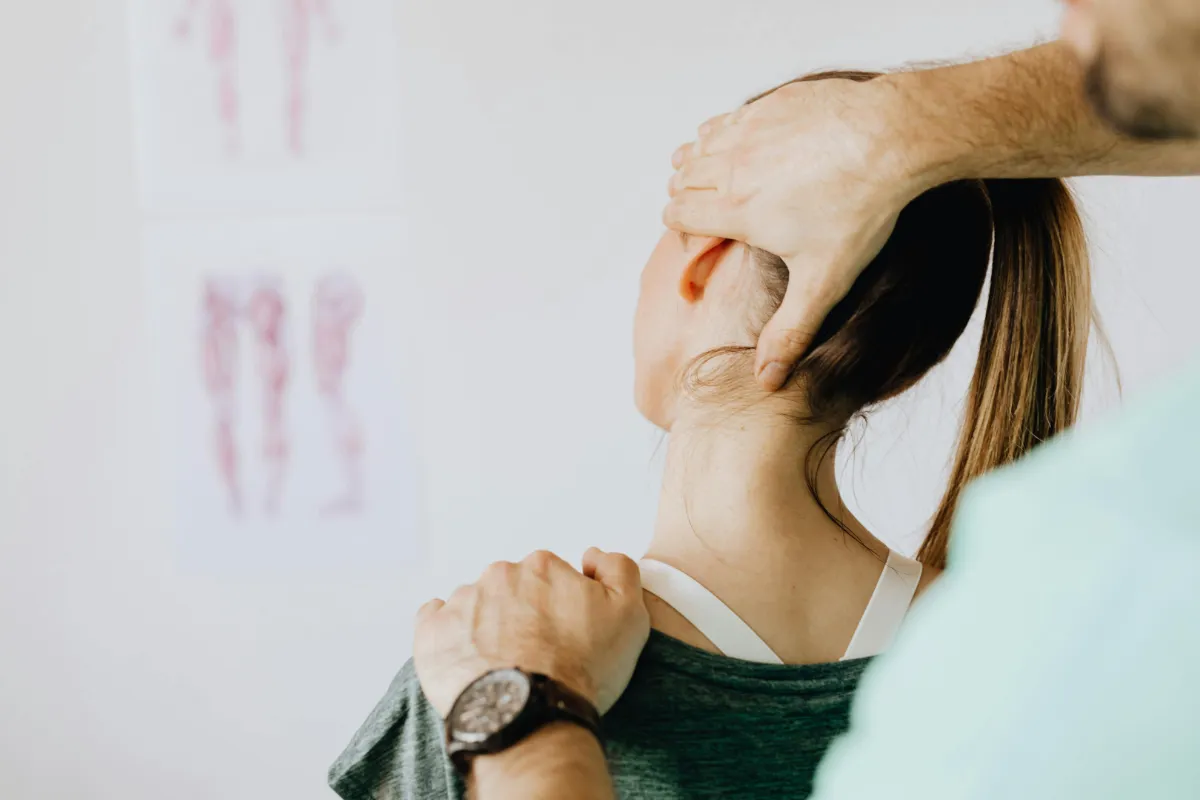
Sciatica 01

Introduction

Sciatica, a condition synonymous with excruciating pain coursing along the path of the sciatic nerve, isn’t merely a physical affliction—it’s a formidable barrier to independence and quality of life. Imagine the sensation: a searing, electric shock shooting down your leg with every step, a constant reminder of the nerve’s relentless grip on your body.

Tasks as simple as rising from a chair or bending to tie your shoelaces become daunting challenges, overshadowed by the omnipresent threat of agonising discomfort.

Enter physiotherapy, a multifaceted discipline revered for its ability to unravel the complexities of sciatica and offer solace to those ensnared in its grasp.

Within the skilled hands of physiotherapists lies the power to alleviate severe pain and, restore mobility, and empower individuals to reclaim control over their lives.

In this comprehensive exploration of physio for sciatica relief management, we embark on a journey of discovery—a journey that transcends the boundaries of pain and limitation to unveil the transformative potential of expert care.

Together, we’ll navigate the intricacies of sciatica, unraveling its enigmatic origins and shedding light on its debilitating symptoms. We’ll delve into the art and science of sciatica physiotherapy treatment, uncovering its myriad interventions and innovative approaches to pain relief.

And, perhaps most importantly, we’ll empower individuals with the knowledge, tools, and strategies needed to traverse the path from injury to independence with confidence and resilience.

So, if you find yourself ensnared in the grip of sciatica, know this: you are not alone. Within these pages lies a roadmap to liberation—a blueprint for overcoming adversity and reclaiming the freedom to live life on your own terms. With the guidance of expert physiotherapy, the journey from injury to independence awaits, beckoning you towards a brighter, pain-free future.


Understanding Sciatica: Causes and Symptoms of Sciatic Nerve Pain

Sciatica 02

Sciatica, often likened to a persistent thorn in one’s side, is a condition that stems from the intricate interplay of anatomy, pathology, and physiology.

At its core lies the sciatic nerve, a formidable structure that serves as the body and nervous system’s conduit for transmitting sensory and motor signals to and from the lower extremities. When this vital nerve becomes compressed, irritated, or inflamed, the result is a cascade of symptoms that can wreak havoc on one’s quality of life.

The Anatomy of Sciatica

To truly grasp the essence of sciatica, one must first understand the intricate anatomy of the sciatic nerve root and its surrounding structures. Arising from the nerve roots of the lumbar spine (L4-S3), the sciatic nerve traverses through the buttocks and down the posterior thigh, branching out into smaller nerves that innervate the lower leg and foot.

Its sheer size and complexity render it susceptible to compression from various sources, giving rise to the hallmark symptoms of sciatica.

Common Causes of Sciatica

Sciatica, much like a puzzle with multiple pieces, can have a myriad of underlying causes, each contributing to the nerve’s entrapment and ensuing symptoms. Among the most common culprits are:

  • Herniated Discs: Intervertebral discs, the shock-absorbing cushions between the vertebrae, can herniate or bulge, exerting pressure on adjacent nerve roots, including the sciatic nerve.
  • Spinal Stenosis: Narrowing of the spinal canal, a condition known as spinal stenosis, can compress the sciatic nerve as it exits the lumbar spine, leading to symptoms of sciatica.
  • Muscle Imbalances: Tightness or weakness in the muscles surrounding the lumbar spine and pelvis can disrupt normal biomechanics, predisposing individuals to sciatic nerve compression.
  • Piriformis Syndrome: In some cases, the piriformis muscle, located deep within the buttocks, can compress the sciatic nerve as it passes underneath or through the muscle, resulting in symptoms resembling sciatica.

Symptoms of Sciatica

The symptoms of sciatica are as varied as the individuals affected by it, ranging from mild discomfort to debilitating pain. Common manifestations include:

  • Radiating Pain: The hallmark symptom of sciatica, pain radiates along the path of the sciatic nerve, typically from the lower back down the buttock, thigh, and into the leg or foot. The pain may be sharp, shooting, or burning in nature, often exacerbated by movement or prolonged sitting.
  • Muscle Weakness: Sciatica can cause weakness in the muscles of the affected leg, making it difficult to perform everyday activities such as walking, standing, or climbing stairs. Muscle weakness may be accompanied by a sensation of heaviness or fatigue in the leg.
  • Altered Sensation: Tingling, numbness, or pins-and-needles sensations, known as paraesthesia, may occur in the leg or foot affected by sciatica. These altered sensations often follow the path of the sciatic nerve and may worsen with prolonged sitting or standing.

The Role of Physiotherapy in Alleviating Sciatic Pain

Physiotherapy stands as a beacon of hope for individuals grappling with the relentless grip of sciatic pain.

Rooted in evidence-based practice and guided by a deep understanding of human anatomy and biomechanics, physiotherapy offers a multifaceted approach to sciatica management that addresses not only the symptoms but also the underlying causes of the condition.

Through a synergistic blend of manual therapy, exercise prescription, patient education, and innovative interventions, physiotherapists strive to alleviate pain, restore function, and empower individuals towards a path of recovery and independence.

Sciatica 03

Manual Therapy

At the heart of physiotherapy lies the art of manual therapy—a hands-on approach to healing that seeks to restore balance, alignment, and mobility to the body’s structures. Physiotherapists employ a diverse array of manual techniques, including:

  • Soft Tissue Mobilisation: Gentle manipulation of soft tissues, such as muscles, tendons, and ligaments, to alleviate tension, improve blood flow, and promote tissue healing.
  • Joint Mobilisation: Controlled movements applied to specific joints to reduce stiffness, improve range of motion, and restore normal biomechanics.
  • Spinal Manipulation: High-velocity, low-amplitude thrusts applied to the spine to realign vertebral segments, alleviate nerve compression, and reduce pain.

Through these hands-on interventions, physiotherapists target areas of restriction, release muscle tension, and alleviate pressure on the sciatic nerve, providing immediate relief and laying the foundation for long-term recovery.

Exercise Prescription

Exercise therapy forms the cornerstone of physiotherapy interventions for sciatica relief, offering a potent means of strengthening muscles, improving flexibility, and enhancing overall function.

A physical therapist will prescribe tailored exercise programmes designed to address the individual’s specific needs and goals, incorporating a diverse range of exercises, including:

  • Core Strengthening Exercises: Targeting the deep stabilising muscles of the lumbar spine and pelvis to improve spinal stability and reduce strain on the sciatic nerve.
  • Nerve Gliding Exercises: Gentle movements designed to mobilise the sciatic nerve and reduce adhesions, promoting neural mobility and alleviating symptoms.
  • Stretching Routines: Focused stretches aimed at lengthening tight muscles, such as the hamstrings, piriformis, and hip flexors, to relieve pressure on the sciatic nerve and improve flexibility.

By empowering individuals to take an active role in their recovery, exercise therapy fosters self-efficacy, promotes adherence to treatment, and accelerates the healing process.

Patient Education

Sciatica 04

In addition to hands-on interventions and exercise prescription, patient education plays a pivotal role in the success of physiotherapy interventions for sciatica relief. Physiotherapists serve as educators, empowering individuals with the knowledge, tools, and strategies needed to manage their condition effectively.

Key areas of education include:

  • Understanding Sciatica: Providing insight into the underlying causes, symptoms, and mechanisms of sciatic pain, empowering individuals to make informed decisions about their care.
  • Postural Correction: Educating individuals on proper posture, body mechanics, and ergonomic principles to reduce strain on the lumbar spine and minimise the risk of exacerbating symptoms.
  • Self-Management Strategies: Equipping individuals with techniques for pain management, stress reduction, and lifestyle modification to promote long-term spinal health and prevent re-injury.

By fostering a collaborative partnership between physiotherapists and patients, education promotes self-efficacy, empowers individuals to take ownership of their health, and lays the groundwork for sustainable recovery.

Assessment Techniques: Evaluating Sciatica and Lumbar Spine Functionality

Accurate assessment forms the cornerstone of effective physiotherapy interventions for sciatica relief. Physiotherapists employ a comprehensive range of assessment techniques to evaluate the underlying causes of sciatic pain and assess lumbar spine functionality.

Clinical Diagnosis

A thorough clinical examination allows physiotherapists to assess the patient’s presenting symptoms, functional limitations, and medical history. Special attention is paid to identifying specific pain patterns, muscle weakness, and neurological deficits indicative of sciatica.

Functional Movement Assessment

Functional movement assessments, such as gait analysis and squat assessments, provide valuable insights into biomechanical dysfunctions contributing to sciatic pain.Observing the patient’s movement patterns helps identify compensatory strategies and areas of weakness that may exacerbate symptoms.

Special Tests: Special orthopaedic tests, such as the straight leg raise test and slump test, help elicit sciatic nerve irritation and confirm the diagnosis of sciatica. These tests assess the extent of sciatic nerve passes and compression and help guide treatment planning.

Imaging Studies: While clinical diagnosis forms the basis of sciatica management, imaging studies such as X-rays, MRI scans, or CT scans may be utilised to further evaluate the underlying pathology. Imaging studies help identify structural abnormalities such as herniated discs, spinal stenosis, or degenerative changes that may contribute to sciatic nerve compression.


Effective Physiotherapy Interventions for Sciatica Relief and Leg Pain

Sciatica 05

Navigating the labyrinthine landscape of sciatica requires a multifaceted approach—one that addresses not only the symptoms but also the underlying causes of pain and dysfunction.

Physiotherapists employ a diverse array of interventions, drawing upon their expertise in manual therapy, exercise prescription, modalities, and patient education to alleviate pain, restore function, and empower individuals towards a path of recovery and independence.

Manual Therapy Interventions

Manual therapy stands as a cornerstone of physiotherapy interventions for sciatica relief, offering targeted techniques to address musculoskeletal imbalances, alleviate pain, and restore mobility.

Physiotherapists may employ a variety of manual techniques, including:

  • Soft Tissue Mobilisation: Gentle manipulation of soft tissues, such as muscles, tendons, and ligaments, to release tension, improve circulation, and promote tissue healing.
  • Joint Mobilisation: Controlled movements applied to specific joints to reduce stiffness, improve range of motion, and restore normal joint mechanics.
  • Spinal Manipulation: High-velocity, low-amplitude thrusts applied to the spine to realign vertebral segments, alleviate nerve compression, and reduce pain.

By targeting areas of restriction and dysfunction, manual therapy interventions aim to alleviate pressure on the sciatic nerve, reduce muscle tension, and restore optimal biomechanical alignment.

Exercise Prescription

Exercise therapy forms the backbone of physiotherapy interventions for sciatica relief, offering a potent means of strengthening muscles, improving flexibility, and enhancing overall function.

Physiotherapists prescribe tailored exercise programmes designed to address the individual’s specific needs and goals, incorporating a diverse range of exercises, including:

  • Core Strengthening Exercises: Targeting the deep stabilising muscles of the lumbar spine and pelvis to improve spinal stability and reduce strain on the sciatic nerve.
  • Nerve Gliding Exercises: Gentle movements designed to mobilise the sciatic nerve and reduce adhesions, promoting neural mobility and alleviating symptoms.
  • Stretching Routines: Focused stretches aimed at lengthening tight muscles, such as the hamstrings, piriformis, and hip flexors, to relieve pressure on the sciatic nerve and improve flexibility.

Through regular participation in prescribed exercises, individuals can strengthen supporting muscles, improve joint mobility, and reduce the risk of recurrent episodes of sciatica.

Modalities for Pain Relief

In addition to manual therapy and exercise, physiotherapists may utilise a variety of modalities to provide symptomatic relief from shooting pain. Common modalities include:

  • Heat Therapy: Application of heat packs or infrared lamps to increase blood flow, relax muscles, and alleviate stiffness, promoting relaxation and reducing discomfort.
  • Cold Therapy: Application of ice packs or cold compresses to reduce inflammation, numb painful areas, and provide temporary pain relief, particularly in acute stages of sciatica.
  • Ultrasound Therapy: Use of high-frequency sound waves to generate heat within deep tissues, promoting circulation and accelerating the healing process, reducing muscle spasm, and enhancing tissue elasticity.
  • Transcutaneous Electrical Nerve Stimulation (TENS): Delivery of low-voltage electrical impulses to the skin through electrodes, stimulating nerves and disrupting pain signals to the brain, providing immediate pain relief and facilitating the rehabilitation process.

By combining these modalities with manual therapy, bed rest, muscle relaxants, and exercise, physiotherapists can offer a comprehensive approach to pain management, addressing both the symptoms and underlying causes of sciatica.

Education and Self-Management Strategies

Patient education serves as a vital component of sciatica management, empowering individuals with the knowledge, tools, and strategies needed to manage their condition effectively. Physiotherapists provide education on:

  • Understanding Sciatica: Explaining the underlying causes, symptoms, and mechanisms of sciatic pain, enabling individuals to make informed decisions about their care.
  • Postural Correction: Teaching proper posture, body mechanics, and ergonomic principles to reduce strain on the lumbar spine and minimise the risk of exacerbating symptoms.
  • Self-Management Techniques: Equipping individuals with techniques for pain management, stress reduction, and lifestyle modification to promote long-term spinal health, remain active and prevent re-injury.

Through education and self-management strategies, individuals can take an active role in their recovery, fostering self-efficacy and promoting adherence to treatment recommendations.

Incorporating Home Exercises: Strengthening for Sciatic Nerve Relief

The journey towards preventing sciatica extends beyond the confines of the physiotherapy clinic, transcending into the comfort and familiarity of one’s own home.

For most patients, home exercises serve as a vital adjunct to in-clinic interventions, providing individuals with the opportunity to reinforce progress, maintain gains, and foster independence in their rehabilitation journey.

Through a carefully curated selection of strengthening exercises, individuals can target specific muscle groups, improve stability, and alleviate tension on the sciatic nerve, promoting long-term relief and resilience against future episodes.

Tailored Exercise Programmes

Central to the incorporation of home exercises is the development of tailored exercise programmes, meticulously crafted to address the individual’s unique needs, abilities, and goals.

Physiotherapists collaborate closely with individuals to design personalised routines that target key areas of weakness, imbalance, or dysfunction, ensuring optimal outcomes and adherence to the prescribed regimen.

Strengthening Exercises for Sciatic Nerve Relief

Home exercise programmes for sciatic nerve relief typically encompass a diverse array of strengthening exercises, targeting muscles that play a pivotal role in supporting the lumbar spine, pelvis, and lower extremities. Key exercises may include:

  • Bridge Exercises: Targeting the gluteal muscles, hamstrings, and lower back, bridge exercises help improve hip stability and strengthen the posterior chain, reducing strain on the sciatic nerve.
  • Clamshell Exercises: Focusing on the hip abductors and external rotators, clamshell exercises enhance pelvic stability and improve hip alignment, mitigating the risk of nerve compression.
  • Leg Press or Squats: Engaging the quadriceps, hamstrings, and gluteal muscles, leg press or squat exercises promote lower limb strength and endurance, enhancing overall functional capacity and reducing reliance on the sciatic nerve.
  • Dead Bug Exercises: Activating the core musculature, dead bug exercises improve spinal stability and proprioception, reducing the risk of excessive lumbar flexion and nerve irritation.
  • Lumbar Stabilisation Exercises: Incorporating exercises such as the bird dog or plank variations, lumbar stabilisation exercises enhance core strength and endurance, fostering a stable foundation for movement and reducing the likelihood of recurrent sciatic symptoms.

Guidance and Support

Incorporating home exercises into one’s daily routine requires guidance, support, and motivation to ensure consistency and adherence. Physiotherapists play a pivotal role in empowering individuals with the knowledge, skills, and confidence needed to perform exercises safely and effectively at home.

Through detailed instruction, demonstration, and feedback, individuals learn proper technique, progression, and modification of exercises, fostering independence and self-efficacy in their rehabilitation journey.

Monitoring and Progression

Regular monitoring and progression of home exercises are essential to maximise the benefits and prevent stagnation in rehabilitation. Physiotherapists guide individuals through the process of tracking progress, adjusting exercise intensity, and modifying routines based on feedback and outcomes.

By incorporating progressive overload principles, individuals can continue to challenge their muscles, promote strength gains, and enhance resilience against sciatic nerve compression.

Integration with Daily Activities

The seamless integration of home exercises into daily activities enhances compliance and sustainability, making it easier for individuals to adhere to their prescribed regimen.

Physiotherapists collaborate with individuals to identify opportune moments throughout the day to perform exercises, such as during breaks at work, while watching television, or before bedtime, fostering a sense of continuity and integration into daily life.


Addressing Mobility Challenges: Techniques for Leg Pain Management

Leg pain, a hallmark symptom of sciatica, can significantly impair mobility and diminish quality of life, rendering even simple tasks a daunting challenge. Addressing mobility challenges is paramount in the management of sciatic nerve pain, as it promotes independence, enhances functional capacity, and facilitates the return to normal activities.

Physiotherapists employ a variety of techniques to address mobility limitations, alleviate leg and back pain, and improve overall movement quality, empowering individuals to navigate their daily lives with confidence and ease.

Manual Therapy Techniques

Manual physical therapy serves as a cornerstone in addressing mobility challenges associated with leg pain, offering targeted interventions to restore joint mobility, alleviate muscle tension, and improve tissue flexibility.

Physiotherapists may utilise a variety of manual techniques, including:

  • Joint Mobilisations: Controlled movements applied to specific joints to reduce stiffness, improve range of motion, and restore normal joint mechanics, particularly in the lumbar spine, hips, and lower extremities.
  • Soft Tissue Mobilisations: Gentle manipulation of soft tissues, such as muscles, tendons, and ligaments, to release tension, improve circulation, and promote tissue healing, reducing muscle stiffness and discomfort.
  • Neural Mobilisations: Techniques aimed at mobilising and desensitising neural structures, such as the sciatic nerve, to alleviate nerve compression and reduce symptoms of pain and tingling.

Through these hands-on interventions, physiotherapists target areas of restriction and dysfunction, promoting optimal mobility and function in individuals with leg pain.

Exercise Prescription for Mobility

Exercise therapy plays a crucial role in improving mobility and function in individuals with leg pain, offering targeted exercises to strengthen muscles, improve flexibility, and enhance movement patterns. Physiotherapists may prescribe a variety of exercises, including:

  • Gait Training: Focused on improving walking mechanics, balance, and coordination, gait training exercises help individuals regain confidence and independence in their ability to walk and move safely.
  • Dynamic Stretching: Incorporating dynamic stretching exercises, such as leg swings or walking lunges, to improve flexibility, reduce muscle tension, and enhance range of motion in the lower extremities.
  • Functional Strength Training: Targeting key muscle groups involved in functional activities, such as squatting, lifting, and stair climbing, functional strength training exercises improve muscle strength, endurance, and power, facilitating the performance of everyday tasks.
  • Balance and Proprioception Exercises: Incorporating balance and proprioception exercises, such as single-leg stands or balance board drills, to improve stability, coordination, and proprioceptive awareness, reducing the risk of falls and enhancing mobility.

By integrating these exercises into a comprehensive rehabilitation programme, individuals with leg pain can enhance their mobility, restore function, and improve their overall quality of life.

Assistive Devices and Mobility Aids

In cases where mobility challenges persist despite therapeutic interventions, the use of assistive devices and mobility aids can provide additional support and facilitate safe movement. Physiotherapists may recommend the use of:

  • Walking Aids: Such as canes, crutches, or walkers, to provide stability and support during walking and weight-bearing activities, reducing the risk of falls and enhancing confidence.
  • Orthotic Devices: Such as ankle-foot orthoses (AFOs) or shoe inserts, to improve foot alignment, provide arch support, and reduce pain during weight-bearing activities, promoting proper biomechanics and enhancing mobility.
  • Adaptive Equipment: Such as grab bars, shower chairs, or raised toilet seats, to modify the home environment and facilitate activities of daily living, promoting independence and reducing the risk of injury.

By incorporating assistive devices and mobility aids into daily life, individuals with leg pain can overcome mobility challenges and maintain their independence in performing essential tasks.

Pain Management Strategies

Effective pain management is essential in addressing mobility challenges associated with leg pain, as it allows individuals to move more freely and engage in rehabilitative activities with greater ease.

Physiotherapists may employ a variety of pain management strategies, including:

  • Modalities: Such as heat therapy, cold therapy, or transcutaneous electrical nerve stimulation (TENS), to reduce pain, alleviate muscle tension, and promote relaxation, facilitating movement and improving mobility.
  • Education: Providing education on pain neuroscience, pacing strategies, and self-management techniques to empower individuals to take an active role in managing their pain, fostering resilience and promoting engagement in rehabilitative activities.
  • Psychological Support: Addressing psychological factors, such as fear-avoidance beliefs or catastrophising thoughts, that may contribute to pain and mobility limitations, through cognitive-behavioural techniques, mindfulness-based interventions, or relaxation exercises, promoting a positive mindset and enhancing coping mechanisms.

By addressing pain comprehensively and equipping individuals with the tools and strategies needed to manage their symptoms effectively, physiotherapists facilitate improved mobility and function in individuals with leg pain.

Managing Pain: Physiotherapeutic Modalities for Sciatica Relief

Pain management lies at the heart of physiotherapy interventions for sciatica relief. Physiotherapists employ a range of modalities to alleviate pain, reduce inflammation, and promote tissue healing, enabling individuals treating sciatica to regain comfort and function.

Heat Therapy

Heat therapy, in the form of hot packs or infrared lamps, is commonly used to provide relief from sciatic pain. Heat helps to increase blood flow, relax muscles, and alleviate stiffness, promoting relaxation and reducing discomfort.

Cold Therapy

Cold therapy, applied through ice packs or cold compresses, is effective in reducing inflammation and numbing painful areas. Cold constricts blood vessels, reducing swelling and providing temporary pain relief, particularly in acute stages of sciatica.

Ultrasound Therapy

Ultrasound therapy utilises high-frequency sound waves to generate heat within deep tissues, promoting circulation and accelerating the healing process. Ultrasound therapy is effective in reducing muscle spasm, enhancing tissue elasticity, and relieving pain associated with sciatica.

Transcutaneous Electrical Nerve Stimulation (TENS)

TENS units deliver low-voltage electrical impulses to the skin through electrodes, stimulating the nerves and disrupting pain signals to the brain. TENS therapy is effective in providing immediate pain relief and can be used as a standalone treatment or in conjunction with other modalities.

Shockwave Therapy

Shockwave therapy delivers acoustic waves to targeted areas of tissue, promoting cellular repair and regeneration. Shockwave therapy is particularly beneficial for individuals with chronic sciatic pain resistant to conventional treatments, offering a non-invasive alternative to surgery.


Progress Monitoring: Tracking Improvement in Sciatic Nerve Function

Sciatica 06

Monitoring progress is an essential aspect of sciatica management, allowing physiotherapists to assess treatment efficacy, identify areas of improvement, and make necessary adjustments to the treatment plan.

Objective Outcome Measures

Physiotherapists utilise objective outcome measures to quantitatively assess changes in sciatic nerve function, muscle strength, and functional mobility over time. Common outcome measures include the straight leg raise test, muscle strength testing, and functional movement assessments.

Subjective Feedback

Patient feedback plays a crucial role in monitoring progress and gauging treatment effectiveness. Physiotherapists encourage open communication with patients, soliciting feedback on pain levels, functional limitations, and overall satisfaction with treatment.

Reassessment and Reevaluation

Regular reassessment and reevaluation are essential components of the whole physiotherapy treatment process. Physiotherapists periodically review treatment goals, assess progress towards these goals, and modify the treatment plan as necessary to optimise outcomes.

Documentation and Documentation

Accurate documentation of treatment sessions, including interventions performed, patient responses, and progress made, is essential for tracking progress and ensuring continuity of care. Physiotherapists maintain detailed records to facilitate communication with other healthcare providers and support evidence-based practice.


Educating Patients: Preventive Measures for Lumbar Spine Health

Empowering patients with knowledge about sciatica and preventive measures is paramount in promoting long-term spinal health and reducing the risk of recurrent episodes.

Physiotherapists play a pivotal role in educating patients about lifestyle modifications, ergonomic principles, and self-management techniques to prevent re-injury.

Ergonomic Principles

Physiotherapists provide guidance on ergonomics, educating patients on proper posture, body mechanics, and workstation setup to minimise strain on the lumbar spine. Simple adjustments, such as maintaining a neutral spine position while sitting or lifting heavy objects correctly, can significantly reduce the risk of sciatica.

Postural Correction

Poor posture contributes to increased stress on spinal cord and the spine and exacerbates sciatic symptoms. Physiotherapists teach patients proper postural alignment and offer strategies to maintain good posture throughout the day. Core strengthening exercises and postural re-education help reinforce optimal alignment and reduce the risk of spinal imbalances.

Lifestyle Modifications

Sciatica 07

Lifestyle factors, such as obesity, sedentary behaviour, and smoking, can exacerbate sciatic symptoms and impede recovery. Physiotherapists educate patients on the importance of regular exercise, healthy nutrition, and smoking cessation in promoting spinal health and reducing the risk of sciatica recurrence.

Self-Management Techniques

Equipping patients with self-management techniques empowers them to take an active role in their recovery journey. A physical therapist teaches patients techniques fro treat sciatica, such as heat or cold therapy, as well as strategies for stress reduction and relaxation to alleviate muscle tension and promote overall well-being.


Conclusion

If you’re grappling with the debilitating effects of sciatica, relief is not only possible but within reach. Physiotherapy stands as a proven solution for managing sciatica treatment and pain, improving mobility, and reclaiming your quality of life.

At Home Rehab Therapists, we understand the profound impact that sciatica can have on your daily activities and overall well-being. That’s why our team of dedicated professionals is committed to providing personalised physiotherapy treatments tailored to meet your unique needs—all from the comfort and convenience of your own home.

Our experienced physiotherapists will work closely with you to develop a comprehensive treatment plan that addresses not just the symptoms of sciatica, but also the underlying causes.

From manual physical therapy techniques to targeted exercises and pain management strategies, we’ll equip you with the tools and support you need to overcome sciatic pain and regain your mobility.

With our compassionate care and expertise, you can look forward to a future free from the limitations of sciatic pain. Contact us now to schedule your consultation and take the first step towards a happier, healthier life.

Ready to take control of your sciatica?

Schedule a consultation with our expert physiotherapists today and start your journey towards independence and relief.

Sciatica 08

Effective Physiotherapy Techniques for Plantar Fasciitis

Are you struggling with plantar fasciitis and seeking effective relief?

Home Rehab Therapists are here to help you overcome your heel pain and regain mobility. Explore our comprehensive physiotherapy techniques for plantar fasciitis relief and take the first step towards a pain-free life today.

Plantar Fasciitis 01

Introduction

Plantar fasciitis is a common and often debilitating condition characterized by persistent heel pain, typically experienced with the first steps in the morning or after prolonged periods of rest. This condition occurs due to inflammation and micro-tears in the plantar fascia, a thick band of tissue that runs along the bottom of the foot, connecting the heel bone to the toes. While plantar fasciitis can significantly impair mobility and quality of life, effective management strategies, particularly through physiotherapy, offer hope for relief and recovery.

Can Physio Help Plantar Fasciitis?

Plantar Fasciitis 02

Plantar fasciitis is a debilitating condition characterized by inflammation and micro-tears in the plantar fascia, often resulting in excruciating heel pain. Fortunately, physiotherapy stands as a beacon of hope for individuals grappling with this challenging condition. With its multifaceted approach and evidence-based interventions, physiotherapy offers a path towards intense pain relief, recovery, and restored mobility.

Expert Assessment and Diagnosis

One of the primary benefits of seeking physiotherapy for plantar fasciitis is the expert assessment and accurate diagnosis provided by qualified physiotherapists. Through a comprehensive evaluation, physiotherapists can accurately diagnose plantar fasciitis and identify any contributing factors that may be exacerbating the condition. This may include biomechanical abnormalities, muscular imbalances, or improper footwear choices. By gaining a thorough understanding of the underlying issues, physiotherapists can develop tailored treatment plans to address the root cause of the problem and alleviate symptoms effectively.

Targeted Treatment Interventions

Physiotherapy offers a diverse range of treatment interventions aimed at reducing pain, improving function, and promoting tissue healing in individuals with plantar fasciitis. These interventions may include:

Manual Therapy Techniques:

Physiotherapists may employ various hands-on techniques such as soft tissue massage, joint mobilizations, and myofascial release to alleviate tension in the plantar fascia and surrounding structures. By targeting tight muscles, adhesions, and trigger points, manual therapy techniques can help improve flexibility, significantly reduce pain,, and restore normal movement patterns in the foot and ankle.

Stretching and Strengthening Exercises:

Plantar Fasciitis 03

Stretching and strengthening exercises play a crucial role in the management of plantar fasciitis. Physiotherapists may prescribe specific exercises targeting where plantar fasciitis develops the calf muscles, Achilles tendon, and intrinsic foot muscles to improve flexibility, strength, and stability in the lower extremities. These exercises help alleviate strain on the plantar fascia, promote tissue healing, and prevent recurrence of symptoms.

Biomechanical Assessments and Gait Analysis:

Biomechanical assessments and gait analysis allow physiotherapists to identify any abnormal movement patterns or biomechanical imbalances that may be contributing to plantar fasciitis. By analyzing the way an individual walks or runs, physiotherapists can pinpoint areas of dysfunction and develop targeted interventions to address these issues. This may involve prescribing orthotic devices, footwear modifications, or gait retraining exercises to optimize foot mechanics and reduce stress on the plantar fascia.

Patient Education and Self-Management Strategies

In addition to hands-on treatment interventions, physiotherapy empowers individuals with plantar fasciitis through patient education and self-management strategies. Physiotherapists educate patients about the underlying causes of plantar fasciitis, common aggravating factors, and strategies for managing symptoms effectively. This may include advice on proper footwear selection, activity modification, and home exercises to complement in-clinic treatment. By equipping individuals patients with plantar fasciitis with the knowledge and skills to manage their condition independently, physiotherapy fosters long-term self-efficacy and encourages active participation in the healing process.

Collaborative Care and Holistic Approach

Plantar Fasciitis 04

Physiotherapy embraces a collaborative approach to care, working closely with other healthcare professionals such as podiatrists, orthopedic surgeons, and sports physicians to ensure comprehensive management of plantar fasciitis. By collaborating with a multidisciplinary team, physiotherapists can offer holistic care that addresses the diverse needs of individuals with plantar fasciitis, from acute pain management to long-term rehabilitation and injury prevention. This collaborative approach ensures that individuals receive the most appropriate and effective treatment modalities tailored to their unique circumstances, ultimately optimizing outcomes and promoting recovery.

Best Exercises for Plantar Fasciitis

Plantar Fasciitis 05

Effective management of plantar fasciitis often involves a combination of targeted exercises aimed at stretching, strengthening, and stabilizing the foot and ankle. By incorporating specific exercises into your daily routine, you can alleviate pain, improve flexibility, and promote tissue healing in the plantar fascia. Here are some of the best exercises recommended by physiotherapists for individuals with plantar fasciitis:

Calf Stretching Exercises

Tightness in the calf muscles can exacerbate tension on the plantar fascia, leading to increased pain and discomfort. Calf stretching exercises help alleviate this tension by promoting flexibility and mobility in the calf muscles and Achilles tendon. To perform a calf stretch:

  1. Stand facing a wall with your hands placed against the wall at shoulder height.
  2. Step one foot back and keep it straight, with the heel firmly planted on the ground.
  3. Bend the front knee while keeping the back leg straight, until you feel a stretch in the calf of the back leg.
  4. Hold the stretch for 20-30 seconds, then switch sides and repeat.

Performing these calf muscle stretching exercises several times a day can help reduce tightness in the calf muscles and alleviate strain on the plantar fascia.

Plantar Fascia Stretch

Stretching the plantar fascia directly can help relieve tension and promote healing in individuals with plantar fasciitis. To perform a plantar fascia stretch:

  1. Sit on a chair and cross one foot over the opposite knee.
  2. Using your hand, gently pull back on the toes of the crossed foot until you feel a stretch along the bottom of the foot.
  3. Hold the stretch for 20-30 seconds, then release.
  4. Repeat the stretch several times on each foot, especially before getting out of bed in the morning or after prolonged periods of sitting.

Towel Scrunches

Towel scrunches are a simple yet effective exercise for strengthening the muscles of the foot and promoting arch support. To perform towel scrunches:

  1. Sit on a chair with your feet flat on the floor and place a small towel on the ground in front of you.
  2. Using your toes, scrunch the towel towards you, gathering it up into a ball.
  3. Hold the scrunch for a few seconds, then release and repeat.
  4. Aim to complete 10-15 repetitions, gradually increasing the intensity as your foot muscles strengthen.

Towel scrunches help improve strength and coordination in the muscles of the foot, providing support to the arch and reducing strain on the plantar fascia.

Toe Curls

Plantar Fasciitis 06

Toe curls are another effective exercise for strengthening the muscles of the foot and promoting arch support. To perform toe curls:

  1. Sit on a chair with your feet flat on the floor.
  2. Keeping your heels on the ground, curl your toes towards the sole of your foot.
  3. Hold the curl for a few seconds, then release and repeat.
  4. Aim to complete 10-15 repetitions, gradually increasing the intensity as your foot muscles strengthen.

Toe curls help improve strength and flexibility in the muscles of the foot, providing support to the arch and reducing strain on the plantar fascia.

Arch Strengthening Exercises

Weakness in the muscles of the foot can contribute to instability and increased stress on the plantar fascia. Arch strengthening exercises help improve muscle strength and stability in the foot, reducing the risk of injury and promoting proper foot mechanics. Some effective arch strengthening exercises include:

  • Arch Raises: Sit on a chair with your feet flat on the floor. Slowly lift your arches off the ground, raising them as high as you can without causing pain. Hold the position for a few seconds, then lower your arches back down. Repeat for 10-15 repetitions.
  • Marble Pickup: Place a bowl of marbles on the floor and sit on a chair with your feet flat on the ground. Using your toes, pick up one marble at a time and place it in a separate bowl. Continue until all marbles have been transferred. This exercise helps strengthen the muscles of the foot and promote arch support.

Incorporating these exercises into your daily routine can help alleviate pain, improve flexibility, and promote healing in the plantar fascia. However, it’s essential to consult with a physiotherapist or healthcare professional before starting any new exercise program, especially if you have a pre-existing medical condition or injury.


Does Plantar Fasciitis Ever Go Away?

Plantar Fasciitis 07

With appropriate treatment and management, plantar fasciitis can resolve over time. However, the duration of recovery varies depending on factors such as the severity of the condition, adherence to treatment protocols, and individual response to therapy. Early intervention and consistent physiotherapy are key in achieving positive outcomes and preventing the recurrence of symptoms. By addressing the underlying causes of plantar fasciitis and implementing targeted interventions, physiotherapists can facilitate the healing process and empower patients to reclaim their mobility and quality of life.


What Happens if You Wait Too Long to Start Physical Therapy?

Delaying physiotherapy treatment for plantar fasciitis can prolong symptoms and increase the risk of complications. Without intervention, chronic plantar fasciitis may develop, leading to persistent pain and functional limitations. Additionally, waiting too long to seek treatment may necessitate more aggressive interventions such as corticosteroid injections or even surgery to alleviate symptoms. Thus, early intervention is crucial in preventing the progression of plantar fasciitis and promoting optimal outcomes for patients. By seeking prompt treatment at the onset of symptoms, individuals can avoid unnecessary suffering and expedite the healing process.

The Role of Expert Physiotherapy: Your Path to Lasting Plantar Fasciitis Relief

Plantar Fasciitis 08

Expert physiotherapy plays a pivotal role in the management of plantar fasciitis, offering comprehensive care tailored to the individual needs of patients. Physiotherapists conduct thorough clinical assessments to identify contributing factors and develop personalized treatment plans aimed at reducing pain, improving function, and promoting long-term recovery. Through a combination of hands-on techniques, therapeutic exercises, and patient education, physiotherapy empowers individuals to actively participate in their healing journey and regain control over their foot health.


Anatomy of the Plantar Fascia

The plantar fascia is a thick band of fibrous tissue that runs along the bottom of the foot, connecting the heel bone to the toes. It plays a crucial role in supporting the arch of the foot and absorbing shock during weight-bearing activities. The plantar fascia is subjected to significant stress and strain, particularly during activities such as walking, running, and jumping. When subjected to excessive tension or repetitive stress, the plantar fascia can become inflamed and irritated, leading to the development of plantar fasciitis.


Causes of Plantar Fasciitis

Plantar fasciitis can arise from a variety of factors, including biomechanical issues, overuse, and inadequate footwear. Individuals who engage in activities that place repetitive stress on the feet, such as running or standing for prolonged periods, are at an increased risk of developing plantar fasciitis. Other risk factors include obesity, flat feet, high arches, and tight calf muscles. Additionally, structural abnormalities such as abnormal foot mechanics or leg length discrepancies can contribute to the development of plantar fasciitis.

Physio for Plantar Fasciitis

Physiotherapy treatment for plantar fasciitis typically begins with a thorough assessment to identify contributing factors and develop a personalized treatment plan. Common interventions include manual therapy techniques such as massage and joint mobilizations to alleviate pain and improve mobility. Stretching exercises targeting the calf muscles and Achilles tendon help reduce tension on the plantar fascia, while strengthening exercises aim to improve foot stability and function. Additionally, modalities such as ultrasound or laser therapy may be used to promote tissue healing and reduce inflammation.

Sports physical therapy focuses on addressing the specific needs of athletes with plantar fasciitis, helping them return to their sport safely and effectively. Treatment may include biomechanical assessments to identify factors contributing to injury, as well as sport-specific exercises and training modifications to prevent recurrence. Sports physical therapists work closely with athletes to develop tailored rehabilitation programs aimed at restoring function, optimizing performance, and reducing the risk of future injuries.


Corticosteroid Injections for Plantar Fasciitis

Corticosteroid injections may be used as a short-term treatment option for the plantar fasciitis pain in cases where conservative measures have failed to provide adequate relief. These injections deliver powerful anti-inflammatory medication directly to the site of pain, providing rapid pain relief and reducing inflammation. However, corticosteroid injections are not without risks and may cause complications such as plantar fascia rupture or fat pad atrophy. Therefore, they are typically reserved for cases of severe or refractory plantar fasciitis.

Achilles Tendon: A Key Player

The Achilles tendon, linking calf muscles to the heel bone, is pivotal in foot biomechanics. Its health significantly impacts plantar fasciitis. Tightness in this tendon can increase stress on the plantar fascia, exacerbating symptoms. Physiotherapy interventions targeting Achilles tendon flexibility and strength play a vital role in plantar fasciitis management. Stretching and strengthening exercises, along with manual therapy techniques, can alleviate tension and improve mobility, contributing to effective plantar fasciitis treatment.


Night Splints for Plantar Fasciitis

Night splints are devices worn during sleep to maintain the foot and ankle in a dorsiflexed position, stretching the plantar fascia and Achilles tendon. This prolonged stretch helps prevent the tightening of the plantar fascia that occurs overnight, reducing morning pain and stiffness. Night splints are often recommended as part of a comprehensive treatment plan for plantar fasciitis, particularly for individuals who experience significant morning pain. However, compliance with night splint use can be challenging, and some individuals may find them uncomfortable to wear.

Rehabilitation Exercises for Plantar Fasciitis

Rehabilitation exercises are an essential component of the treatment plan for plantar fasciitis, aimed at restoring strength, flexibility, and function to the affected foot. These exercises may include calf stretches, toe curls, and towel scrunches to improve flexibility and mobility in the foot and ankle. Additionally, balance and proprioception exercises help improve stability and reduce the risk of falls. Rehabilitation exercises are typically performed under the guidance of a physiotherapist and may be progressed over time as the individual’s symptoms improve.


Tissue Healing in Plantar Fasciitis

Tissue healing in plantar fasciitis is a complex process that involves the repair and regeneration of damaged tissues in the plantar fascia. Initially, the body responds to injury by initiating an inflammatory response, characterized by swelling, redness, and pain. This inflammatory phase is followed by a proliferative phase, during which new tissue is formed to replace the damaged tissue. Finally, the remodeling phase occurs, during which the newly formed tissue matures and strengthens. Physiotherapy interventions aim to support and optimize the tissue healing process, promoting optimal outcomes for individuals with plantar fasciitis.


Patient Education for Plantar Fasciitis

Patient education is a crucial component of the treatment plan for plantar fasciitis, empowering individuals to take an active role in their recovery and long-term foot health. Physiotherapists provide information on the underlying causes of plantar fasciitis, as well as strategies for managing symptoms and preventing recurrence. This may include advice on footwear selection, activity modification, and self-care techniques such as stretching and strengthening exercises. By equipping individuals with the knowledge and skills to manage their condition effectively, patient education plays a vital role in achieving positive outcomes for individuals with plantar fasciitis.

Proper Treatment of Plantar Fasciitis

Plantar Fasciitis 09

Proper treatment of plantar fasciitis involves a multifaceted approach aimed at addressing the underlying causes of the condition and relieving symptoms. This may include physiotherapy interventions such as manual therapy, stretching exercises, and strengthening protocols to improve flexibility, mobility, and strength in the foot and ankle. Additionally, adjunct treatments such as corticosteroid injections, orthotic devices, and night splints may be recommended to alleviate pain and support the healing process. By combining various treatment modalities, individuals can achieve lasting relief from plantar fasciitis and prevent recurrence of symptoms.


Clinical Assessment for Plantar Fasciitis

Plantar Fasciitis 10

Clinical assessment for plantar fasciitis involves a thorough evaluation of the foot and ankle, focusing on identifying contributing factors and developing an appropriate treatment plan. This may include a physical examination to assess range of motion, strength, and stability in the foot and ankle, as well as special tests to elicit pain and assess tissue integrity. Additionally, imaging studies such as X-rays or ultrasound may be ordered to rule out other potential causes of heel and foot pain, and confirm the diagnosis of plantar fasciitis. By conducting a comprehensive clinical assessment, physiotherapists can tailor treatment plans to meet the individual needs of each patient.


Preventing Plantar Fasciitis: Tips for Foot Health

Plantar Fasciitis 11

Preventing and treating plantar fasciitis often involves adopting healthy lifestyle habits and minimizing risk factors for the condition. This may include wearing supportive footwear with adequate arch support and cushioning to reduce stress on the plantar fascia. Additionally, maintaining a healthy weight and engaging in regular physical activity can help improve overall foot health and reduce the risk of injury. Proper warm-up and cool-down routines before and after exercise can also help prevent muscle tightness and strain on the plantar fascia. By incorporating these preventive measures into daily life, individuals can protect their feet from injury and maintain optimal foot health.


Conclusion

Plantar fasciitis is a common and often debilitating condition that can significantly impact mobility and quality of life. However, with proper treatment and management, individuals can experience relief from symptoms and regain function in their feet. Physiotherapy plays a crucial role in the holistic management of plantar fasciitis, offering a range of interventions aimed at reducing pain, improving mobility, and promoting tissue healing. By addressing the underlying causes of plantar fasciitis and developing personalized treatment plans, physiotherapists empower individuals to take control of their recovery and achieve lasting relief from this condition.

Orthopedic Physiotherapy Pain Relief and Recovery

Take control of your health and wellness. Get in touch with Home Rehab Therapists to arrange a convenient in-home appointment with our skilled physiotherapists.

Orthopedics 01

Introduction to Orthopedic Physiotherapy: Understanding Your Path to Recovery

Orthopedic physiotherapy plays a crucial role in the rehabilitation journey of individuals suffering from musculoskeletal conditions, including fractures, sprains, and arthritis. This specialised branch of physiotherapy focuses on restoring mobility, reducing pain, and enhancing functionality in patients with orthopedic issues.

Understanding the fundamentals of orthopedic physiotherapy is vital for those seeking effective pain relief and recovery.

Definition of Orthopedic Physiotherapy

Orthopedic physiotherapy is a specialized area within the broader field of physical therapy that focuses on the assessment, diagnosis, and treatment of musculoskeletal conditions. These conditions may affect the bones, joints, muscles, ligaments, and tendons, leading to pain, limited mobility, and impaired function.

Orthopedic Physio London

Our orthopaedic physiotherapy services in London offer specialised care for a range of musculoskeletal conditions, including fractures, sprains, and arthritis.

At Home Rehab Therapists, we understand the importance of personalised treatment plans tailored to each individual’s needs and goals.

Our skilled physiotherapists provide comprehensive assessments and evidence-based interventions to promote pain relief, improve mobility, and enhance overall function.

Importance of Orthopedic Physiotherapy in Rehabilitation

The primary goal of orthopedic physiotherapy is to restore optimal function and mobility to the affected body part, thereby improving the patient’s quality of life. By addressing musculoskeletal issues through targeted interventions, physiotherapists aim to reduce pain, gradually increase strength and flexibility, and facilitate a return to normal activities.

Overview of Orthopedic Conditions Addressed

Orthopedic physiotherapy addresses a wide range of conditions, including but not limited to fractures, sprains, strains, arthritis, and post-surgical rehabilitation. Each condition requires a tailored approach to treatment, taking into account the specific needs and goals of the individual patient.

Exploring Orthopedic Conditions: A Comprehensive Overview

Musculoskeletal conditions can have a significant impact on an individual’s daily life and overall well-being. Understanding the common orthopedic conditions and their negative effects is essential for effective management and rehabilitation.

Common Orthopedic Conditions

Broken Ankle/Ankle Fracture

Orthopedics 02

Ankle fractures are among the most common orthopedic injuries, often resulting from falls, sports injuries, or trauma. They can cause severe pain, swelling, and difficulty walking. Treatment may involve immobilization, surgery, and physiotherapy to restore leg, foot and ankle mobility and strength.

Arthritis

Arthritis is a degenerative condition that affects the joints, leading to pain, stiffness, and reduced mobility. Physiotherapy interventions such as exercise, manual therapy, and joint protection techniques can help manage symptoms and improve joint function.

Calf Muscles

Calf injuries, such as strains and tears, can be challenging to manage without proper rehabilitation. At Home Rehab Therapists, our physiotherapists are experienced in treating calf injuries and helping individuals regain function in their lower limbs.

Through targeted exercises, stretching techniques, and manual therapy, we work to strengthen the calf muscles, improve flexibility, and reduce the risk of re-injury. Our goal is to support individuals in returning to their usual activities with confidence and comfort.

Sprains and Strains

Orthopedics 03

Sprains involve stretching or tearing of ligaments, while strains involve injury to muscles or tendons. These injuries commonly occur in the ankle, foot, ankle, knee, and shoulder joints and may require a combination of rest, rehabilitation exercises, and therapeutic modalities for recovery.

The Vital Role of a Physical Therapist in Orthopedic Rehabilitation

Physiotherapy plays a crucial role in the comprehensive management of orthopedic conditions, serving as a key component of rehabilitation programs aimed at promoting recovery and restoring function.

Importance of Early Intervention

Early intervention in orthopaedic rehabilitation is paramount for ensuring optimal outcomes and facilitating a smooth recovery process.

By seeking prompt assessment and treatment, individuals can address musculoskeletal issues before they escalate, preventing secondary complications and minimising functional decline.

Timely diagnosis allows for the development of targeted treatment plans, incorporating physiotherapy exercises, manual therapy, and therapeutic modalities to promote healing and restore normal function.

Additionally, early engagement in rehabilitation efforts enhances treatment efficacy and patient satisfaction. By taking proactive steps towards recovery, individuals can regain mobility, alleviate pain, and improve their overall quality of life more quickly.

Through timely access to orthopaedic rehabilitation services, patients feel supported and empowered, leading to greater motivation, adherence to treatment plans, and ultimately, improved outcomes in their orthopaedic rehabilitation journey.

Goals of Orthopedic Physiotherapy

The primary goals of orthopedic physiotherapy include reducing pain, restoring range of motion, improving muscle strength and flexibility, enhancing functional abilities, and promoting overall physical well-being.

By addressing these goals through targeted interventions simple exercises, physiotherapists help patients regain independence and return to their desired activities.

Orthopedic physiotherapists often work collaboratively with orthopedic surgeons, sports medicine physicians, and other healthcare providers to ensure comprehensive care for patients with musculoskeletal conditions.

This multidisciplinary approach allows for integrated treatment planning and coordination of services to meet the diverse needs of patients.

Unlocking Benefits: How Orthopedic Physiotherapy Brings Relief

Orthopedics 04

Orthopedic physiotherapy offers a full range of of benefits for individuals recovering from musculoskeletal injuries or conditions. From pain relief to improved mobility and function, physiotherapy interventions play a crucial role in facilitating recovery and enhancing quality of life.

Pain Management Strategies

Orthopedics 05

One of the primary objectives of orthopedic physiotherapy is to reduce pain and discomfort associated with musculoskeletal conditions.

Physiotherapists employ various techniques such as manual therapy, therapeutic modalities, and exercise prescription to alleviate pain and promote healing.

Improvement in Range of Motion and Flexibility

Many orthopedic conditions can result in stiffness and restricted range of motion in the affected joints.

Physiotherapy interventions, including joint mobilisation, stretching exercises, and range of motion activities, are designed to restore normal movement patterns and flexibility of ankle joint, allowing patients to perform daily activities with greater ease.

Enhancing Functional Abilities

Orthopedic physiotherapy focuses on improving functional abilities such as walking, standing, bending, and lifting, and other leg using which may be compromised due to injury or pain.

Through targeted exercise programs and functional training, physiotherapists help patients regain strength, balance, and coordination, enabling them to resume their usual activities and participate in recreational pursuits.

Key Techniques in Orthopedic Physiotherapy: What You Need to Know

Orthopedics 06

Orthopedic physiotherapy employs a variety of techniques to address the specific needs of patients and facilitate optimal recovery. Understanding these techniques is essential for individuals undergoing orthopedic rehabilitation.

Manual Therapy Techniques

Manual therapy techniques are hands-on interventions performed by physiotherapists to mobilise joints, manipulate soft tissues, and alleviate pain and stiffness. These techniques may include joint mobilisation, soft tissue massage, myofascial release, and trigger point therapy, aimed at improving joint mobility and function.

Therapeutic Exercises

Exercise therapy forms the cornerstone of orthopedic rehabilitation, helping to strengthen muscles, improve flexibility, and enhance overall physical fitness.

Physiotherapists prescribe specific exercises tailored to each patient’s condition and goals, focusing medical attention on areas such as strength, endurance, balance, and proprioception.

Modalities

Therapeutic modalities such as ultrasound, electrical stimulation, heat therapy, and cold therapy are commonly used adjuncts to orthopedic physiotherapy. These modalities can help reduce pain, inflammation, and swelling, promote tissue healing, and improve blood flow to the affected area, complementing other treatment approaches.

Assessing Orthopedic Issues: The First Step to Recovery

Orthopedics 07

Effective assessment of orthopedic issues is essential for developing targeted treatment plans and guiding the rehabilitation process.

Physiotherapists employ various assessment tools and techniques to evaluate the extent of injury, identify underlying impairments, and establish baseline measures for monitoring progress.

Initial Evaluation Process

The initial evaluation typically involves a comprehensive assessment of the patient’s medical history, including the nature and mechanism of injury, previous treatments, and functional limitations. Physiotherapists may also perform objective tests such as range of motion measurements, strength testing, and functional assessments to gather relevant information.

Diagnostic Tests and Assessments

In some cases, diagnostic imaging studies such as X-rays, MRI scans, or CT scans may be ordered to confirm the diagnosis and assess the extent of tissue damage. These imaging studies help physiotherapists visualize the underlying structures affected by the injury or condition, guiding the development of an appropriate treatment plan.

Identifying Individual Needs and Goals

Each patient’s rehabilitation journey is unique, requiring a personalised approach tailored to support their specific needs, goals, and preferences. Physiotherapists collaborate closely with patients to establish realistic treatment goals and develop a customized rehabilitation program that addresses their unique challenges and aspirations.

Tailored Treatment Plans: Personalised Approaches for Effective Results

Orthopedic physiotherapy emphasises the importance of individualized treatment plans tailored to the specific needs and goals of each patient.

By addressing the underlying impairments and functional limitations, physiotherapists aim to optimise outcomes and promote long-term recovery.

Orthopedics 08

Individualised Exercise Programs

Exercise prescription is a fundamental component of orthopedic rehabilitation, with tailored exercise programs designed to address specific impairments, improve strength and flexibility, and enhance functional abilities. Physiotherapists prescribe a variety of exercises targeting different muscle groups and movement patterns, gradually progressing intensity and difficulty as tolerated by the patient.

Customised Manual Therapy Interventions

Manual therapy techniques are integral to orthopedic physiotherapy, offering hands-on interventions to mobilise joints, release soft tissues, and alleviate pain and stiffness. Physiotherapists employ a range of manual therapy techniques tailored to each patient’s needs, preferences, and response to treatment, adjusting techniques as necessary to optimise outcomes.

Continual Adjustment Based on Progress

Orthopedic rehabilitation is an ongoing process that requires continual assessment and adjustment of treatment plans based on the patient’s progress and response to intervention. Physiotherapists monitor patient outcomes closely, modifying treatment strategies, exercise programs, and therapeutic interventions as needed to ensure optimal results and prevent setbacks.

Hands-On Healing: The Power of Manual Therapy in Orthopedic Care

Orthopedics 09

Manual therapy plays a central role in orthopedic physiotherapy, offering hands-on techniques to address pain, stiffness, and dysfunction in the musculoskeletal system. From joint mobilisation to soft tissue manipulation, manual therapy interventions are tailored to the individual needs of patients to facilitate recovery and improve outcomes.

Role of Manual Therapy in Pain Reduction

Manual therapy techniques such as joint mobilization, soft tissue massage, and myofascial release can help reduce pain and discomfort associated with musculoskeletal conditions. By targeting specific structures and addressing underlying impairments, manual therapy interventions promote relaxation, alleviate muscle tension, and enhance pain relief, allowing patients to participate more fully in rehabilitation activities.

Techniques for Joint Mobilisation and Soft Tissue Release

Joint mobilisation techniques involve passive movements applied to the affected joint by the physiotherapist, aiming to restore normal joint mechanics, reduce stiffness, and improve range of motion. Soft tissue stretch and release techniques focus on mobilising and stretching tight muscles, fascia, and connective tissues, promoting tissue flexibility, and reducing restrictions that may impede movement.

Improving Joint Function and Stability

By enhancing joint mobility, flexibility, and neuromuscular control, manual therapy interventions contribute to improved joint function and stability, reducing the risk of re-injury and optimising functional outcomes. Physiotherapists employ a variety of manual techniques tailored to the specific needs and preferences of each patient, guiding them through the rehabilitation process to achieve optimal results.

Exercise Therapy Essentials: Strengthening Your Way to Recovery

Orthopedics 10

Exercise therapy is a cornerstone of orthopedic rehabilitation, offering a safe and effective means of improving strength, flexibility, and functional abilities following musculoskeletal injury or surgery. From simple mobility exercises to advanced strength training techniques, exercise therapy plays a crucial role in promoting recovery and restoring optimal function.

Importance of Exercise in Orthopedic Rehabilitation

Exercise therapy is essential for promoting tissue healing, restoring muscle strength and flexibility, improving joint mobility, and enhancing overall physical function following orthopedic injury or surgery. By targeting specific muscle groups and movement patterns, exercise interventions address underlying impairments, reduce pain, and improve functional abilities, facilitating a safe and timely return to activity.

Types of Exercises for Different Conditions

The selection of exercises in orthopedic rehabilitation depends on the nature and severity of the injury, as well as the individual needs and goals of the patient. Physiotherapists prescribe a variety of exercises targeting different muscle groups and movement patterns, including strengthening exercises, flexibility exercises, balance and motion exercises, proprioception exercises, and functional activities tailored to each patient’s condition and stage of recovery.

Gradual Progression and Monitoring

Exercise programs in orthopedic rehabilitation are typically progressed gradually over time, with physiotherapists adjusting the intensity, duration, and complexity of exercises based on the patient’s tolerance, progress, and response to intervention. Regular monitoring of exercise performance and outcomes allows for timely modifications to the treatment plan, ensuring optimal results and minimising the risk of complications or setbacks.

Conclusion

Orthopedic physiotherapy plays a vital role in the management and rehabilitation of musculoskeletal conditions, offering personalised interventions to reduce pain, restore function, and promote recovery.

By understanding the principles of orthopedic physiotherapy and engaging their healthcare provider in tailored treatment plans, individuals can embark on a pathway to pain relief and improved quality of life. Through collaborative efforts between patients and physiotherapists, orthopedic rehabilitation aims to optimise outcomes and facilitate a return to optimal function and mobility.

Physiotherapy: Your Guide to Relief & Recovery

London 01

Seeking immediate physiotherapy in London? This guide cuts straight to the chase, offering a comprehensive look at the variety of available treatment types, the benefits of in-home care, and how to secure the services of certified London physiotherapists who cater to your specific needs, all from the comfort of your own home.

Conditions We Treat

Our dedicated team of physiotherapists is experienced in treating a wide range of conditions affecting both the musculoskeletal system and neurological function. We understand that each individual is unique, and we tailor our treatment approach to address your specific needs and goals. Here are some of the common conditions we treat:

Musculoskeletal Conditions:

  1. Acute Low Back Pain: Sudden onset of pain in the lower back, often caused by injury or strain.
  2. Chronic Low Back Pain: Persistent or recurring pain in the lower back that lasts for more than three months.
  3. Muscle Strains and Sprains: Injuries to the muscles or ligaments of the back, often caused by sudden movements or overexertion.
  4. Degenerative Disc Disease: Wear and tear of the spinal discs over time, leading to pain and stiffness in the back.
  5. Herniated Disc: Bulging or ruptured discs in the spine, which can cause pain, numbness, and tingling in the back and legs.
  6. Spinal Stenosis: Narrowing of the spinal canal, leading to compression of the spinal cord and nerves, resulting in pain and weakness in the back and legs.
  7. Scoliosis: Abnormal curvature of the spine, which can cause stiffness, and difficulty with posture and movement.
  8. Arthritis: Inflammation of the joints in the spine, resulting in pain, stiffness, and reduced mobility.

Neurological Conditions:

  1. Stroke: Rehabilitation after stroke to improve mobility, strength, and function, and regain independence in daily activities.
  2. Multiple Sclerosis (MS): Comprehensive rehabilitation for individuals with MS to manage symptoms, improve mobility, and enhance quality of life.
  3. Parkinson’s Disease: Programs and therapeutic interventions to improve balance, and maintain mobility for individuals with Parkinson’s disease.
  4. Traumatic Brain Injury (TBI): Neurorehabilitation to address cognitive deficits, improve motor function, and facilitate recovery following a traumatic brain injury.
  5. Spinal Cord Injury (SCI): Rehabilitation for individuals with spinal cord injuries to maximise independence and improve quality of life through mobility training and adaptive strategies.

Regardless of your specific condition or illness, our goal is to provide you with comprehensive care to help alleviate pain, improve function, and enhance your overall quality of life. Through personalised treatment plans and expert guidance, we’re here to support you on your journey to better health and wellness. Contact us today to learn more about how we can help you overcome your back pain and neurological challenges and regain control of your life.

Home Rehab Therapists – Specialist Treatment Right to Your Front Door

  • Home Rehab Therapists is a leading provider of private at-home neuro-physiotherapy services in London, offering a convenient option to receive care without leaving your own home.
  • We offer a comprehensive range of treatments including manual therapy and exercise therapy, as well as specialised services like sports massage, osteopathy, and hydrotherapy to address individual needs.
  • Home Rehab Therapists ensures high standards of service by employing chartered clinicians who meet stringent professional guidelines, and further emphasises education for injury prevention and long-term health empowerment.

The Biggest Network of Private Neuro-Physiotherapists in London

London 02

Home Rehab Therapists leads the pack as the premier provider private physiotherapy services in and around London. We bring our own team of experienced therapists to your home, ensuring you receive the highest quality care without stepping a foot outside your door.

Types of Physiotherapy Treatments

London 03

Physiotherapy is not a one-size-fits-all approach. It comprises a variety of treatments and therapies, each tailored to address specific conditions and promote physical health. These treatments and therapies range from manual therapy to exercise therapy, all of which can be found at physiotherapy clinics, including your local physio clinic.

Specific force applied to stiff joints or tissues characterizes manual therapy. Conversely, exercise therapy employs specially designed exercises for strength, coordination, and flexibility to manage weaknesses and minimize the risk of injuries. Clinical Pilates also forms part of the treatment options, offering a holistic approach that surpasses mere symptom treatment.

Manual Therapy

London 04

Manual therapy is a cornerstone of physiotherapy. This treatment approach uses specific manual techniques and therapeutic exercises tailored for neuro-musculoskeletal conditions. Techniques include:

Traction

Massage

Trigger point therapy

Assisted and passive range of motion exercises

Joint mobilization

Soft tissue mobilisation

Guidance for these techniques comes from scales such as the Maitland Joint Mobilisation Grading Scale and concepts like the Mulligan approach, which ensure patient-specific therapy. The result? A pain free experience with reduced joint pain, better tissue healing, and an improved psychological state, especially for conditions like chronic pain in:

  • lower back pain
  • neck pain
  • shoulder pain
  • knee osteoarthritis

By incorporating these techniques, we aim to reduce pain effectively and safely for our patients.

Exercise Therapy

London 05

The goal of exercise therapy is to restore movement, correct impairments and restore function while maintaining well-being, achieved through structured movements targeting physical fitness. It follows the FITT principle—Frequency, Intensity, Time, and Type of activity—to ensure a comprehensive exercise therapy program.

Therapeutic exercises span a broad spectrum, including:

  • Aerobic conditioning
  • Agility exercises
  • Breathing exercises
  • Coordination exercises
  • Movement pattern training
  • Strength exercises

The McKenzie Method, for instance, utilizes repeated movements to manage symptoms and facilitate the return to normal activities. These exercises don’t just rehabilitate the body—they also educate on symptoms underlying causes, advocate for regular exercise, and promote self-care for long-term health benefits.

Clinical Pilates

London 06

Clinical Pilates goes beyond the traditional Pilates you might find in a fitness studio. This treatment approach focuses on:

  • Controlled movements
  • Breathing techniques
  • Strengthening the core
  • Enhancing flexibility
  • Promoting balanced musculature

An initial assessment in Clinical Pilates helps classify symptoms and tailor specific movements that improve those symptoms. The treatment targets deep postural muscles, which aids in enhancing alignment, stability, and body awareness, contributing to both postural alignment and postural correction itself. Regular Pilates training strengthens abdominal muscles, leading to better core support.

Specialised Physiotherapy Services

London 07

Our specialist physiotherapy services extend beyond the traditional treatments. We offer specialized services like sports massage, osteopathy, acupuncture and hydrotherapy to cater to our clients’ specific needs and provide targeted relief and recovery for our patients.

Sports massage therapy, for instance, uses techniques like myofascial release and neuromuscular therapy to alleviate muscle tension and facilitate quicker recovery times. Osteopathy, on the other hand, adopts a holistic approach to improving patients’ overall health and wellbeing, addressing a variety of conditions from arthritis to digestive issues. Hydrotherapy involves water-based exercises that provide support and reduced strain on patients during rehabilitation.

Sports Massage

Sports massage therapy is a specialized form of massage that focuses on:

  • Alleviating pain
  • Discomfort
  • Muscle spasm
  • Preventing injuries

This therapy significantly reduces delayed onset muscle soreness (DOMS), aiding in recovery from activities and events.

Incorporating regular sports massages into training can alleviate muscle tightness and tension, thereby enhancing performance and reducing soreness. So, whether you’re a professional athlete or a fitness enthusiast, sports massage therapy can be an invaluable addition to your fitness routine.

Osteopathy

Osteopathy is a holistic treatment approach that treats the body as an integrated whole, considering the interrelationship between the body’s structure and function. It addresses and treat a range of conditions including arthritis, digestive issues, and postural problems.

Osteopathy employs techniques like osteopathic manipulative treatment (OMT), which improve circulation and optimize the function of the nervous, circulatory, and lymphatic systems for overall health and wellness. These treatments utilise techniques like stretching, gentle pressure, and resistance, known as osteopathic manipulative medicine (OMM), to improve bodily functions.

Hydrotherapy

Hydrotherapy offers a gentle and effective treatment option, especially for those undergoing rehabilitation. The buoyancy and warmth of the water provide pain relief and improved joint mobilization for patients.

Typical hydrotherapy sessions include:

  • Personalized sessions in small groups
  • Five or six 30-minute sessions
  • Under the guidance of physiotherapists or trained assistants
  • Aquatic therapy pools that are shallow, so swimming ability is not required
  • A supportive environment that allows patients to exercise more than on land
  • Care must be taken not to overexert, as this can lead to fatigue.

Home Visits & Remote Consultations

London 08

In our commitment to providing accessible physiotherapy services, we offer home visits and remote consultations across various areas in London. This accommodates patients who cannot visit clinics in person, ensuring they receive the care they need right where they are most comfortable—in their homes.

We offer an extensive full range of of home visit treatments, operating seven days a week to fit busy schedules. We even accommodate short notice appointments and emergencies. And for those who prefer remote consultations, we provide a comprehensive service that includes expert assessment, personalized treatment plans with expected recovery timelines, and advice on managing conditions at home.

Expertise & Qualifications

At Home Rehab Therapists, our team comprises highly trained and experienced physiotherapists with extensive post-graduate experience and specialisations in various clinical areas. Our therapists meet the professional and ethical standards set by the Health and Care Professions Council (HCPC).

To become a chartered physiotherapist in the UK, all highly qualified individuals undergo a recognized physiotherapy program per the Chartered Society of Physiotherapy (CSP) guidelines. Mandatory registration with the HCPC provides legal protection to the title ‘Physiotherapist’, ensuring that our registered clinicians comply with these benchmarks.

Preventative Measures & Education

Within physiotherapy, patient education forms a vital component of the recovery process. We emphasise educating people on the musculoskeletal system to prevent future injuries and encourage involvement in recovery. This approach not only accelerates recovery time but also empowers patients to take charge of their health.

Our physiotherapy educational initiatives extend beyond treatments and are key to reducing the long-term effects of injuries. For example, sports physiotherapy programs place a significant emphasis on education for primary injury prevention, highlighting its importance in public health.

Book a Home Visit Today!

Don’t let a busy schedule or mobility issues stand in the way of your recovery. Call us today to book a home visit from the biggest network of private Physiotherapy professionals in London. We bring expert care and tailored treatment plans right to your doorstep.

London 09

Don’t Delay!

Home Rehab Therapists offer a comprehensive suite of physiotherapy services to meet your needs. And the best part? We offer all these services right at your home, ensuring you receive the care you need in a place where you feel most comfortable.

So, why wait? Book a home visit today and embark on your journey to better health. Remember, taking care of yourself is not just about recovery—it’s about prevention, education, and long-term well-being.

London 10

How Physiotherapy Can Help Back Pain

Back Pain 01

Are you among the countless individuals tired of grappling with chronic low back pain? At Home Rehab Therapists, our mission is to provide personalised care and effective solutions to help you reclaim your life from the grips of low back pain again.

In this article, we’ll look into the causes, symptoms, and treatment options for chronic low back pain, offering insights into how our specialised physiotherapy services can bring quick relief right to your doorstep.

Back Pain Won’t Wait. Call Us Today for Relief!

Physiotherapists Specialising in Back Pain Treatment

Our team of physiotherapists in London have helped countless patients with back pain conditions, whether it was a simple back pain or a more serious or chronic one. Our physiotherapists uses the latest techniques to treat your lower back pain, using their experience to choose the treatment that will suit your specific lower back pain condition.

Our back pain specialist have years of experience in back pain patients creating personalised treatment plans to address the root causes of back pain, promoting long-term recovery and overall spinal health and wellbeing.

Home Visits in London and Home Counties

At Home Rehab Therapists, we understand the challenges individuals face when dealing with acute and chronic low back pain here. That’s why we offer convenient home visits in London and the Home Counties.

Our tailored approach to physiotherapy emphasises the importance of patient-centred primary care management, and best practices, ensuring that you receive the highest quality treatment in the comfort of your own environment.

Dealing with acute or chronic low or back pain can be physically exhausting, making the prospect of travelling to a clinic daunting. Your home and work environment also presents unique challenges and opportunities for rehabilitation. Our physiotherapists tailor treatment plans to address everyday scenarios, such as sitting, standing, or getting in and out of bed, ensuring that you can apply therapeutic techniques to real-life situations.

Back Pain Information, Back Pain Exercises & Physiotherapy tips to treat your back and leg pain yourself

Exercises to Try at Home for Back Pain Relief

Engaging in targeted exercises at home can be instrumental in alleviating back pain and promoting overall spinal health. At Home Rehab Therapists, we advocate for a proactive approach to managing back pain through regular exercise tailored to your specific needs and abilities. Here are some simple yet effective exercises you can incorporate into your daily routine to help relieve back pain and strengthen your back muscles:

  1. Pelvic Tilts: Lie on your back with your knees bent and feet flat on the floor. Gently tighten your abdominal muscles and tilt your pelvis upwards, flattening your lower back against the floor. Hold for a few seconds, then release. Repeat 10-15 times.
  2. Hamstring Stretches: Lie on your back with one leg bent and the other extended straight out. Gently pull the straight leg towards you, feeling a stretch in the back of your thigh. Hold for 15-30 seconds, then switch legs. Repeat 2-3 times on each side.
  3. Cat-Cow Stretch: Start on your hands and knees, with your wrists directly under your shoulders and your knees under your hips. Inhale as you arch your back, lifting your head and tailbone towards the ceiling (Cow Pose). Exhale as you round your spine, tucking your chin to your chest and drawing your belly button towards your spine (Cat Pose). Repeat for 5-10 breaths.
  4. Bridge Exercise: Lie on your back with your knees bent and feet flat on the floor, hip-width apart. Press into your heels as you lift your hips towards the ceiling, engaging your glutes and core muscles. Hold for a few seconds, then lower back down. Repeat 10-15 times.
  5. Wall Sit: Stand with your back against a wall and slide down until your knees are bent at a 90-degree angle. Hold this position for 30-60 seconds, focusing on engaging your core and thigh muscles. Slowly rise back up and repeat 2-3 times.

Incorporating these exercises into your daily routine can help improve flexibility, strengthen core muscles, and reduce back pain over time. However, it’s important to listen to your body and avoid any movements that cause pain or discomfort. For personalised back exercise therapy recommendations and guidance, don’t hesitate to consult with one of our experienced physiotherapists.

How can I tell if my symptoms are back pain-related?

Depending on the underlying causes, back pain can be felt in different ways:

  • A dull sensation in the lower back
  • A burning pain coming down from the lower back to the backs of the thighs, sometimes into the lower legs or feet, which may be accompanied by numbness or tingling (symptoms of sciatica).
  • Back Muscle spasms and tightness in the lower back, pelvis and hips
  • Sharp, stabbing pain in the back
  • Back Pain that worsens after prolonged sitting or standing
  • Difficulty standing, walking or even getting up

Back Pain 02

Where does my back pain come from?

There are many reasons why back pain can occur: a sudden movement, or a repetition of everyday movements, an accident, poor physical condition or bad posture are all potential underlying causes that can affect your back. Over time, certain parts and structures of the back will either stretch or contract too much, and that’s when symptoms will start to appear (for example, sudden movements can trigger lumbago).

Generally speaking, many cases of back pain are triggered without any specific movement. This is often referred to as “false movements”: ordinary movements repeated in everyday life.

Your physiotherapist will be able to determine the origin of your back pain following a specific back assessment.

Pain can significantly affect your quality of life, making everyday tasks challenging and impacting your overall well-being. It’s essential to grasp the root causes, symptoms, and profound impact it can have on your daily life.

Chronic low back pain can arise from various factors, including injuries, poor posture, degenerative conditions like spinal stenosis, or underlying medical issues. Symptoms of low back pain may vary from dull, persistent aches to sharp, shooting pains, often accompanied by stiffness and reduced mobility. Chronic lower back pain that’s impact extends beyond physical discomfort, affecting mental health, sleep patterns, and overall productivity.

Expert Tip: Identifying the root cause of your back pain is crucial for effective treatment and pain relief. Our team of experienced therapists excels in thorough assessments to pinpoint underlying issues and to recommend specific exercises, or other treatments..

Chronic low back pain can also be the consequence of a more serious disease or condition, such as:

  • Inflammatory rheumatic diseases such as ankylosing spondylitis
  • Vertebral fracture
  • Osteoporosis
  • Lymphoma
  • Infection
  • Intra-spinal or bone tumours
  • Spinal deformity

What type of back pain do I have? Acute Back Pain or Chronic Back Pain

Back Pain 03

There are three types of back pain, which physiotherapist describe by their duration:

  • Acute back pain is a so-called normal reaction of the body to an injury or tissue damage. It usually occurs quite suddenly and lasts a few days or weeks before gradually subsiding.
  • Subacute back pain lasts longer, between 6 weeks and 3 months. This type of back pain is often caused mechanically, such as muscle fatigue or joint pain. A medical check-up may be considered, especially if the pain is intense and limits the ability to sleep, work or take part in daily activities.
  • Chronic pain is defined as more severe pain in the lower back that lasts for more than 3 months and does not respond to initial treatments. It requires a thorough medical assessment.

We can also dissociate different types of back pain by where they are located:

  • Cervical pain situated in the upper back region
  • Back pain, which refers to the middle back and is the less frequent type of back pain
  • Lumbar pain – aka lower back pain, the most common type.

The origin and type of back pain vary from person to person. It should be noted that certain professional sectors are known to cause work-related back pain, such as the construction and health sectors, for example.

How to relieve my back pain at home? Expert tips from Physiotherapists

Are you seeking relief from back pain without leaving the comfort of your home? Our team of physiotherapists understands the importance of self-management and adopting best practices to see pain patients alleviate discomfort and promote healing. Here are some recent clinical and clinical practice guidelines, and some expert tips to help you find relief and strengthen your back muscles:

1. Practice Best Practices: When managing back pain at home, it’s essential to follow best practices recommended by healthcare professionals. This includes maintaining good posture, avoiding activities that exacerbate pain, and implementing gentle stretching and strengthening exercises.

2. Embrace Self-Management: Take an active role in managing your back pain by incorporating self-management techniques into your daily routine. This may include gentle exercises, hot or cold therapy, and mindfulness techniques to reduce stress and tension in the body.

3. Be Consistent: Consistency is key when it comes to relieving back pain at home. Dedicate time each day to perform prescribed exercises and stretches, even if it’s just for a few minutes. Over time, consistent effort can lead to significant improvements in pain levels and mobility.

4. Strengthen Core Muscles: Strengthening the muscles surrounding your spine, known as your core muscles, can provide essential support and stability to your back. Incorporate exercises that target the abdominals, obliques, and lower back muscles to improve overall strength and reduce pain.

Back Pain 04

5. Use Gentle Pulling Techniques: Gentle stretching exercises can help alleviate tension and tightness in the muscles of the back. Incorporate gentle pulling movements, such hamstring stretches such as bringing your knees towards your chest gently pull or reaching overhead and gently pulling to one side, to release tightness and improve flexibility.

6. Stay Active with Physical Exercise: Engaging in regular physical and aerobic exercise often, such as walking, swimming, or yoga, can help improve circulation, reduce inflammation, and lower pain levels. Choose low-impact activities that don’t exacerbate your symptoms and gradually increase your exercise intensity over time.

7. Decrease Pain Naturally: Explore natural methods to decrease pain and discomfort, such as applying heat or ice packs, practicing relaxation techniques, or using over-the-counter pain relievers as recommended by your healthcare provider. Experiment with different strategies to find what works best for you.

By implementing these physiotherapist-approved tips into your daily routine, you can take proactive steps towards relieving back pain and improving your overall quality of life. Remember to listen to your body, start slowly, and gradually increase intensity as you build strength and resilience. If you experience persistent or worsening symptoms, don’t hesitate to seek professional guidance from a physiotherapist or healthcare provider.

How can I prevent back pain? Physiotherapist tips

It is essential to prevent the onset of back pain as much as possible and avoid painful episodes. By improving your health and physical condition, as well as your posture, and by changing your lifestyle, you can avoid back pain or prevent it from recurring. Your physiotherapist can help you set up a back exercise program tailored to your needs and activities or sports.

Back Pain 05

Exercise and back pain physiotherapy advice

Of course, it is advisable to avoid impact sports such as tennis, rugby, horse-riding or combat sports, or even running for example – and concentrate mainly on low-impact aerobic exercises.

Walking, swimming, Pilates or yoga are great choices for exercise because they don’t compress or twist the back. Even better, low-impact exercises can help improve the function of your muscles by:

  • Strengthening your muscles
  • Stretching your muscles
  • Exercising your joints

Don’t hesitate to talk to your physiotherapy specialist about the best activities to try to develop your muscle strength and maintain your flexibility. Pilates is our favourite choice

Stretch and back pain physio tips

In order to prevent and/or relieve back pain, our London back pain physio advises adding a small routine of stretching exercises to your daily routine. There are a number of exercises you can do to reduce general back pain. Most are very simple to do and do not require any special equipment.

If you suffer from acute low back pain, the best thing to do is consult a back pain physiotherapist in London who will advise you on the best stretches to do to maintain your back.

Pay attention to your weight; protect your back from excess pressure

Being overweight can put a lot of strain on your back muscles, so losing weight can be an essential part of your treatment, but it should always be accompanied by strengthening exercise therapy.

Muscular relaxation may be linked to weight gain and a shift in the centre of gravity eur spine, which can have an impact on the arch of your back. Muscles and ligaments are then put under greater strain, leading to back and leg pain.

Back Pain 06

You can, of course, seek the help of our professional sports physio to help you get back into shape and lose weight healthily and safely.

Protect your posture, your back must be straight

It’s important to set up a good workstation, with a chair that provides good support for the lower back. Try to keep your knees and hips at the same level, get up every half hour to move around a bit and change position frequently.

Our physiotherapy treatment can include lifestyle advice on the best workstation for your back, as well as stretching exercises to do regularly, manual therapy, and we may recommend an exercise program and some advice on health and care excellence.

As far as sleep is concerned, it’s also best practice to sleep on your back with a pillow under your knees, or in a more downward dog two-leg position to avoid arching your back too much.

Avoiding Strain: Key Movements to Protect Your Back Muscles

Back Pain 07

In daily routines, certain movements can unwittingly strain your back muscles, leading to discomfort and potential injury. At Home Rehab Therapists, we underscore the significance of recognising and sidestepping these movements to uphold optimal back health and stave off pain.

Lifting heavy loads while bending forward without bending your legs is a common action that can place undue stress on the muscles of the lower back, heightening the risk of sprains and strains. Similarly, carrying objects with your arms stretched upwards can cause muscle fatigue and discomfort over time, particularly in the upper back and shoulders. Avoiding these movements and maintaining proper alignment during daily tasks can go a long way in safeguarding your back muscles and promoting overall spinal health.

Twisting your back too often is another movement to avoid, as it can strain the muscles and ligaments along the spine. While some degree of spinal rotation is necessary for daily movements, excessive twisting can lead to overuse injuries and exacerbate existing back pain. By being mindful of your movements and avoiding sudden or forceful twisting motions, you can help protect your back muscles from strain and maintain a healthier spine.

Our Expert Physio Tips For Pain Relief:

On a day-to-day basis, you should avoid:

  • Lifting heavy loads while bending forward, without bending your legs. If you have to lift, keep your back straight and only bend at the knees, to make sure you hold the load close to your body
  • Carrying something with your arms stretched upwards
  • Leaning forward with your legs stretched out
  • Twisting your back too often
  • Wearing high heels regularly

If you apply these physio tips now, your back will thank you!

Managing Stress: A Crucial Component of Back Pain Management

Stress is an ever-present factor in modern life, impacting both mental well-being and physical health. When it comes to back pain, pain research suggests that stress plays a significant role in exacerbating discomfort and hindering recovery. At Home Rehab Therapists, we understand the intricate connection between stress and back pain and the importance of addressing both aspects for comprehensive pain management and improved quality of life.

Chronic stress manifests in various ways, including increased muscle tension and heightened pain sensitivity, which can worsen existing back pain or contribute to its development. Additionally, stress-induced muscle tension can lead to postural issues and spinal misalignments, further exacerbating discomfort and limiting mobility. By recognising the impact of stress on back health, individuals can take proactive steps to manage stress levels and minimise its detrimental effects.

Our approach to stress management encompasses a holistic strategy that addresses both the physical and psychological aspects of stress. Through relaxation techniques, manual therapy,, mindfulness practices, an exercise program, and stress-reduction strategies, our physiotherapists empower individuals to cultivate resilience and enhance coping mechanisms. By fostering a sense of calm and equanimity, individuals can reduce muscle tension, alleviate pain, and regain control over their well-being.

At Home Rehab Therapists, we believe in empowering individuals to take charge of their health and well-being. Our team of experienced physiotherapists is dedicated to providing personalised care tailored to your unique needs and circumstances. By addressing stress as a key component of back pain management, we can help you achieve long-lasting relief and regain the freedom to live life on your terms.

Back Pain Physiotherapy

Seeking Professional Help: When Back Pain Persists

If you find yourself grappling with persistent back pain that refuses to subside, it’s time to enlist the expertise of a physiotherapist. While some cases of back pain may resolve on their own with rest and self-care, persistent or worsening symptoms often indicate an underlying issue that requires professional intervention.

Ignoring symptoms can lead to medical conditions that really affect your spine health. NHS treatment can be awfully slow, and waiting a few weeks will not reduce pain.

When low back pain lingers despite your best efforts at home remedies and physical therapy, seeking the help of a physiotherapist can provide valuable insights and interventions to address the root cause of your discomfort. Our skilled physiotherapists conduct thorough assessments to identify contributing factors such as muscle imbalances, poor posture, or biomechanical issues that may be exacerbating your low back pain.

By addressing these underlying issues through targeted exercises, manual therapy, physical therapy techniques, and lifestyle modifications to encourage best clinical and best practice guidelines, we can help you regain mobility, alleviate pain, and prevent future recurrences.

When should I worry about back pain?

Back Pain 08

When your body is sending you key messages, you need to know how to listen. Here are back pains and accompanying symptoms that should not be ignored:

  1. Back pain with loss of bladder control: if your back pain is accompanied by an inability to control your bladder or bowels, you first must go to A&E.
  2. Back pain and fever: when combined with a fever, back pain can hide something more serious, such as an infection
  3. Backache accompanied by leg pain: pain radiating from the buttocks down the leg, accompanied by numbness, tingling or weakness in the leg, is a sign that a nerve or group of nerves has been pinched. The cause may be a bone spur (a bony growth around a joint) or stenosis (a slow narrowing of the spinal canal).
  4. Pain in the back of the neck: pain in the upper back accompanied by tingling or weakness in the hands, and/or lack of balance when walking, may be due to a condition in the spinal cord.

Who to see for back pain?

When it comes to seeking relief from back pain, knowing who to turn to for expert guidance and treatment is crucial. At Home Rehab Therapists, we understand the debilitating effects of back pain and the importance of seeking professional help.

Our team of highly skilled physiotherapists specialises in addressing a wide range of back pain conditions, from acute lumbar strains to chronic disc degeneration. With our comprehensive approach to care, we aim to not only alleviate your immediate symptoms but also address the underlying causes of your back pain to promote long-term healing and recovery. This primary care includes education on exercise techniques and prevention measures.

Our team brings years of experience and expertise in back pain management, backed by recent national and clinical practice guideline guidelines and evidence-based treatments. Whether you’re dealing with acute discomfort or seeking ongoing support for a chronic condition, we are here to provide personalised care tailored to your unique needs.

Don’t let back pain hold you back from living life to the fullest. Contact us today to schedule an appointment and take the first step towards a pain-free future.

Our back physiotherapists will assess you to gain a thorough understanding of your condition, and offer you a personalised treatment plan tailored to your needs.

Physiotherapy may include treatment methods such as:

  • Massages to relax muscles and relieve acute low back pain
  • Back Muscle stretching to relieve pressure on the spine
  • Tension release techniques
  • Back Muscle-strengthening exercises
  • Video exercises
  • Advice on the correct movements to do and those to avoid, as well as on the correct posture to adopt

These methods form the basis of a complete program of back pain maintenance exercises to be practiced at home between each back physiotherapy appointment. The aim of aerobic exercises and physio rehabilitation is to make you independent and to correct your back pain with lasting results.