
Are you ready to take the first step towards regaining your independence after a stroke?
Discover how our tailored home therapy services can support your recovery journey. Contact us today to learn more.

Introduction to Stroke Rehabilitation and its Importance
Stroke rehabilitation is a critical aspect of recovery for stroke survivors. It involves a multidisciplinary approach, with various healthcare professionals working together to address the physical, cognitive, and emotional challenges faced by stroke patients. Our stroke rehabilitation programs are designed to support people in regaining independence and improving their quality of life.
Stroke survivors often experience a wide range of impairments, including mobility limitations, communication difficulties, and cognitive deficits. Through comprehensive rehabilitation services, our goal is to optimise functional outcomes and enhance overall well-being for individuals affected by stroke.
Overview of Stroke Physiotherapy
Stroke physiotherapy plays a vital role in stroke rehabilitation, focusing on maximizing mobility, muscle strength, and function. A stroke physiotherapist uses evidence-based treatment approaches such as constraint-induced movement therapy, functional electrical stimulation, treadmill training, and task-specific training to facilitate recovery in stroke patients.
By targeting the affected limb and implementing stretching exercises, our physical therapists aim to enhance motor function and improve walking ability in post-stroke individuals. Our physiotherapy programs incorporate mobility aids and assistive devices to support patients in their daily activities and promote independence.
Exploring Occupational Therapy for Stroke Recovery

Role of Occupational Therapists in Stroke Rehabilitation
An occupational therapist plays a crucial role in helping post-stroke individuals regain independence in everyday activities. Through tailored interventions and rehabilitation services, our occupational therapy team assists stroke patients in relearning essential skills for daily living, such as dressing, grooming, cooking, and household chores.
We use virtual reality training, repetitive task training, and functional electrical stimulation to promote functional recovery and enhance quality of life. Moreover, our occupational therapists collaborate closely with other members of the team to develop comprehensive treatment plans that address the unique needs and goals of each individual.
Personalised Treatment Approaches and Adaptive Strategies
Our occupational and physical therapy programs involve personalised treatment approaches tailored to the unique needs and goals of each stroke patient. We focus on improving upper limb function, standing balance, and upper extremity function through activities such as mirror therapy, bilateral training, and circuit training.
By involving stroke survivors in everyday activities and providing mobility aids as needed, we strive to prevent joint stiffness and promote optimal recovery outcomes. Additionally, our occupational therapists educate stroke patients and their caregivers on adaptive strategies and environmental modifications to facilitate independent living and enhance overall well-being.
Restoring Communication Skills: Speech Therapy Techniques for Stroke Survivors
Approaches to Improve Speech, Language, and Swallowing Abilities
Speech and Language therapy (SLT) is essential for addressing communication and swallowing difficulties. Our speech and language therapists utilize evidence-based techniques such as mental practice, strength training, and repetitive practice to improve language skills and enhance swallowing function.
By incorporating SLT into our rehabilitation programs, we aim to facilitate functional recovery and improve overall quality of life for stroke patients. Moreover, our speech therapists collaborate with other members of the healthcare team to develop individualized treatment plans that address the specific communication and swallowing needs of each stroke survivor.
Rehabilitation Techniques for Aphasia, Dysarthria, and Dysphagia
Our speech therapists specialize in treating common communication disorders associated with stroke, including aphasia, dysarthria, and dysphagia. Through a combination of speech exercises, language drills, and swallowing therapy, we work to restore communication skills and promote safe swallowing in stroke survivors.
Our goal is to empower stroke patients to communicate effectively and participate in meaningful social interactions. Additionally, we provide education and support to caregivers to ensure they have the necessary skills and resources to assist in communication and swallowing rehabilitation journey.
Addressing Emotional Challenges: Psychological Support in Stroke Rehabilitation
Coping Strategies, Counseling, and Mental Health Support in Stroke Rehabilitation

The emotional impact of stroke can be significant, affecting mood, self-esteem, and overall psychological well-being. Psychological support, including counseling, psychotherapy, and support groups, can be instrumental in helping stroke survivors cope with the emotional challenges of recovery.
Psychologists and mental health professionals work closely with patients and their families to develop coping strategies, manage stress and anxiety, and promote resilience.
Promoting Emotional Wellbeing and Resilience in Stroke Survivors
Stroke survivors often face significant emotional challenges as they navigate the physical, cognitive, and psychosocial consequences of stroke. Promoting emotional wellbeing and resilience is essential for supporting stroke survivors in coping with the psychological impact of stroke, fostering adaptive coping strategies, and enhancing overall quality of life. Through a holistic approach that integrates psychosocial support, counselling, and therapeutic interventions, healthcare professionals can empower stroke survivors to navigate the emotional complexities of stroke recovery with strength, resilience, and hope.
Psychoeducation and Coping Skills Training: Psychoeducation programmes provide stroke survivors and their families with information, resources, and coping strategies to help them understand and manage the emotional consequences of stroke. These programmes cover topics such as grief, loss, adjustment, stress management, and resilience-building techniques. By equipping individuals with knowledge and skills to cope effectively with the challenges of stroke recovery, psychoeducation promotes emotional empowerment and enhances psychological resilience.
Cognitive-Behavioral Therapy (CBT): Cognitive-behavioral therapy (CBT) is a evidence-based psychotherapeutic approach that focuses on identifying and modifying negative thought patterns and behaviors associated with depression, anxiety, and other emotional difficulties. CBT helps stroke survivors develop coping skills, challenge maladaptive beliefs, and learn adaptive strategies for managing emotional distress. By addressing cognitive and behavioral factors that contribute to emotional wellbeing, CBT promotes resilience and fosters positive psychological adjustment to life after stroke.
Mindfulness-Based Interventions: Mindfulness-based interventions, such as mindfulness meditation, yoga, and relaxation techniques, offer valuable tools for promoting emotional wellbeing and resilience in stroke survivors. These practices cultivate present-moment awareness, acceptance, and nonjudgmental observation of thoughts, emotions, and sensations. By teaching individuals to cultivate a mindful attitude towards their experiences, mindfulness-based interventions help reduce stress, anxiety, and rumination, while enhancing emotional regulation, self-awareness, and psychological flexibility.
Supportive Counseling and Peer Support: Individual and group counseling provide opportunities for stroke survivors to express their feelings, concerns, and experiences in a supportive and nonjudgmental environment. Through counseling, individuals receive validation, empathy, and encouragement from trained professionals, helping them navigate the emotional challenges of stroke recovery. Peer support groups offer additional opportunities for connection, understanding, and shared experiences among stroke survivors, fostering a sense of belonging, solidarity, and hope.
Meaning-Making and Post-Traumatic Growth: Many stroke survivors find meaning and purpose in their experiences of adversity, leading to post-traumatic growth—a positive psychological transformation that emerges from the struggle with significant life challenges. Healthcare professionals can facilitate meaning-making processes by helping stroke survivors reframe their experiences, identify personal strengths, and discover new sources of meaning, purpose, and growth in life after stroke. By promoting post-traumatic growth, healthcare professionals empower stroke survivors to find hope, resilience, and renewed meaning in the face of adversity.
Addressing Emotional Challenges: Emotional Support in Stroke Rehabilitation
Importance of Psych Support in Stroke Recovery
Stroke recovery is a multifaceted journey that extends beyond physical rehabilitation to encompass emotional, cognitive, and psychosocial dimensions. Psychosocial support plays a crucial role in addressing the emotional needs, psychological challenges, and social adjustments faced by stroke survivors as they navigate the complexities of recovery. By providing compassionate care, evidence-based interventions, and a supportive environment, psychosocial support enhances resilience, promotes psychological well-being, and facilitates holistic healing in stroke survivors.
Addressing Emotional Distress: Stroke survivors often experience a range of emotional responses in the aftermath of stroke, including sadness, grief, anxiety, depression, frustration, and fear. Psychosocial support helps individuals cope with these emotional challenges by providing validation, empathy, and guidance in navigating their feelings. By addressing emotional distress early in the recovery process, healthcare professionals can prevent the development of more severe psychological symptoms and promote positive adaptation to life after stroke.
Promoting Coping Skills and Resilience: Psychosocial support empowers stroke survivors to develop adaptive coping skills and resilience to effectively manage the stressors and challenges associated with stroke recovery. Through counseling, psychotherapy, and psychoeducation programmes, individuals learn practical strategies for coping with adversity, problem-solving, managing emotions, and building resilience. By enhancing coping skills and resilience, psychosocial support fosters psychological strength, resourcefulness, and flexibility in navigating the ups and downs of recovery.
Improving Quality of Life: Psychosocial support enhances the overall quality of life for stroke survivors by addressing their emotional, social, and existential needs. By promoting a sense of connectedness, belonging, and purpose, psychosocial support reduces feelings of isolation, loneliness, and existential distress commonly experienced after stroke. By facilitating engagement in meaningful activities, relationships, and community connections, psychosocial support enriches the lives of stroke survivors and promotes a sense of fulfillment, meaning, and satisfaction.
Enhancing Social Support and Integration: Social support plays a vital role in stroke recovery, providing individuals with emotional, practical, and instrumental assistance from family, friends, caregivers, and peers. Psychosocial support facilitates the development of social support networks and promotes social integration by connecting stroke survivors with resources, services, and peer support groups in their communities. By fostering social connections, belonging, and reciprocity, psychosocial support strengthens resilience, reduces feelings of isolation, and enhances overall well-being in stroke survivors.
Facilitating Adjustment and Adaptation: Psychosocial support assists stroke survivors in navigating the process of adjustment and adaptation to the changes and challenges brought about by stroke. By providing education, guidance, and encouragement, healthcare professionals help individuals make sense of their experiences, set realistic goals, and develop a sense of agency and control over their lives. By fostering acceptance, self-compassion, and self-efficacy, psychosocial support empowers stroke survivors to embrace their strengths, overcome obstacles, and live fulfilling, meaningful lives after stroke.
Coping Strategies and Resilience Building
Coping with the aftermath of a stroke can be a challenging and emotionally demanding process for stroke survivors. However, the development of effective coping strategies and resilience-building techniques can greatly enhance their ability to adapt, thrive, and regain a sense of control over their lives.
Identifying Effective Coping Strategies: Stroke survivors may employ various coping strategies to manage the physical, emotional, and psychological challenges they encounter during recovery. These strategies may include problem-focused coping, which involves actively addressing specific stressors and problems, or emotion-focused coping, which focuses on regulating emotions and managing distress. By identifying and implementing effective coping strategies tailored to their individual needs and preferences, stroke survivors can better navigate the ups and downs of recovery.
Seeking Social Support: Social support from family, friends, healthcare professionals, and support groups can be invaluable in helping stroke survivors cope with the emotional and practical challenges they face. By sharing their experiences, feelings, and concerns with others who understand and empathize, stroke survivors can gain perspective, validation, and encouragement. Additionally, social support provides opportunities for practical assistance, companionship, and meaningful connections, which can enhance resilience and promote psychological well-being.
Promoting Resilience Through Positive Coping: Resilience—the ability to bounce back from adversity and adapt positively to challenges—is a key factor in facilitating successful stroke recovery. Building resilience involves cultivating positive coping skills, attitudes, and beliefs that foster adaptability, optimism, and perseverance in the face of adversity. By focusing on strengths, setting realistic goals, maintaining a sense of purpose, and seeking meaning in their experiences, stroke survivors can promote resilience and enhance their ability to overcome obstacles and thrive in the aftermath of stroke.
Developing Self-Care Practices: Self-care practices such as relaxation techniques, mindfulness meditation, physical activity, and creative expression can play a vital role in promoting emotional well-being and resilience in stroke survivors. By prioritizing self-care and engaging in activities that promote relaxation, stress reduction, and self-expression, stroke survivors can recharge their batteries, replenish their energy reserves, and foster a sense of balance and inner peace amidst the challenges of recovery.
Home Visits in London and Home Counties: Convenience and Comfort in Stroke Rehabilitation
Benefits of Home-Based Stroke Rehabilitation
Our home-based stroke rehabilitation services offer convenience, comfort, and personalized care for stroke survivors in London and the Home Counties. By bringing rehabilitation services directly to the patient’s doorstep, we eliminate the need for travel and provide a supportive environment where stroke patients can focus on their recovery goals.
Home visits allow our rehabilitation professionals to assess the patient’s home environment, identify potential barriers to recovery, and implement strategies to optimize functional independence. Additionally, home-based rehabilitation enables stroke survivors to participate in therapy sessions at their own pace and in familiar surroundings, leading to improved outcomes and greater satisfaction with the rehabilitation process.

Tailored Treatment Plans and Individualised Care
Each stroke survivor has unique rehabilitation needs and goals, which is why we offer tailored treatment plans and individualized care to our patients. Our team of rehabilitation professionals, including physiotherapists, occupational therapists, speech therapists, and psychologists, collaborates closely to develop comprehensive rehabilitation programs that address the physical, cognitive, emotional, and social aspects of stroke recovery.
Whether it’s improving mobility, regaining independence in daily activities, restoring communication skills, or managing emotional challenges, our home-based physical therapy services are designed to meet the diverse needs of stroke survivors and support them in reclaiming their confidence and independence after stroke.
Maximising Comfort and Convenience
Home-based stroke rehabilitation offers numerous advantages, including increased comfort and convenience for patients and their families. By receiving rehabilitation services in the familiar and supportive environment of their own home, stroke survivors can feel more relaxed and at ease during therapy sessions.
Moreover, home visits eliminate the stress and logistical challenges associated with traveling to a clinic or rehabilitation center, allowing stroke patients to focus solely on their recovery without the added burden of transportation or scheduling concerns. This enhanced convenience enables stroke survivors to maintain consistency in their rehabilitation regimen and facilitates greater engagement in therapy, leading to more positive outcomes and a smoother transition back to everyday life.
Holistic Approach to Stroke Rehabilitation
At Home Rehab Therapists, we adopt a holistic approach to stroke rehabilitation that encompasses physical, cognitive, emotional, and social aspects of recovery. Our multidisciplinary team collaborates closely to address the diverse needs of stroke survivors and provide comprehensive care that promotes overall well-being and functional independence.
From physiotherapy and occupational therapy to speech therapy and psychological support, we integrate evidence-based practices and innovative techniques to optimize recovery outcomes and enhance quality of life for our patients. By taking a holistic approach to stroke management, we strive to empower stroke survivors to achieve their rehabilitation goals and regain confidence in their ability to lead fulfilling and meaningful lives post-stroke.
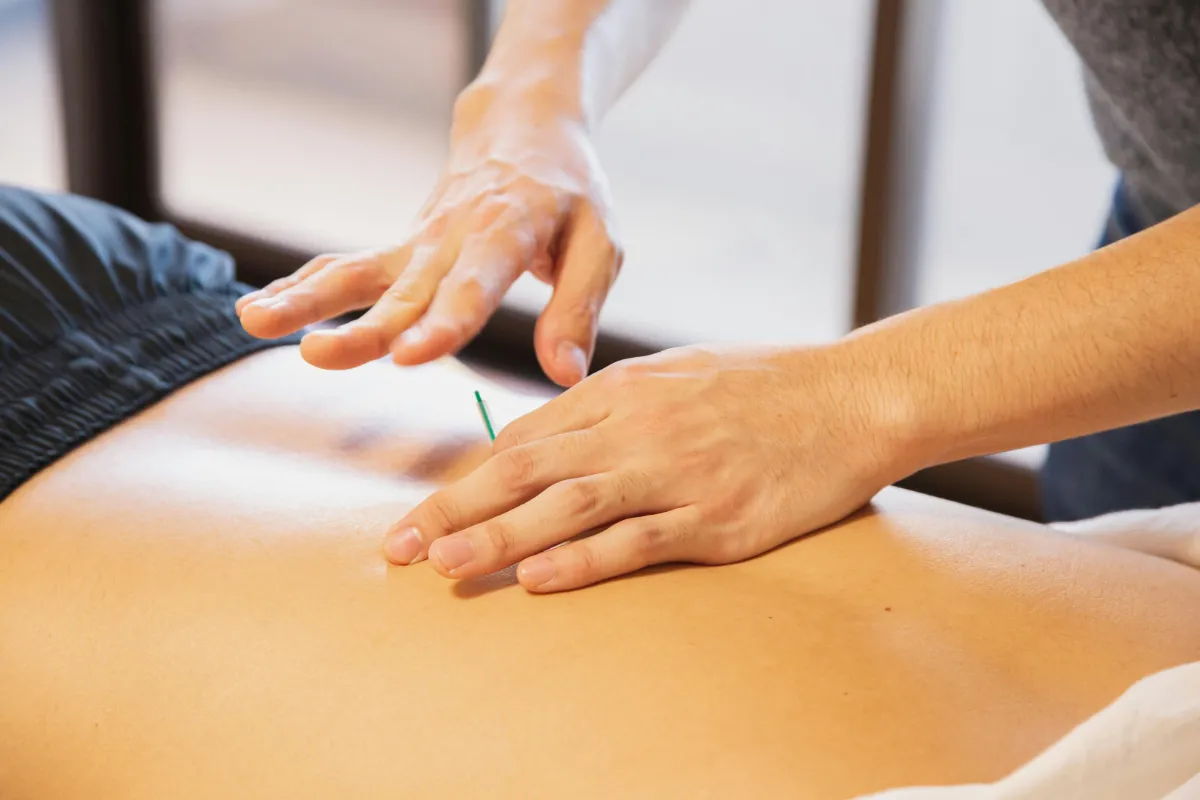
Empowering Stroke Patients and Their Families

At the heart of our stroke rehabilitation services is a commitment to empowering stroke survivors and their families to navigate the challenges of recovery with resilience and determination. We recognise the critical role that family members and caregivers play in the rehabilitation process and provide them with education, training, and support to facilitate the best possible outcomes for their loved ones.
Through ongoing communication, collaboration, and encouragement, we empower stroke survivors to take an active role in their recovery journey and equip them with the skills and resources they need to overcome obstacles and achieve their full potential. Together, we strive to build a supportive community of care that fosters hope, resilience, and independence for all those affected by stroke.
Tailored Exercises and Techniques to Enhance Movement
Constraint-Induced Movement Therapy (CIMT)
Constraint-induced movement therapy (CIMT) is a key technique employed in stroke rehabilitation, involving the restriction of the unaffected limb to promote intensive practice and relearning of motor skills in the affected limb. By limiting the use of the unaffected limb, CIMT encourages neuroplastic changes in the brain, leading to improvements in motor function and the ability to perform everyday activities. This evidence-based approach has been shown to be effective in promoting functional recovery and enhancing movement in stroke survivors.
Functional Electrical Stimulation (FES)
Functional electrical stimulation (FES) is another valuable technique used in stroke rehabilitation to stimulate weakened muscles and facilitate movement in the affected limb. By delivering electrical impulses to specific muscles, FES can help strengthen muscles, improve motor control, and enhance functional abilities. This modality is often incorporated into rehabilitation programs to promote muscle activation and motor recovery, ultimately enabling stroke survivors to regain independence in daily activities.
Treadmill Training
Treadmill gait training is a popular intervention in stroke rehabilitation aimed at improving walking ability and gait parameters. By providing structured and progressive treadmill-based exercises, therapists can target specific aspects of gait, such as stride length, walking speed, and weight-bearing capacity. Treadmill training sessions are tailored to individual needs and may include various techniques such as body-weight support, speed adjustments, and incline changes to challenge and improve walking function and gait training.
Task-Specific Training Exercises
Task-specific training exercises are integral to stroke rehabilitation, focusing on simulating real-life activities to improve upper limb function and coordination. These exercises aim to address functional goals by practicing tasks such as walking practice reaching, grasping, and lifting objects. Through repetitive and targeted practice, stroke survivors can regain strength, dexterity, and control in the affected limb, leading to increased independence and participation in daily activities.
Virtual Reality Training
Virtual reality training is an innovative approach to stroke rehabilitation that offers immersive environments and interactive tasks to promote motor learning and cognitive engagement. By using virtual reality systems, physical therapists can create dynamic and motivating therapy sessions that target specific movement patterns and functional goals. Virtual reality exercises are designed to challenge and stimulate the brain, helping stroke survivors improve motor function, coordination, and balance in a safe and controlled environment.
Customised Activities and Adaptations for Improved Quality of Life

Occupational Therapy Interventions to Enhance Daily Functionality and Independence
Occupational therapy focuses on improving independence in daily activities such as self-care, home management, work, and leisure activities. Occupational therapists use a variety of interventions, including task analysis, environmental modifications, adaptive equipment, and energy conservation techniques, to help stroke survivors achieve their functional goals.
Adaptive Strategies and Assistive Devices for Stroke Survivors
Following a stroke, many survivors encounter challenges in mobility, communication, and performing activities of daily living (ADLs). Occupational Therapists (OTs) play a crucial role in evaluating functional abilities, identifying barriers to independence, and implementing tailored interventions to support stroke survivors in regaining autonomy and quality of life. Adaptive strategies and assistive devices are integral components of OT interventions, offering practical solutions to address physical, cognitive, and psychosocial impairments.
Mobility Aids: OTs collaborate with stroke survivors to assess mobility limitations and recommend appropriate assistive devices to enhance safety and mobility. This may include selecting the most suitable cane, walker, or wheelchair based on the individual’s balance, strength, and coordination. OTs also provide training in proper use and manoeuvring of mobility aids to maximise independence and confidence in navigating various environments.
Communication Aids: For stroke survivors with communication difficulties, OTs offer a range of strategies and devices to facilitate effective interaction with others. Through alternative communication techniques such as using communication boards, speech-generating devices, or AAC apps, OTs empower individuals to express their needs, preferences, and emotions, fostering social participation and meaningful engagement in daily life.
Activities of Daily Living (ADL) Aids: OTs focus on promoting independence in ADLs by recommending adaptive equipment and teaching compensatory techniques to overcome functional challenges. From adaptive utensils and dressing aids to bathing and toileting aids, OTs tailor interventions to match the individual’s abilities and goals, enabling stroke survivors to maintain personal hygiene, grooming, and dressing routines with greater ease and confidence.
Cognitive and Memory Aids: Cognitive impairments such as memory loss, attention deficits, and executive dysfunction can pose significant barriers to independence and participation. OTs employ cognitive rehabilitation strategies and memory aids to support stroke survivors in managing daily tasks, organising information, and improving cognitive function. By implementing memory aids, organisers, and visual supports, OTs help individuals enhance their memory, attention, and problem-solving skills, facilitating greater autonomy and self-reliance.
Home Modifications and Environmental Adaptations: In addition to recommending assistive devices, OTs assess the home environment to identify potential safety hazards and barriers to independence. Through home modifications and environmental adaptations, such as installing grab bars, handrails, or ramps, OTs create a supportive and accessible living space that promotes mobility, safety, and independence for stroke survivors. By addressing environmental barriers, OTs empower individuals to navigate their home environment with confidence and ease, reducing the risk of falls and enhancing overall quality of life.
In conclusion, Occupational Therapists play a pivotal role in enhancing independence and quality of life for stroke survivors through the provision of adaptive strategies and assistive devices. By addressing physical, cognitive, and environmental challenges, OTs empower individuals to overcome obstacles, achieve their goals, and live life to the fullest following a stroke. Through collaborative and client-centred interventions, OTs facilitate meaningful engagement in daily activities, promote social participation, and support stroke survivors on their journey to recovery and rehabilitation.
Restoring Communication Skills: Speech Therapy Techniques for Stroke Survivors
Importance of Speech Therapy in Stroke Rehabilitation
Speech therapy plays a crucial role in stroke rehabilitation, particularly for individuals who experience communication difficulties as a result of stroke-related impairments. Stroke survivors may encounter challenges with speaking, understanding language, reading, and writing, impacting their ability to communicate effectively. Speech therapists, also known as speech-language pathologists (SLPs), employ a range of techniques and interventions to address these communication deficits and restore functional abilities.
Speech and Language Assessment
The first step in speech therapy for stroke survivors is a comprehensive assessment conducted by a qualified speech-language pathologist. This assessment involves evaluating various aspects of communication, including speech production, language comprehension, reading, and writing skills. Through standardized tests and clinical observations, the SLP identifies specific areas of impairment and develops individualized treatment plans tailored to the unique needs and goals of each stroke survivor.
Speech Therapy Techniques for Aphasia
Aphasia is a common language disorder that can occur after a stroke, affecting a person’s ability to speak, understand, read, and write. Speech therapy techniques for aphasia focus on improving language skills and facilitating communication. These may include:
Repetitive Task Training
Repetitive task training involves repeated practice of functional tasks and exercises to promote neuroplasticity and enhance language recovery. Stroke survivors engage in structured activities that target language production, comprehension, and expression, gradually improving their communication abilities over time.
Mental Practice
Mental practice is a technique that involves visualizing and mentally rehearsing speech and language tasks without physically speaking. Stroke survivors are guided through mental imagery exercises to strengthen neural pathways associated with language processing and production. This approach can supplement traditional speech therapy interventions and support language recovery efforts.
Functional Communication Strategies
Functional communication strategies focus on teaching stroke survivors alternative methods of communication to compensate for language difficulties. These may include using gestures, drawings, communication boards, or augmentative and alternative communication (AAC) devices to convey messages effectively. Speech therapists work collaboratively with stroke survivors to identify and implement strategies that facilitate successful communication in various contexts.
Swallowing and Dysphagia Management
In addition to their clinical practice in addressing speech and language impairments, speech therapists also play a vital role in managing swallowing disorders, known as dysphagia, which can occur following a stroke. Dysphagia can pose serious health risks, including aspiration pneumonia and malnutrition, if left untreated. Speech therapy techniques for dysphagia focus on improving swallowing function, safety, and efficiency through:
Swallowing Assessments
Speech therapists conduct thorough assessments to evaluate swallowing function and identify potential swallowing difficulties. This may involve clinical evaluations, bedside swallowing assessments, and instrumental assessments such as videofluoroscopy or fiberoptic endoscopic evaluation of swallowing (FEES).
Dysphagia Exercises
Dysphagia exercises are designed to strengthen swallowing muscles, improve coordination, and reduce the risk of aspiration during eating and drinking. These exercises may include tongue, lip, and jaw exercises, as well as swallowing maneuvers and sensory stimulation techniques to enhance swallowing function.
Modified Diet and Feeding Techniques
Based on the findings of swallowing assessments, speech therapists recommend appropriate diet modifications and feeding strategies to minimize the risk of choking and aspiration. This may involve modifying food and liquid textures, altering mealtime behaviors, and teaching compensatory swallowing techniques to improve safety and efficiency during meals.
Addressing Emotional Challenges: Psychological Support in Stroke Rehabilitation
Coping Strategies, Counseling, and Mental Health Support in Stroke Rehabilitation

Stroke rehabilitation is not solely about physical recovery; it encompasses emotional and psychological healing as well. Coping with the aftermath of a stroke can be overwhelming for both survivors and their loved ones. Therefore, integrating coping strategies, counseling, and mental health support into the rehabilitation process is essential for promoting holistic well-being and enhancing overall quality of life.
Coping Strategies: Coping with the physical and emotional consequences of stroke requires resilience and adaptive coping strategies. Occupational Therapists (OTs) and other members of the rehabilitation team work collaboratively with stroke survivors to develop effective coping mechanisms tailored to their individual needs. These strategies may include:
- Problem-Solving Skills: Teaching individuals how to identify challenges, brainstorm solutions, and implement action plans to address problems effectively.
- Positive Reframing: Encouraging individuals to reframe negative thoughts and emotions into more positive and constructive perspectives, fostering resilience and optimism.
- Stress Management Techniques: Introducing relaxation techniques such as deep breathing, mindfulness meditation, and progressive muscle relaxation to help reduce stress, anxiety, and tension.
- Social Support Networks: Facilitating connections with family, friends, support groups, and peer mentors to provide emotional support, encouragement, and practical assistance during the rehabilitation journey.
Counseling and Psychotherapy: Professional counseling and psychotherapy services play a crucial role in addressing the emotional and psychological impact of stroke on both survivors and their caregivers. Licensed psychologists, counselors, or social workers offer individual and group therapy sessions to help individuals:
- Process Emotions: Explore and express feelings of grief, loss, fear, frustration, or depression associated with stroke-related changes and limitations.
- Develop Coping Skills: Learn adaptive coping strategies, problem-solving techniques, and stress management skills to navigate challenges and enhance emotional resilience.
- Address Mental Health Concerns: Identify and address symptoms of depression, anxiety, post-traumatic stress disorder (PTSD), or adjustment disorder through evidence-based interventions such as cognitive-behavioral therapy (CBT) or acceptance and commitment therapy (ACT).
- Improve Communication and Relationships: Enhance communication skills, assertiveness, and conflict resolution strategies to maintain meaningful relationships and social connections with family, friends, and caregivers.
Peer Support and Mentoring: Engaging with peer support groups and mentorship programmes offers valuable opportunities for stroke survivors to connect with others who have shared experiences and similar challenges. Peer support provides a sense of belonging, validation, and understanding, while peer mentors offer practical guidance, encouragement, and hope based on their own recovery journeys. By sharing stories, insights, and strategies for coping and adaptation, peer support networks empower individuals to navigate the ups and downs of stroke recovery with greater resilience and optimism.
Family and Caregiver Support: Stroke rehabilitation extends beyond the individual survivor to encompass the broader network of family members, caregivers, and loved ones. Counseling and support services for caregivers address their unique needs, challenges, and emotional well-being, offering strategies for coping with caregiver stress, burnout, and role adjustments. By providing education, resources, and respite care, healthcare professionals support caregivers in their vital role as partners in the rehabilitation process, promoting mutual support, understanding, and collaboration within the caregiving dyad.
Promoting Emotional Wellbeing and Resilience
Psychological support aims to promote emotional wellbeing and resilience in stroke survivors, helping them adjust to life after acute stroke, and navigate the challenges of recovery. Through counseling and therapy, individuals can learn to identify and address negative thought patterns, develop effective coping strategies, and cultivate a positive outlook on their recovery journey.
Multidisciplinary Collaboration in Stroke Rehabilitation
Importance of Collaborative Care Among Healthcare Professionals
Stroke rehabilitation is a multidisciplinary endeavour that requires coordination, communication, and collaboration among healthcare professionals from various disciplines. The success of stroke rehabilitation depends on the seamless integration of medical expertise, therapeutic interventions, and supportive services to address the complex needs of stroke survivors comprehensively. Collaborative care among healthcare professionals ensures that stroke survivors receive timely, coordinated, and individualised care across the continuum of recovery, maximising outcomes and promoting long-term well-being.
Comprehensive Assessment and Care Planning: Collaborative care begins with a comprehensive assessment of the stroke survivor’s physical, cognitive, emotional, and social functioning by a multidisciplinary team of healthcare professionals. This holistic evaluation allows for a thorough understanding of the individual’s strengths, challenges, and goals, guiding the development of a personalised care plan that addresses their unique needs and preferences. By pooling expertise from diverse disciplines, including neurology, rehabilitation medicine, nursing, physiotherapy, occupational therapy, speech therapy, and psychology, the care team can formulate a comprehensive and integrated approach to stroke rehabilitation.
Individualised Treatment and Rehabilitation: Collaborative care ensures that stroke survivors receive individualised treatment and rehabilitation tailored to their specific impairments, functional goals, and personal preferences. Healthcare professionals work together to design and implement a coordinated plan of care that incorporates evidence-based interventions from multiple disciplines. This interdisciplinary approach allows for the delivery of a wide range of therapeutic modalities, including physical therapy, occupational therapy, speech therapy, cognitive rehabilitation, psychological support, and social work services, to address the diverse needs of stroke survivors across the continuum of recovery.
Continuity of Care and Transitions: Collaborative care promotes continuity of care and seamless transitions across healthcare settings, from acute care hospitals to inpatient rehabilitation facilities, outpatient clinics, and community-based services. Healthcare professionals communicate effectively and share information proactively to ensure that stroke survivors receive consistent, coordinated, and uninterrupted care as they move through different phases of rehabilitation and recovery. This interdisciplinary collaboration facilitates smooth transitions, reduces the risk of gaps in care, and optimises outcomes for stroke survivors and their families.
Shared Decision-Making and Patient-Centred Care: Collaborative care values the input and preferences of stroke survivors and their families, promoting shared decision-making and patient-centred care. Healthcare professionals engage in open, transparent communication with patients and caregivers, empowering them to actively participate in decision-making regarding their treatment goals, preferences, and care options. By involving stroke survivors as partners in their own care, collaborative care fosters autonomy, self-efficacy, and empowerment, enhancing satisfaction and adherence to rehabilitation interventions.
Interprofessional Education and Training: Collaborative care is supported by ongoing interprofessional education and training initiatives that promote teamwork, communication, and collaboration among healthcare professionals. Interprofessional learning opportunities, such as interdisciplinary rounds, case conferences, and continuing education programmes, provide opportunities for healthcare professionals to share knowledge, expertise, and best practices, fostering a culture of collaboration and mutual respect. By investing in interprofessional education and training, healthcare organisations cultivate a collaborative mindset and equip their teams with the skills and competencies needed to deliver high-quality, patient-centred care.
Coordinated Approach to Addressing Physical, Cognitive, and Emotional Needs
A coordinated approach to stroke rehabilitation involves integrating various disciplines to address the physical, cognitive, and emotional needs of stroke survivors. This may include regular team meetings to discuss progress, share insights, and adjust treatment plans accordingly, ensuring that each individual receives personalized care tailored to their unique needs and goals.
Benefits of Private Home Therapy for Stroke Recovery

Convenience and Comfort of Receiving Rehabilitation at Home
Private home therapy offers stroke survivors the convenience and comfort of receiving rehabilitation services in their own home environment. This eliminates the need for travel to a clinic or hospital, reducing stress and fatigue associated with transportation and waiting times.
Personalised Care Plans and Individualised Attention for Optimal Recovery
Private home therapy allows for personalized care plans tailored to the individual needs and goals of each stroke survivor. Therapists can provide individualized attention and support, focusing on specific areas of concern and adjusting treatment plans as needed to optimize recovery outcomes.
Choosing the Best Private Home Therapy Program
Factors to Consider When Selecting Rehabilitation Services
When choosing a private home therapy program for recovery, there are several factors to consider. These risk factors may include the expertise and experience of the therapists, the range of services offered, the flexibility of scheduling, and the convenience of home-based care.
Expertise, Experience, and Personalised Treatment Options for Effective Recovery
It’s essential to select a therapy provider with expertise in neurological disorders and experience in stroke rehabilitation. Look for therapists who are knowledgeable about the latest evidence-based practices and who can offer personalized treatment options tailored to your specific needs and goals.
Taking the Next Steps Towards Independence
Resources and Support for Continued Progress and Improvement
Recovery from stroke is a journey that requires ongoing effort, dedication, and support. As you continue on your recovery path, remember that there are resources and support available to help you along the way. Whether it’s through continued therapy and physical treatment, participation in support groups, or accessing community resources, know that you’re not alone on this journey.
Empowering People to Pursue Their Goals and Live Fulfilling Lives
Our ultimate goal is to empower people to pursue their goals, dreams, and aspirations, and to live fulfilling and meaningful lives. By providing comprehensive rehab services and support, we aim to help you regain your independence and confidence after stroke.