
Are you struggling with plantar fasciitis and seeking effective relief?
Home Rehab Therapists are here to help you overcome your heel pain and regain mobility. Explore our comprehensive physiotherapy techniques for plantar fasciitis relief and take the first step towards a pain-free life today.
Introduction
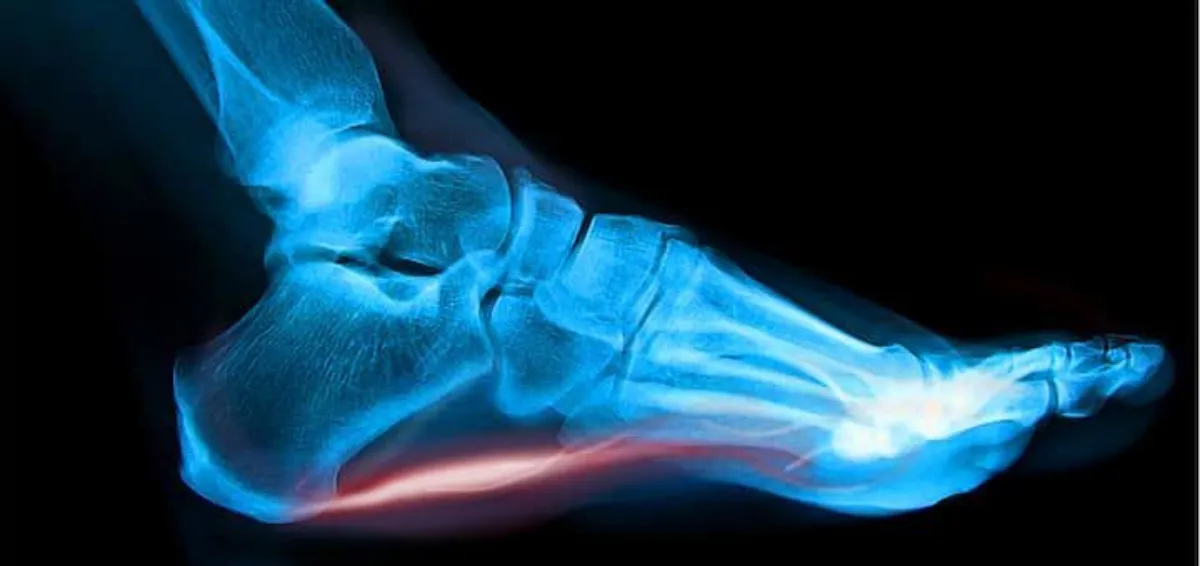
Plantar fasciitis is a common and often debilitating condition characterized by persistent heel pain, typically experienced with the first steps in the morning or after prolonged periods of rest. This condition occurs due to inflammation and micro-tears in the plantar fascia, a thick band of tissue that runs along the bottom of the foot, connecting the heel bone to the toes. While plantar fasciitis can significantly impair mobility and quality of life, effective management strategies, particularly through physiotherapy, offer hope for relief and recovery.
Can Physio Help Plantar Fasciitis?
Plantar fasciitis is a debilitating condition characterized by inflammation and micro-tears in the plantar fascia, often resulting in excruciating heel pain. Fortunately, physiotherapy stands as a beacon of hope for individuals grappling with this challenging condition. With its multifaceted approach and evidence-based interventions, physiotherapy offers a path towards intense pain relief, recovery, and restored mobility.
Expert Assessment and Diagnosis
One of the primary benefits of seeking physiotherapy for plantar fasciitis is the expert assessment and accurate diagnosis provided by qualified physiotherapists. Through a comprehensive evaluation, physiotherapists can accurately diagnose plantar fasciitis and identify any contributing factors that may be exacerbating the condition. This may include biomechanical abnormalities, muscular imbalances, or improper footwear choices. By gaining a thorough understanding of the underlying issues, physiotherapists can develop tailored treatment plans to address the root cause of the problem and alleviate symptoms effectively.
Targeted Treatment Interventions
Physiotherapy offers a diverse range of treatment interventions aimed at reducing pain, improving function, and promoting tissue healing in individuals with plantar fasciitis. These interventions may include:
Manual Therapy Techniques:
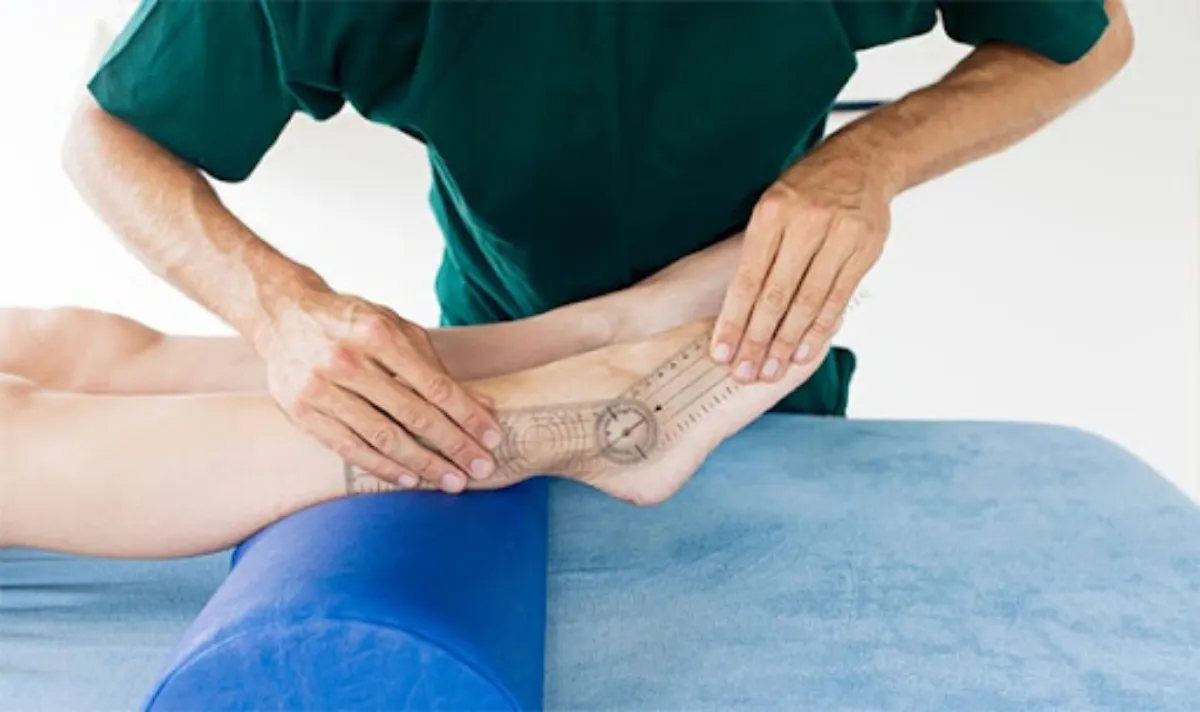
Physiotherapists may employ various hands-on techniques such as soft tissue massage, joint mobilizations, and myofascial release to alleviate tension in the plantar fascia and surrounding structures. By targeting tight muscles, adhesions, and trigger points, manual therapy techniques can help improve flexibility, significantly reduce pain,, and restore normal movement patterns in the foot and ankle.
Stretching and Strengthening Exercises:
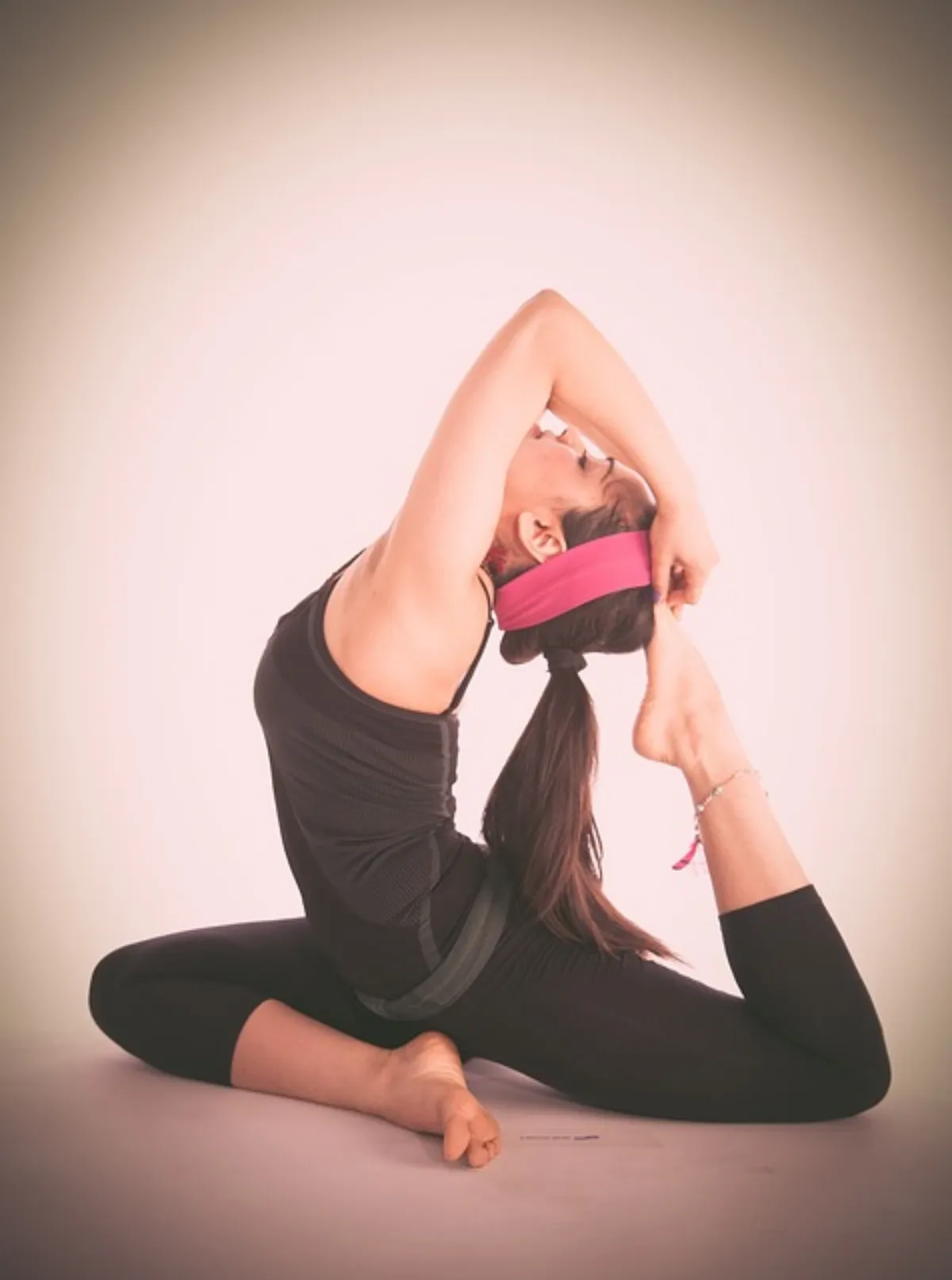
Stretching and strengthening exercises play a crucial role in the management of plantar fasciitis. Physiotherapists may prescribe specific exercises targeting where plantar fasciitis develops the calf muscles, Achilles tendon, and intrinsic foot muscles to improve flexibility, strength, and stability in the lower extremities. These exercises help alleviate strain on the plantar fascia, promote tissue healing, and prevent recurrence of symptoms.
Biomechanical Assessments and Gait Analysis:
Biomechanical assessments and gait analysis allow physiotherapists to identify any abnormal movement patterns or biomechanical imbalances that may be contributing to plantar fasciitis. By analyzing the way an individual walks or runs, physiotherapists can pinpoint areas of dysfunction and develop targeted interventions to address these issues. This may involve prescribing orthotic devices, footwear modifications, or gait retraining exercises to optimize foot mechanics and reduce stress on the plantar fascia.
Patient Education and Self-Management Strategies
In addition to hands-on treatment interventions, physiotherapy empowers individuals with plantar fasciitis through patient education and self-management strategies. Physiotherapists educate patients about the underlying causes of plantar fasciitis, common aggravating factors, and strategies for managing symptoms effectively. This may include advice on proper footwear selection, activity modification, and home exercises to complement in-clinic treatment. By equipping individuals patients with plantar fasciitis with the knowledge and skills to manage their condition independently, physiotherapy fosters long-term self-efficacy and encourages active participation in the healing process.
Collaborative Care and Holistic Approach

Physiotherapy embraces a collaborative approach to care, working closely with other healthcare professionals such as podiatrists, orthopedic surgeons, and sports physicians to ensure comprehensive management of plantar fasciitis. By collaborating with a multidisciplinary team, physiotherapists can offer holistic care that addresses the diverse needs of individuals with plantar fasciitis, from acute pain management to long-term rehabilitation and injury prevention. This collaborative approach ensures that individuals receive the most appropriate and effective treatment modalities tailored to their unique circumstances, ultimately optimizing outcomes and promoting recovery.
Best Exercises for Plantar Fasciitis

Effective management of plantar fasciitis often involves a combination of targeted exercises aimed at stretching, strengthening, and stabilizing the foot and ankle. By incorporating specific exercises into your daily routine, you can alleviate pain, improve flexibility, and promote tissue healing in the plantar fascia. Here are some of the best exercises recommended by physiotherapists for individuals with plantar fasciitis:
Calf Stretching Exercises
Tightness in the calf muscles can exacerbate tension on the plantar fascia, leading to increased pain and discomfort. Calf stretching exercises help alleviate this tension by promoting flexibility and mobility in the calf muscles and Achilles tendon. To perform a calf stretch:
- Stand facing a wall with your hands placed against the wall at shoulder height.
- Step one foot back and keep it straight, with the heel firmly planted on the ground.
- Bend the front knee while keeping the back leg straight, until you feel a stretch in the calf of the back leg.
- Hold the stretch for 20-30 seconds, then switch sides and repeat.
Performing these calf muscle stretching exercises several times a day can help reduce tightness in the calf muscles and alleviate strain on the plantar fascia.
Plantar Fascia Stretch
Stretching the plantar fascia directly can help relieve tension and promote healing in individuals with plantar fasciitis. To perform a plantar fascia stretch:
- Sit on a chair and cross one foot over the opposite knee.
- Using your hand, gently pull back on the toes of the crossed foot until you feel a stretch along the bottom of the foot.
- Hold the stretch for 20-30 seconds, then release.
- Repeat the stretch several times on each foot, especially before getting out of bed in the morning or after prolonged periods of sitting.
Towel Scrunches
Towel scrunches are a simple yet effective exercise for strengthening the muscles of the foot and promoting arch support. To perform towel scrunches:
- Sit on a chair with your feet flat on the floor and place a small towel on the ground in front of you.
- Using your toes, scrunch the towel towards you, gathering it up into a ball.
- Hold the scrunch for a few seconds, then release and repeat.
- Aim to complete 10-15 repetitions, gradually increasing the intensity as your foot muscles strengthen.
Towel scrunches help improve strength and coordination in the muscles of the foot, providing support to the arch and reducing strain on the plantar fascia.
Toe Curls

Toe curls are another effective exercise for strengthening the muscles of the foot and promoting arch support. To perform toe curls:
- Sit on a chair with your feet flat on the floor.
- Keeping your heels on the ground, curl your toes towards the sole of your foot.
- Hold the curl for a few seconds, then release and repeat.
- Aim to complete 10-15 repetitions, gradually increasing the intensity as your foot muscles strengthen.
Toe curls help improve strength and flexibility in the muscles of the foot, providing support to the arch and reducing strain on the plantar fascia.
Arch Strengthening Exercises
Weakness in the muscles of the foot can contribute to instability and increased stress on the plantar fascia. Arch strengthening exercises help improve muscle strength and stability in the foot, reducing the risk of injury and promoting proper foot mechanics. Some effective arch strengthening exercises include:
- Arch Raises: Sit on a chair with your feet flat on the floor. Slowly lift your arches off the ground, raising them as high as you can without causing pain. Hold the position for a few seconds, then lower your arches back down. Repeat for 10-15 repetitions.
- Marble Pickup: Place a bowl of marbles on the floor and sit on a chair with your feet flat on the ground. Using your toes, pick up one marble at a time and place it in a separate bowl. Continue until all marbles have been transferred. This exercise helps strengthen the muscles of the foot and promote arch support.
Incorporating these exercises into your daily routine can help alleviate pain, improve flexibility, and promote healing in the plantar fascia. However, it’s essential to consult with a physiotherapist or healthcare professional before starting any new exercise program, especially if you have a pre-existing medical condition or injury.
Does Plantar Fasciitis Ever Go Away?

With appropriate treatment and management, plantar fasciitis can resolve over time. However, the duration of recovery varies depending on factors such as the severity of the condition, adherence to treatment protocols, and individual response to therapy. Early intervention and consistent physiotherapy are key in achieving positive outcomes and preventing the recurrence of symptoms. By addressing the underlying causes of plantar fasciitis and implementing targeted interventions, physiotherapists can facilitate the healing process and empower patients to reclaim their mobility and quality of life.
What Happens if You Wait Too Long to Start Physical Therapy?
Delaying physiotherapy treatment for plantar fasciitis can prolong symptoms and increase the risk of complications. Without intervention, chronic plantar fasciitis may develop, leading to persistent pain and functional limitations. Additionally, waiting too long to seek treatment may necessitate more aggressive interventions such as corticosteroid injections or even surgery to alleviate symptoms. Thus, early intervention is crucial in preventing the progression of plantar fasciitis and promoting optimal outcomes for patients. By seeking prompt treatment at the onset of symptoms, individuals can avoid unnecessary suffering and expedite the healing process.
The Role of Expert Physiotherapy: Your Path to Lasting Plantar Fasciitis Relief

Expert physiotherapy plays a pivotal role in the management of plantar fasciitis, offering comprehensive care tailored to the individual needs of patients. Physiotherapists conduct thorough clinical assessments to identify contributing factors and develop personalized treatment plans aimed at reducing pain, improving function, and promoting long-term recovery. Through a combination of hands-on techniques, therapeutic exercises, and patient education, physiotherapy empowers individuals to actively participate in their healing journey and regain control over their foot health.
Anatomy of the Plantar Fascia
The plantar fascia is a thick band of fibrous tissue that runs along the bottom of the foot, connecting the heel bone to the toes. It plays a crucial role in supporting the arch of the foot and absorbing shock during weight-bearing activities. The plantar fascia is subjected to significant stress and strain, particularly during activities such as walking, running, and jumping. When subjected to excessive tension or repetitive stress, the plantar fascia can become inflamed and irritated, leading to the development of plantar fasciitis.
Causes of Plantar Fasciitis
Plantar fasciitis can arise from a variety of factors, including biomechanical issues, overuse, and inadequate footwear. Individuals who engage in activities that place repetitive stress on the feet, such as running or standing for prolonged periods, are at an increased risk of developing plantar fasciitis. Other risk factors include obesity, flat feet, high arches, and tight calf muscles. Additionally, structural abnormalities such as abnormal foot mechanics or leg length discrepancies can contribute to the development of plantar fasciitis.
Physio for Plantar Fasciitis
Physiotherapy treatment for plantar fasciitis typically begins with a thorough assessment to identify contributing factors and develop a personalized treatment plan. Common interventions include manual therapy techniques such as massage and joint mobilizations to alleviate pain and improve mobility. Stretching exercises targeting the calf muscles and Achilles tendon help reduce tension on the plantar fascia, while strengthening exercises aim to improve foot stability and function. Additionally, modalities such as ultrasound or laser therapy may be used to promote tissue healing and reduce inflammation.
Sports physical therapy focuses on addressing the specific needs of athletes with plantar fasciitis, helping them return to their sport safely and effectively. Treatment may include biomechanical assessments to identify factors contributing to injury, as well as sport-specific exercises and training modifications to prevent recurrence. Sports physical therapists work closely with athletes to develop tailored rehabilitation programs aimed at restoring function, optimizing performance, and reducing the risk of future injuries.
Corticosteroid Injections for Plantar Fasciitis
Corticosteroid injections may be used as a short-term treatment option for the plantar fasciitis pain in cases where conservative measures have failed to provide adequate relief. These injections deliver powerful anti-inflammatory medication directly to the site of pain, providing rapid pain relief and reducing inflammation. However, corticosteroid injections are not without risks and may cause complications such as plantar fascia rupture or fat pad atrophy. Therefore, they are typically reserved for cases of severe or refractory plantar fasciitis.
Achilles Tendon: A Key Player
The Achilles tendon, linking calf muscles to the heel bone, is pivotal in foot biomechanics. Its health significantly impacts plantar fasciitis. Tightness in this tendon can increase stress on the plantar fascia, exacerbating symptoms. Physiotherapy interventions targeting Achilles tendon flexibility and strength play a vital role in plantar fasciitis management. Stretching and strengthening exercises, along with manual therapy techniques, can alleviate tension and improve mobility, contributing to effective plantar fasciitis treatment.
Night Splints for Plantar Fasciitis
Night splints are devices worn during sleep to maintain the foot and ankle in a dorsiflexed position, stretching the plantar fascia and Achilles tendon. This prolonged stretch helps prevent the tightening of the plantar fascia that occurs overnight, reducing morning pain and stiffness. Night splints are often recommended as part of a comprehensive treatment plan for plantar fasciitis, particularly for individuals who experience significant morning pain. However, compliance with night splint use can be challenging, and some individuals may find them uncomfortable to wear.
Rehabilitation Exercises for Plantar Fasciitis
Rehabilitation exercises are an essential component of the treatment plan for plantar fasciitis, aimed at restoring strength, flexibility, and function to the affected foot. These exercises may include calf stretches, toe curls, and towel scrunches to improve flexibility and mobility in the foot and ankle. Additionally, balance and proprioception exercises help improve stability and reduce the risk of falls. Rehabilitation exercises are typically performed under the guidance of a physiotherapist and may be progressed over time as the individual’s symptoms improve.
Tissue Healing in Plantar Fasciitis
Tissue healing in plantar fasciitis is a complex process that involves the repair and regeneration of damaged tissues in the plantar fascia. Initially, the body responds to injury by initiating an inflammatory response, characterized by swelling, redness, and pain. This inflammatory phase is followed by a proliferative phase, during which new tissue is formed to replace the damaged tissue. Finally, the remodeling phase occurs, during which the newly formed tissue matures and strengthens. Physiotherapy interventions aim to support and optimize the tissue healing process, promoting optimal outcomes for individuals with plantar fasciitis.
Patient Education for Plantar Fasciitis
Patient education is a crucial component of the treatment plan for plantar fasciitis, empowering individuals to take an active role in their recovery and long-term foot health. Physiotherapists provide information on the underlying causes of plantar fasciitis, as well as strategies for managing symptoms and preventing recurrence. This may include advice on footwear selection, activity modification, and self-care techniques such as stretching and strengthening exercises. By equipping individuals with the knowledge and skills to manage their condition effectively, patient education plays a vital role in achieving positive outcomes for individuals with plantar fasciitis.
Proper Treatment of Plantar Fasciitis

Proper treatment of plantar fasciitis involves a multifaceted approach aimed at addressing the underlying causes of the condition and relieving symptoms. This may include physiotherapy interventions such as manual therapy, stretching exercises, and strengthening protocols to improve flexibility, mobility, and strength in the foot and ankle. Additionally, adjunct treatments such as corticosteroid injections, orthotic devices, and night splints may be recommended to alleviate pain and support the healing process. By combining various treatment modalities, individuals can achieve lasting relief from plantar fasciitis and prevent recurrence of symptoms.
Clinical Assessment for Plantar Fasciitis

Clinical assessment for plantar fasciitis involves a thorough evaluation of the foot and ankle, focusing on identifying contributing factors and developing an appropriate treatment plan. This may include a physical examination to assess range of motion, strength, and stability in the foot and ankle, as well as special tests to elicit pain and assess tissue integrity. Additionally, imaging studies such as X-rays or ultrasound may be ordered to rule out other potential causes of heel and foot pain, and confirm the diagnosis of plantar fasciitis. By conducting a comprehensive clinical assessment, physiotherapists can tailor treatment plans to meet the individual needs of each patient.
Preventing Plantar Fasciitis: Tips for Foot Health

Preventing and treating plantar fasciitis often involves adopting healthy lifestyle habits and minimizing risk factors for the condition. This may include wearing supportive footwear with adequate arch support and cushioning to reduce stress on the plantar fascia. Additionally, maintaining a healthy weight and engaging in regular physical activity can help improve overall foot health and reduce the risk of injury. Proper warm-up and cool-down routines before and after exercise can also help prevent muscle tightness and strain on the plantar fascia. By incorporating these preventive measures into daily life, individuals can protect their feet from injury and maintain optimal foot health.
Conclusion
Plantar fasciitis is a common and often debilitating condition that can significantly impact mobility and quality of life. However, with proper treatment and management, individuals can experience relief from symptoms and regain function in their feet. Physiotherapy plays a crucial role in the holistic management of plantar fasciitis, offering a range of interventions aimed at reducing pain, improving mobility, and promoting tissue healing. By addressing the underlying causes of plantar fasciitis and developing personalized treatment plans, physiotherapists empower individuals to take control of their recovery and achieve lasting relief from this condition.