
Take control of your health and wellness. Get in touch with Home Rehab Therapists to arrange a convenient in-home appointment with our skilled physiotherapists.

Introduction to Orthopedic Physiotherapy: Understanding Your Path to Recovery
Orthopedic physiotherapy plays a crucial role in the rehabilitation journey of individuals suffering from musculoskeletal conditions, including fractures, sprains, and arthritis. This specialised branch of physiotherapy focuses on restoring mobility, reducing pain, and enhancing functionality in patients with orthopedic issues.
Understanding the fundamentals of orthopedic physiotherapy is vital for those seeking effective pain relief and recovery.
Definition of Orthopedic Physiotherapy
Orthopedic physiotherapy is a specialized area within the broader field of physical therapy that focuses on the assessment, diagnosis, and treatment of musculoskeletal conditions. These conditions may affect the bones, joints, muscles, ligaments, and tendons, leading to pain, limited mobility, and impaired function.
Orthopedic Physio London
Our orthopaedic physiotherapy services in London offer specialised care for a range of musculoskeletal conditions, including fractures, sprains, and arthritis.
At Home Rehab Therapists, we understand the importance of personalised treatment plans tailored to each individual’s needs and goals.
Our skilled physiotherapists provide comprehensive assessments and evidence-based interventions to promote pain relief, improve mobility, and enhance overall function.
Importance of Orthopedic Physiotherapy in Rehabilitation
The primary goal of orthopedic physiotherapy is to restore optimal function and mobility to the affected body part, thereby improving the patient’s quality of life. By addressing musculoskeletal issues through targeted interventions, physiotherapists aim to reduce pain, gradually increase strength and flexibility, and facilitate a return to normal activities.
Overview of Orthopedic Conditions Addressed
Orthopedic physiotherapy addresses a wide range of conditions, including but not limited to fractures, sprains, strains, arthritis, and post-surgical rehabilitation. Each condition requires a tailored approach to treatment, taking into account the specific needs and goals of the individual patient.
Exploring Orthopedic Conditions: A Comprehensive Overview
Musculoskeletal conditions can have a significant impact on an individual’s daily life and overall well-being. Understanding the common orthopedic conditions and their negative effects is essential for effective management and rehabilitation.
Common Orthopedic Conditions
Broken Ankle/Ankle Fracture

Ankle fractures are among the most common orthopedic injuries, often resulting from falls, sports injuries, or trauma. They can cause severe pain, swelling, and difficulty walking. Treatment may involve immobilization, surgery, and physiotherapy to restore leg, foot and ankle mobility and strength.
Arthritis
Arthritis is a degenerative condition that affects the joints, leading to pain, stiffness, and reduced mobility. Physiotherapy interventions such as exercise, manual therapy, and joint protection techniques can help manage symptoms and improve joint function.
Calf Muscles
Calf injuries, such as strains and tears, can be challenging to manage without proper rehabilitation. At Home Rehab Therapists, our physiotherapists are experienced in treating calf injuries and helping individuals regain function in their lower limbs.
Through targeted exercises, stretching techniques, and manual therapy, we work to strengthen the calf muscles, improve flexibility, and reduce the risk of re-injury. Our goal is to support individuals in returning to their usual activities with confidence and comfort.
Sprains and Strains
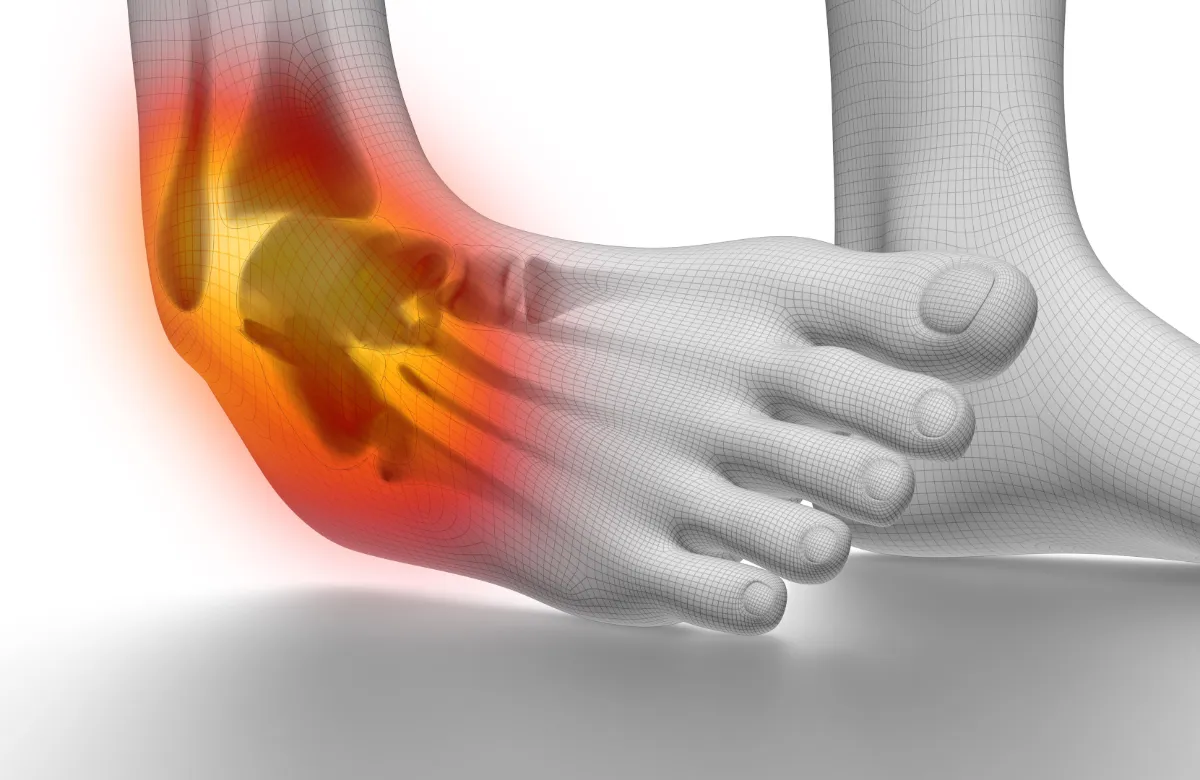
Sprains involve stretching or tearing of ligaments, while strains involve injury to muscles or tendons. These injuries commonly occur in the ankle, foot, ankle, knee, and shoulder joints and may require a combination of rest, rehabilitation exercises, and therapeutic modalities for recovery.
The Vital Role of a Physical Therapist in Orthopedic Rehabilitation
Physiotherapy plays a crucial role in the comprehensive management of orthopedic conditions, serving as a key component of rehabilitation programs aimed at promoting recovery and restoring function.
Importance of Early Intervention
Early intervention in orthopaedic rehabilitation is paramount for ensuring optimal outcomes and facilitating a smooth recovery process.
By seeking prompt assessment and treatment, individuals can address musculoskeletal issues before they escalate, preventing secondary complications and minimising functional decline.
Timely diagnosis allows for the development of targeted treatment plans, incorporating physiotherapy exercises, manual therapy, and therapeutic modalities to promote healing and restore normal function.
Additionally, early engagement in rehabilitation efforts enhances treatment efficacy and patient satisfaction. By taking proactive steps towards recovery, individuals can regain mobility, alleviate pain, and improve their overall quality of life more quickly.
Through timely access to orthopaedic rehabilitation services, patients feel supported and empowered, leading to greater motivation, adherence to treatment plans, and ultimately, improved outcomes in their orthopaedic rehabilitation journey.
Goals of Orthopedic Physiotherapy
The primary goals of orthopedic physiotherapy include reducing pain, restoring range of motion, improving muscle strength and flexibility, enhancing functional abilities, and promoting overall physical well-being.
By addressing these goals through targeted interventions simple exercises, physiotherapists help patients regain independence and return to their desired activities.
Orthopedic physiotherapists often work collaboratively with orthopedic surgeons, sports medicine physicians, and other healthcare providers to ensure comprehensive care for patients with musculoskeletal conditions.
This multidisciplinary approach allows for integrated treatment planning and coordination of services to meet the diverse needs of patients.
Unlocking Benefits: How Orthopedic Physiotherapy Brings Relief

Orthopedic physiotherapy offers a full range of of benefits for individuals recovering from musculoskeletal injuries or conditions. From pain relief to improved mobility and function, physiotherapy interventions play a crucial role in facilitating recovery and enhancing quality of life.
Pain Management Strategies
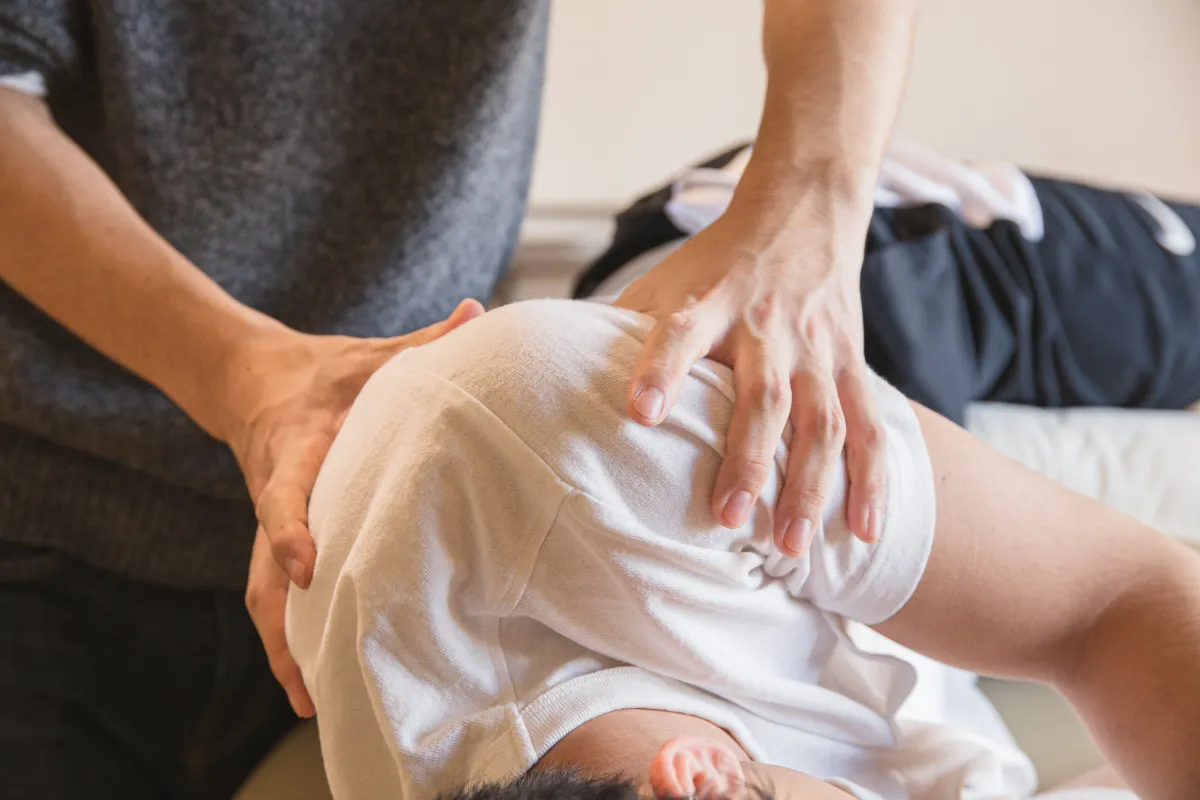
One of the primary objectives of orthopedic physiotherapy is to reduce pain and discomfort associated with musculoskeletal conditions.
Physiotherapists employ various techniques such as manual therapy, therapeutic modalities, and exercise prescription to alleviate pain and promote healing.
Improvement in Range of Motion and Flexibility
Many orthopedic conditions can result in stiffness and restricted range of motion in the affected joints.
Physiotherapy interventions, including joint mobilisation, stretching exercises, and range of motion activities, are designed to restore normal movement patterns and flexibility of ankle joint, allowing patients to perform daily activities with greater ease.
Enhancing Functional Abilities
Orthopedic physiotherapy focuses on improving functional abilities such as walking, standing, bending, and lifting, and other leg using which may be compromised due to injury or pain.
Through targeted exercise programs and functional training, physiotherapists help patients regain strength, balance, and coordination, enabling them to resume their usual activities and participate in recreational pursuits.
Key Techniques in Orthopedic Physiotherapy: What You Need to Know
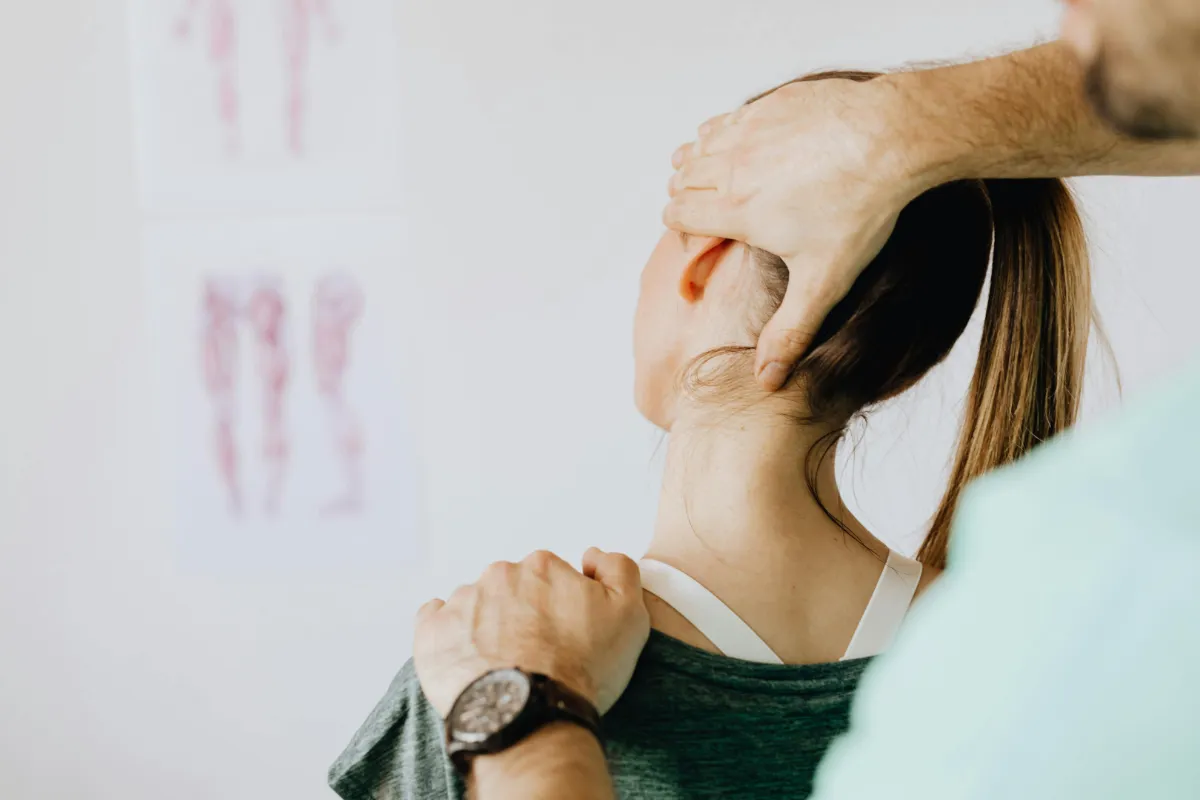
Orthopedic physiotherapy employs a variety of techniques to address the specific needs of patients and facilitate optimal recovery. Understanding these techniques is essential for individuals undergoing orthopedic rehabilitation.
Manual Therapy Techniques
Manual therapy techniques are hands-on interventions performed by physiotherapists to mobilise joints, manipulate soft tissues, and alleviate pain and stiffness. These techniques may include joint mobilisation, soft tissue massage, myofascial release, and trigger point therapy, aimed at improving joint mobility and function.
Therapeutic Exercises
Exercise therapy forms the cornerstone of orthopedic rehabilitation, helping to strengthen muscles, improve flexibility, and enhance overall physical fitness.
Physiotherapists prescribe specific exercises tailored to each patient’s condition and goals, focusing medical attention on areas such as strength, endurance, balance, and proprioception.
Modalities
Therapeutic modalities such as ultrasound, electrical stimulation, heat therapy, and cold therapy are commonly used adjuncts to orthopedic physiotherapy. These modalities can help reduce pain, inflammation, and swelling, promote tissue healing, and improve blood flow to the affected area, complementing other treatment approaches.
Assessing Orthopedic Issues: The First Step to Recovery

Effective assessment of orthopedic issues is essential for developing targeted treatment plans and guiding the rehabilitation process.
Physiotherapists employ various assessment tools and techniques to evaluate the extent of injury, identify underlying impairments, and establish baseline measures for monitoring progress.
Initial Evaluation Process
The initial evaluation typically involves a comprehensive assessment of the patient’s medical history, including the nature and mechanism of injury, previous treatments, and functional limitations. Physiotherapists may also perform objective tests such as range of motion measurements, strength testing, and functional assessments to gather relevant information.
Diagnostic Tests and Assessments
In some cases, diagnostic imaging studies such as X-rays, MRI scans, or CT scans may be ordered to confirm the diagnosis and assess the extent of tissue damage. These imaging studies help physiotherapists visualize the underlying structures affected by the injury or condition, guiding the development of an appropriate treatment plan.
Identifying Individual Needs and Goals
Each patient’s rehabilitation journey is unique, requiring a personalised approach tailored to support their specific needs, goals, and preferences. Physiotherapists collaborate closely with patients to establish realistic treatment goals and develop a customized rehabilitation program that addresses their unique challenges and aspirations.
Tailored Treatment Plans: Personalised Approaches for Effective Results
Orthopedic physiotherapy emphasises the importance of individualized treatment plans tailored to the specific needs and goals of each patient.
By addressing the underlying impairments and functional limitations, physiotherapists aim to optimise outcomes and promote long-term recovery.

Individualised Exercise Programs
Exercise prescription is a fundamental component of orthopedic rehabilitation, with tailored exercise programs designed to address specific impairments, improve strength and flexibility, and enhance functional abilities. Physiotherapists prescribe a variety of exercises targeting different muscle groups and movement patterns, gradually progressing intensity and difficulty as tolerated by the patient.
Customised Manual Therapy Interventions
Manual therapy techniques are integral to orthopedic physiotherapy, offering hands-on interventions to mobilise joints, release soft tissues, and alleviate pain and stiffness. Physiotherapists employ a range of manual therapy techniques tailored to each patient’s needs, preferences, and response to treatment, adjusting techniques as necessary to optimise outcomes.
Continual Adjustment Based on Progress
Orthopedic rehabilitation is an ongoing process that requires continual assessment and adjustment of treatment plans based on the patient’s progress and response to intervention. Physiotherapists monitor patient outcomes closely, modifying treatment strategies, exercise programs, and therapeutic interventions as needed to ensure optimal results and prevent setbacks.
Hands-On Healing: The Power of Manual Therapy in Orthopedic Care

Manual therapy plays a central role in orthopedic physiotherapy, offering hands-on techniques to address pain, stiffness, and dysfunction in the musculoskeletal system. From joint mobilisation to soft tissue manipulation, manual therapy interventions are tailored to the individual needs of patients to facilitate recovery and improve outcomes.
Role of Manual Therapy in Pain Reduction
Manual therapy techniques such as joint mobilization, soft tissue massage, and myofascial release can help reduce pain and discomfort associated with musculoskeletal conditions. By targeting specific structures and addressing underlying impairments, manual therapy interventions promote relaxation, alleviate muscle tension, and enhance pain relief, allowing patients to participate more fully in rehabilitation activities.
Techniques for Joint Mobilisation and Soft Tissue Release
Joint mobilisation techniques involve passive movements applied to the affected joint by the physiotherapist, aiming to restore normal joint mechanics, reduce stiffness, and improve range of motion. Soft tissue stretch and release techniques focus on mobilising and stretching tight muscles, fascia, and connective tissues, promoting tissue flexibility, and reducing restrictions that may impede movement.
Improving Joint Function and Stability
By enhancing joint mobility, flexibility, and neuromuscular control, manual therapy interventions contribute to improved joint function and stability, reducing the risk of re-injury and optimising functional outcomes. Physiotherapists employ a variety of manual techniques tailored to the specific needs and preferences of each patient, guiding them through the rehabilitation process to achieve optimal results.
Exercise Therapy Essentials: Strengthening Your Way to Recovery
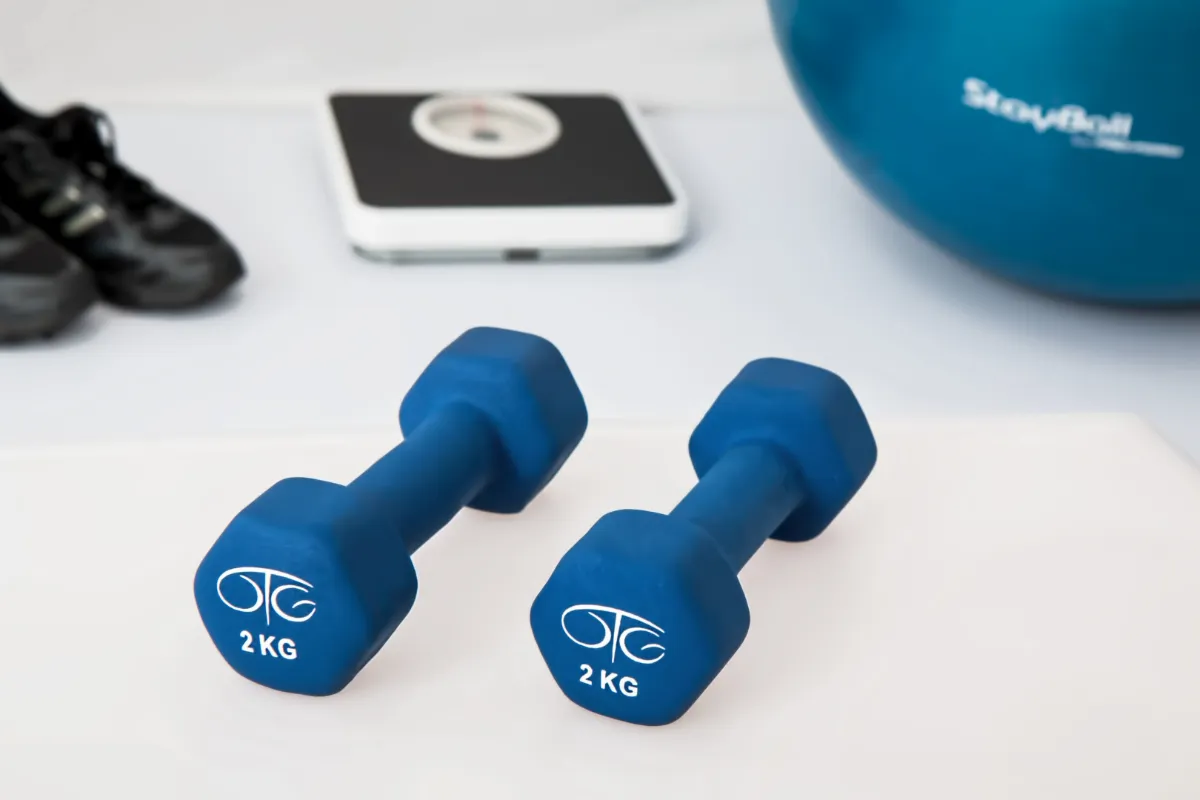
Exercise therapy is a cornerstone of orthopedic rehabilitation, offering a safe and effective means of improving strength, flexibility, and functional abilities following musculoskeletal injury or surgery. From simple mobility exercises to advanced strength training techniques, exercise therapy plays a crucial role in promoting recovery and restoring optimal function.
Importance of Exercise in Orthopedic Rehabilitation
Exercise therapy is essential for promoting tissue healing, restoring muscle strength and flexibility, improving joint mobility, and enhancing overall physical function following orthopedic injury or surgery. By targeting specific muscle groups and movement patterns, exercise interventions address underlying impairments, reduce pain, and improve functional abilities, facilitating a safe and timely return to activity.
Types of Exercises for Different Conditions
The selection of exercises in orthopedic rehabilitation depends on the nature and severity of the injury, as well as the individual needs and goals of the patient. Physiotherapists prescribe a variety of exercises targeting different muscle groups and movement patterns, including strengthening exercises, flexibility exercises, balance and motion exercises, proprioception exercises, and functional activities tailored to each patient’s condition and stage of recovery.
Gradual Progression and Monitoring
Exercise programs in orthopedic rehabilitation are typically progressed gradually over time, with physiotherapists adjusting the intensity, duration, and complexity of exercises based on the patient’s tolerance, progress, and response to intervention. Regular monitoring of exercise performance and outcomes allows for timely modifications to the treatment plan, ensuring optimal results and minimising the risk of complications or setbacks.
Conclusion
Orthopedic physiotherapy plays a vital role in the management and rehabilitation of musculoskeletal conditions, offering personalised interventions to reduce pain, restore function, and promote recovery.
By understanding the principles of orthopedic physiotherapy and engaging their healthcare provider in tailored treatment plans, individuals can embark on a pathway to pain relief and improved quality of life. Through collaborative efforts between patients and physiotherapists, orthopedic rehabilitation aims to optimise outcomes and facilitate a return to optimal function and mobility.