

Are you among the countless individuals tired of grappling with chronic low back pain? At Home Rehab Therapists, our mission is to provide personalised care and effective solutions to help you reclaim your life from the grips of low back pain again.
In this article, we’ll look into the causes, symptoms, and treatment options for chronic low back pain, offering insights into how our specialised physiotherapy services can bring quick relief right to your doorstep.
Back Pain Won’t Wait. Call Us Today for Relief!
Physiotherapists Specialising in Back Pain Treatment
Our team of physiotherapists in London have helped countless patients with back pain conditions, whether it was a simple back pain or a more serious or chronic one. Our physiotherapists uses the latest techniques to treat your lower back pain, using their experience to choose the treatment that will suit your specific lower back pain condition.
Our back pain specialist have years of experience in back pain patients creating personalised treatment plans to address the root causes of back pain, promoting long-term recovery and overall spinal health and wellbeing.
Home Visits in London and Home Counties
At Home Rehab Therapists, we understand the challenges individuals face when dealing with acute and chronic low back pain here. That’s why we offer convenient home visits in London and the Home Counties.
Our tailored approach to physiotherapy emphasises the importance of patient-centred primary care management, and best practices, ensuring that you receive the highest quality treatment in the comfort of your own environment.
Dealing with acute or chronic low or back pain can be physically exhausting, making the prospect of travelling to a clinic daunting. Your home and work environment also presents unique challenges and opportunities for rehabilitation. Our physiotherapists tailor treatment plans to address everyday scenarios, such as sitting, standing, or getting in and out of bed, ensuring that you can apply therapeutic techniques to real-life situations.
Back Pain Information, Back Pain Exercises & Physiotherapy tips to treat your back and leg pain yourself
Exercises to Try at Home for Back Pain Relief
Engaging in targeted exercises at home can be instrumental in alleviating back pain and promoting overall spinal health. At Home Rehab Therapists, we advocate for a proactive approach to managing back pain through regular exercise tailored to your specific needs and abilities. Here are some simple yet effective exercises you can incorporate into your daily routine to help relieve back pain and strengthen your back muscles:
- Pelvic Tilts: Lie on your back with your knees bent and feet flat on the floor. Gently tighten your abdominal muscles and tilt your pelvis upwards, flattening your lower back against the floor. Hold for a few seconds, then release. Repeat 10-15 times.
- Hamstring Stretches: Lie on your back with one leg bent and the other extended straight out. Gently pull the straight leg towards you, feeling a stretch in the back of your thigh. Hold for 15-30 seconds, then switch legs. Repeat 2-3 times on each side.
- Cat-Cow Stretch: Start on your hands and knees, with your wrists directly under your shoulders and your knees under your hips. Inhale as you arch your back, lifting your head and tailbone towards the ceiling (Cow Pose). Exhale as you round your spine, tucking your chin to your chest and drawing your belly button towards your spine (Cat Pose). Repeat for 5-10 breaths.
- Bridge Exercise: Lie on your back with your knees bent and feet flat on the floor, hip-width apart. Press into your heels as you lift your hips towards the ceiling, engaging your glutes and core muscles. Hold for a few seconds, then lower back down. Repeat 10-15 times.
- Wall Sit: Stand with your back against a wall and slide down until your knees are bent at a 90-degree angle. Hold this position for 30-60 seconds, focusing on engaging your core and thigh muscles. Slowly rise back up and repeat 2-3 times.
Incorporating these exercises into your daily routine can help improve flexibility, strengthen core muscles, and reduce back pain over time. However, it’s important to listen to your body and avoid any movements that cause pain or discomfort. For personalised back exercise therapy recommendations and guidance, don’t hesitate to consult with one of our experienced physiotherapists.
How can I tell if my symptoms are back pain-related?
Depending on the underlying causes, back pain can be felt in different ways:
- A dull sensation in the lower back
- A burning pain coming down from the lower back to the backs of the thighs, sometimes into the lower legs or feet, which may be accompanied by numbness or tingling (symptoms of sciatica).
- Back Muscle spasms and tightness in the lower back, pelvis and hips
- Sharp, stabbing pain in the back
- Back Pain that worsens after prolonged sitting or standing
- Difficulty standing, walking or even getting up

Where does my back pain come from?
There are many reasons why back pain can occur: a sudden movement, or a repetition of everyday movements, an accident, poor physical condition or bad posture are all potential underlying causes that can affect your back. Over time, certain parts and structures of the back will either stretch or contract too much, and that’s when symptoms will start to appear (for example, sudden movements can trigger lumbago).
Generally speaking, many cases of back pain are triggered without any specific movement. This is often referred to as “false movements”: ordinary movements repeated in everyday life.
Your physiotherapist will be able to determine the origin of your back pain following a specific back assessment.
Pain can significantly affect your quality of life, making everyday tasks challenging and impacting your overall well-being. It’s essential to grasp the root causes, symptoms, and profound impact it can have on your daily life.
Chronic low back pain can arise from various factors, including injuries, poor posture, degenerative conditions like spinal stenosis, or underlying medical issues. Symptoms of low back pain may vary from dull, persistent aches to sharp, shooting pains, often accompanied by stiffness and reduced mobility. Chronic lower back pain that’s impact extends beyond physical discomfort, affecting mental health, sleep patterns, and overall productivity.
Expert Tip: Identifying the root cause of your back pain is crucial for effective treatment and pain relief. Our team of experienced therapists excels in thorough assessments to pinpoint underlying issues and to recommend specific exercises, or other treatments..
Chronic low back pain can also be the consequence of a more serious disease or condition, such as:
- Inflammatory rheumatic diseases such as ankylosing spondylitis
- Vertebral fracture
- Osteoporosis
- Lymphoma
- Infection
- Intra-spinal or bone tumours
- Spinal deformity
What type of back pain do I have? Acute Back Pain or Chronic Back Pain

There are three types of back pain, which physiotherapist describe by their duration:
- Acute back pain is a so-called normal reaction of the body to an injury or tissue damage. It usually occurs quite suddenly and lasts a few days or weeks before gradually subsiding.
- Subacute back pain lasts longer, between 6 weeks and 3 months. This type of back pain is often caused mechanically, such as muscle fatigue or joint pain. A medical check-up may be considered, especially if the pain is intense and limits the ability to sleep, work or take part in daily activities.
- Chronic pain is defined as more severe pain in the lower back that lasts for more than 3 months and does not respond to initial treatments. It requires a thorough medical assessment.
We can also dissociate different types of back pain by where they are located:
- Cervical pain situated in the upper back region
- Back pain, which refers to the middle back and is the less frequent type of back pain
- Lumbar pain – aka lower back pain, the most common type.
The origin and type of back pain vary from person to person. It should be noted that certain professional sectors are known to cause work-related back pain, such as the construction and health sectors, for example.
How to relieve my back pain at home? Expert tips from Physiotherapists
Are you seeking relief from back pain without leaving the comfort of your home? Our team of physiotherapists understands the importance of self-management and adopting best practices to see pain patients alleviate discomfort and promote healing. Here are some recent clinical and clinical practice guidelines, and some expert tips to help you find relief and strengthen your back muscles:
1. Practice Best Practices: When managing back pain at home, it’s essential to follow best practices recommended by healthcare professionals. This includes maintaining good posture, avoiding activities that exacerbate pain, and implementing gentle stretching and strengthening exercises.
2. Embrace Self-Management: Take an active role in managing your back pain by incorporating self-management techniques into your daily routine. This may include gentle exercises, hot or cold therapy, and mindfulness techniques to reduce stress and tension in the body.
3. Be Consistent: Consistency is key when it comes to relieving back pain at home. Dedicate time each day to perform prescribed exercises and stretches, even if it’s just for a few minutes. Over time, consistent effort can lead to significant improvements in pain levels and mobility.
4. Strengthen Core Muscles: Strengthening the muscles surrounding your spine, known as your core muscles, can provide essential support and stability to your back. Incorporate exercises that target the abdominals, obliques, and lower back muscles to improve overall strength and reduce pain.

5. Use Gentle Pulling Techniques: Gentle stretching exercises can help alleviate tension and tightness in the muscles of the back. Incorporate gentle pulling movements, such hamstring stretches such as bringing your knees towards your chest gently pull or reaching overhead and gently pulling to one side, to release tightness and improve flexibility.
6. Stay Active with Physical Exercise: Engaging in regular physical and aerobic exercise often, such as walking, swimming, or yoga, can help improve circulation, reduce inflammation, and lower pain levels. Choose low-impact activities that don’t exacerbate your symptoms and gradually increase your exercise intensity over time.
7. Decrease Pain Naturally: Explore natural methods to decrease pain and discomfort, such as applying heat or ice packs, practicing relaxation techniques, or using over-the-counter pain relievers as recommended by your healthcare provider. Experiment with different strategies to find what works best for you.
By implementing these physiotherapist-approved tips into your daily routine, you can take proactive steps towards relieving back pain and improving your overall quality of life. Remember to listen to your body, start slowly, and gradually increase intensity as you build strength and resilience. If you experience persistent or worsening symptoms, don’t hesitate to seek professional guidance from a physiotherapist or healthcare provider.
How can I prevent back pain? Physiotherapist tips
It is essential to prevent the onset of back pain as much as possible and avoid painful episodes. By improving your health and physical condition, as well as your posture, and by changing your lifestyle, you can avoid back pain or prevent it from recurring. Your physiotherapist can help you set up a back exercise program tailored to your needs and activities or sports.
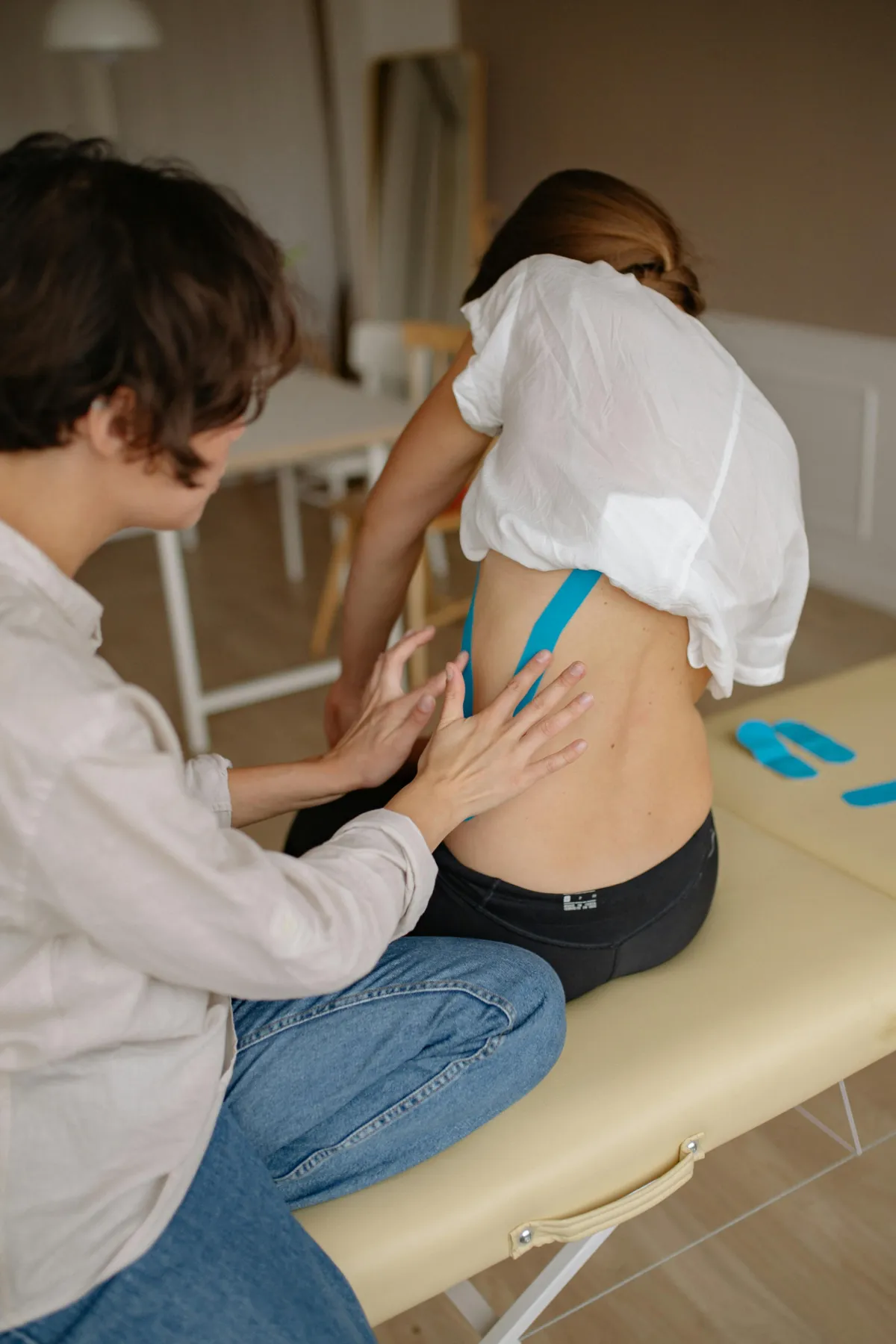
Exercise and back pain physiotherapy advice
Of course, it is advisable to avoid impact sports such as tennis, rugby, horse-riding or combat sports, or even running for example – and concentrate mainly on low-impact aerobic exercises.
Walking, swimming, Pilates or yoga are great choices for exercise because they don’t compress or twist the back. Even better, low-impact exercises can help improve the function of your muscles by:
- Strengthening your muscles
- Stretching your muscles
- Exercising your joints
Don’t hesitate to talk to your physiotherapy specialist about the best activities to try to develop your muscle strength and maintain your flexibility. Pilates is our favourite choice
Stretch and back pain physio tips
In order to prevent and/or relieve back pain, our London back pain physio advises adding a small routine of stretching exercises to your daily routine. There are a number of exercises you can do to reduce general back pain. Most are very simple to do and do not require any special equipment.
If you suffer from acute low back pain, the best thing to do is consult a back pain physiotherapist in London who will advise you on the best stretches to do to maintain your back.
Pay attention to your weight; protect your back from excess pressure
Being overweight can put a lot of strain on your back muscles, so losing weight can be an essential part of your treatment, but it should always be accompanied by strengthening exercise therapy.
Muscular relaxation may be linked to weight gain and a shift in the centre of gravity eur spine, which can have an impact on the arch of your back. Muscles and ligaments are then put under greater strain, leading to back and leg pain.

You can, of course, seek the help of our professional sports physio to help you get back into shape and lose weight healthily and safely.
Protect your posture, your back must be straight
It’s important to set up a good workstation, with a chair that provides good support for the lower back. Try to keep your knees and hips at the same level, get up every half hour to move around a bit and change position frequently.
Our physiotherapy treatment can include lifestyle advice on the best workstation for your back, as well as stretching exercises to do regularly, manual therapy, and we may recommend an exercise program and some advice on health and care excellence.
As far as sleep is concerned, it’s also best practice to sleep on your back with a pillow under your knees, or in a more downward dog two-leg position to avoid arching your back too much.
Avoiding Strain: Key Movements to Protect Your Back Muscles
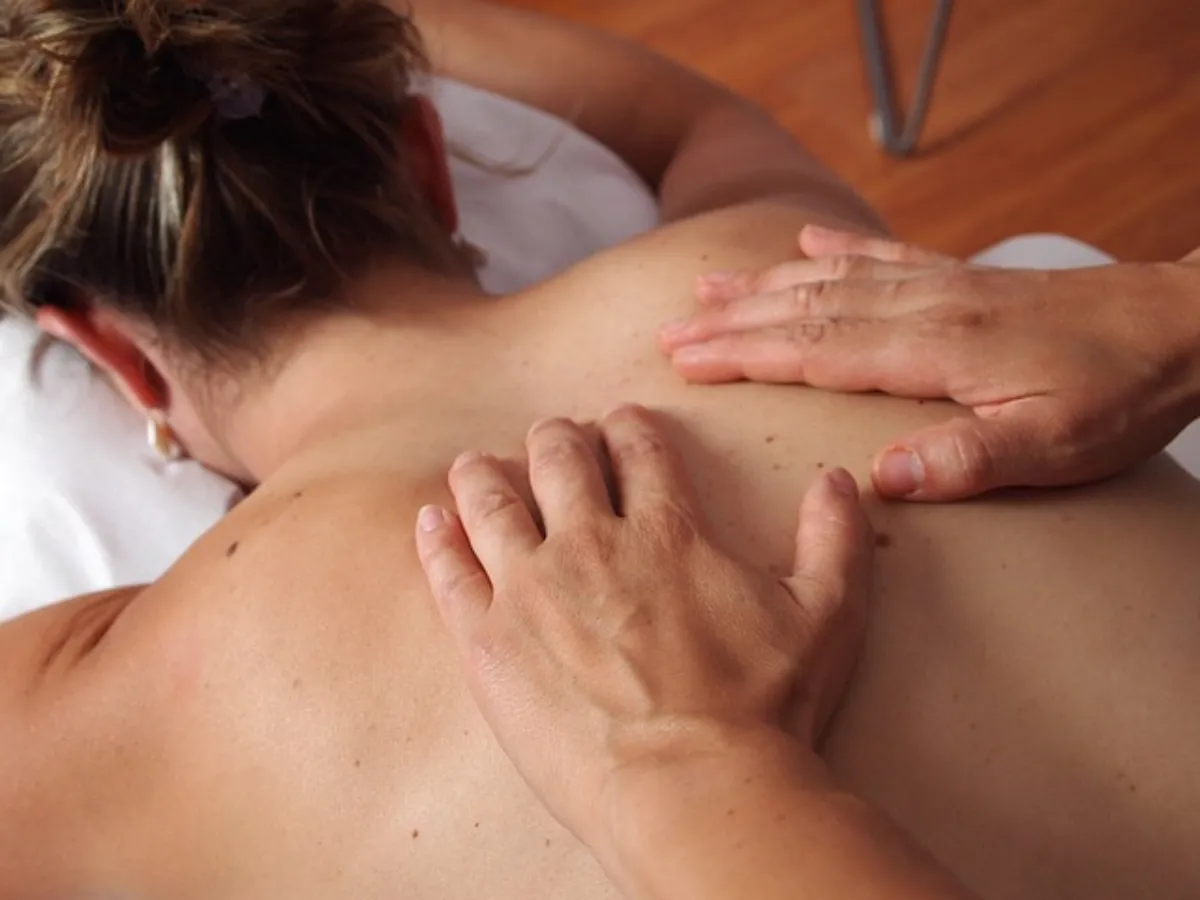
In daily routines, certain movements can unwittingly strain your back muscles, leading to discomfort and potential injury. At Home Rehab Therapists, we underscore the significance of recognising and sidestepping these movements to uphold optimal back health and stave off pain.
Lifting heavy loads while bending forward without bending your legs is a common action that can place undue stress on the muscles of the lower back, heightening the risk of sprains and strains. Similarly, carrying objects with your arms stretched upwards can cause muscle fatigue and discomfort over time, particularly in the upper back and shoulders. Avoiding these movements and maintaining proper alignment during daily tasks can go a long way in safeguarding your back muscles and promoting overall spinal health.
Twisting your back too often is another movement to avoid, as it can strain the muscles and ligaments along the spine. While some degree of spinal rotation is necessary for daily movements, excessive twisting can lead to overuse injuries and exacerbate existing back pain. By being mindful of your movements and avoiding sudden or forceful twisting motions, you can help protect your back muscles from strain and maintain a healthier spine.
Our Expert Physio Tips For Pain Relief:
On a day-to-day basis, you should avoid:
- Lifting heavy loads while bending forward, without bending your legs. If you have to lift, keep your back straight and only bend at the knees, to make sure you hold the load close to your body
- Carrying something with your arms stretched upwards
- Leaning forward with your legs stretched out
- Twisting your back too often
- Wearing high heels regularly
If you apply these physio tips now, your back will thank you!
Managing Stress: A Crucial Component of Back Pain Management
Stress is an ever-present factor in modern life, impacting both mental well-being and physical health. When it comes to back pain, pain research suggests that stress plays a significant role in exacerbating discomfort and hindering recovery. At Home Rehab Therapists, we understand the intricate connection between stress and back pain and the importance of addressing both aspects for comprehensive pain management and improved quality of life.
Chronic stress manifests in various ways, including increased muscle tension and heightened pain sensitivity, which can worsen existing back pain or contribute to its development. Additionally, stress-induced muscle tension can lead to postural issues and spinal misalignments, further exacerbating discomfort and limiting mobility. By recognising the impact of stress on back health, individuals can take proactive steps to manage stress levels and minimise its detrimental effects.
Our approach to stress management encompasses a holistic strategy that addresses both the physical and psychological aspects of stress. Through relaxation techniques, manual therapy,, mindfulness practices, an exercise program, and stress-reduction strategies, our physiotherapists empower individuals to cultivate resilience and enhance coping mechanisms. By fostering a sense of calm and equanimity, individuals can reduce muscle tension, alleviate pain, and regain control over their well-being.
At Home Rehab Therapists, we believe in empowering individuals to take charge of their health and well-being. Our team of experienced physiotherapists is dedicated to providing personalised care tailored to your unique needs and circumstances. By addressing stress as a key component of back pain management, we can help you achieve long-lasting relief and regain the freedom to live life on your terms.
Back Pain Physiotherapy
Seeking Professional Help: When Back Pain Persists
If you find yourself grappling with persistent back pain that refuses to subside, it’s time to enlist the expertise of a physiotherapist. While some cases of back pain may resolve on their own with rest and self-care, persistent or worsening symptoms often indicate an underlying issue that requires professional intervention.
Ignoring symptoms can lead to medical conditions that really affect your spine health. NHS treatment can be awfully slow, and waiting a few weeks will not reduce pain.
When low back pain lingers despite your best efforts at home remedies and physical therapy, seeking the help of a physiotherapist can provide valuable insights and interventions to address the root cause of your discomfort. Our skilled physiotherapists conduct thorough assessments to identify contributing factors such as muscle imbalances, poor posture, or biomechanical issues that may be exacerbating your low back pain.
By addressing these underlying issues through targeted exercises, manual therapy, physical therapy techniques, and lifestyle modifications to encourage best clinical and best practice guidelines, we can help you regain mobility, alleviate pain, and prevent future recurrences.
When should I worry about back pain?
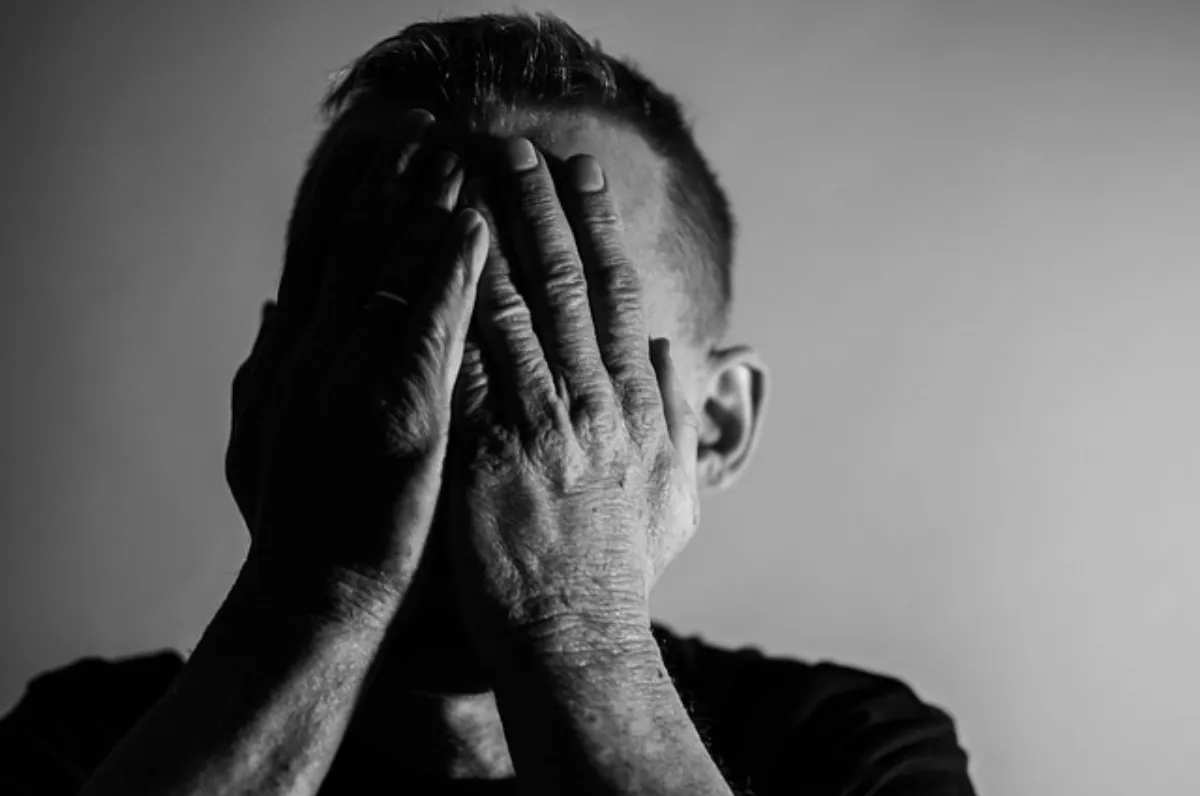
When your body is sending you key messages, you need to know how to listen. Here are back pains and accompanying symptoms that should not be ignored:
- Back pain with loss of bladder control: if your back pain is accompanied by an inability to control your bladder or bowels, you first must go to A&E.
- Back pain and fever: when combined with a fever, back pain can hide something more serious, such as an infection
- Backache accompanied by leg pain: pain radiating from the buttocks down the leg, accompanied by numbness, tingling or weakness in the leg, is a sign that a nerve or group of nerves has been pinched. The cause may be a bone spur (a bony growth around a joint) or stenosis (a slow narrowing of the spinal canal).
- Pain in the back of the neck: pain in the upper back accompanied by tingling or weakness in the hands, and/or lack of balance when walking, may be due to a condition in the spinal cord.
Who to see for back pain?
When it comes to seeking relief from back pain, knowing who to turn to for expert guidance and treatment is crucial. At Home Rehab Therapists, we understand the debilitating effects of back pain and the importance of seeking professional help.
Our team of highly skilled physiotherapists specialises in addressing a wide range of back pain conditions, from acute lumbar strains to chronic disc degeneration. With our comprehensive approach to care, we aim to not only alleviate your immediate symptoms but also address the underlying causes of your back pain to promote long-term healing and recovery. This primary care includes education on exercise techniques and prevention measures.
Our team brings years of experience and expertise in back pain management, backed by recent national and clinical practice guideline guidelines and evidence-based treatments. Whether you’re dealing with acute discomfort or seeking ongoing support for a chronic condition, we are here to provide personalised care tailored to your unique needs.
Don’t let back pain hold you back from living life to the fullest. Contact us today to schedule an appointment and take the first step towards a pain-free future.
Our back physiotherapists will assess you to gain a thorough understanding of your condition, and offer you a personalised treatment plan tailored to your needs.
Physiotherapy may include treatment methods such as:
- Massages to relax muscles and relieve acute low back pain
- Back Muscle stretching to relieve pressure on the spine
- Tension release techniques
- Back Muscle-strengthening exercises
- Video exercises
- Advice on the correct movements to do and those to avoid, as well as on the correct posture to adopt
These methods form the basis of a complete program of back pain maintenance exercises to be practiced at home between each back physiotherapy appointment. The aim of aerobic exercises and physio rehabilitation is to make you independent and to correct your back pain with lasting results.